
 E-Paper



Government stands firm on Hindi names for bills to overhaul criminal laws
During a meeting of the parliamentary panel on home affairs, Union home secretary Ajay Bhalla took the MPs through various clauses of the three bills

 Prefer HTon Google


The Union government stood firm on retaining the Hindi names of the three bills slated to replace the Indian Penal Code (IPC), the Criminal Procedure Code (CrPC), and the Evidence Act, telling a parliamentary panel on Friday that the names of the bills are written using English, which, it said, is the only requirement of the Constitution.
Also read: Government moves to overhaul British-era criminal laws
Union home secretary Ajay Bhalla addressed the objections raised by some Opposition MPs, including DMK’s NR Elango, Dayanidhi Maran and Congress’s Digvijaya Singh, against the Hindi titles of the bills. The MPs referred to Article 348 of the Constitution that mandates the use of English for names of all the laws.
The three bills are named Bharatiya Nyaya Sanhita (to replace the Indian Penal Code), the Bharatiya Nagarik Suraksha Sanhita (to replace the Code of Criminal Procedure) and the Bharatiya Sakshya Bill (to replace the Indian Evidence Act).
Bhalla, the people cited above said, justified the use of Hindi or Sanskrit names for the bills, emphasising that there is no violation of any constitutional provision since the bills and their authoritative texts are written in English. He told the members of the panel that as Article 348 provided for the use of English language in the authoritative texts of all Bills, Acts and Ordinances, there was no breach if the bills were written in English. The Union home secretary, the people in the know of the matter said, conveyed the Centre’s avowal to keep the Hindi names.
This prompted DMP MP and senior lawyer Elango to ask Bhalla if the government would consider naming the bills in Tamil and write them in English, the people said.
DMK MP Maran, a day ago, sent a letter to the panel chairman Brij Lal objecting to the Hindi titles of the bills, saying they violate the unitary nature of the country where the citizens speak a variety of languages other than Hindi.
On the second day of the meeting of the parliamentary panel on home affairs, Bhalla took the MPs through various clauses of the three bills and explained the proposed changes. As the home secretary went on with his presentation, several MPs favoured extensive discussions across the country before the final report. Some of the clauses of the Bharatiya Nyaya Sanhita were also deliberated upon by the panel and Bhalla assured the members that their suggestions are duly being taken note of.
Bhalla’s presentation will continue on Saturday. Members are likely to get two days next month to seek clarifications from the home secretary. Some of the other members of the panel include Derek O Brien, Dilip Ghosh and Rakesh Sinha.
Also read: Opposition MPs seek reason to bring three new bills to overhaul criminal laws
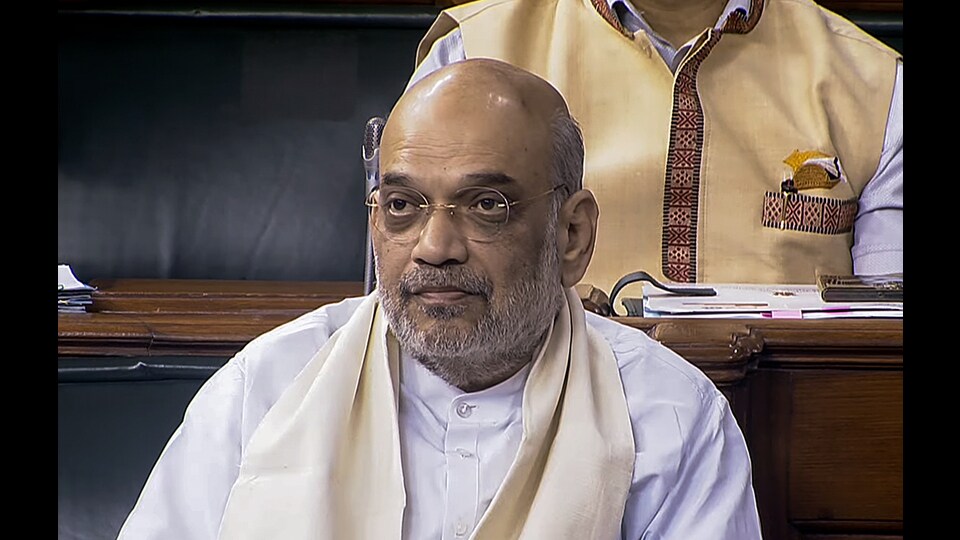
The three bills, aimed at revamping the future landscape of criminal law in the country, were introduced by Union home minister Amit Shah in Parliament on August 11 to replace the British-era IPC, CrPC and the Evidence Act, an overhaul that he said would “transform our criminal justice system”.
The proposed laws include key changes to deal with offences of terrorism, crimes against women, mob lynching and crime against the State, besides rehauling the method of investigation and providing for timebound probe and trial.



