
 E-Paper



US probe into digital services taxes may trigger another trade tussle with India
The trade investigation has been launched under Section 301 of the Trade Act, 1974, the same provision that was used by the Trump administration to slap an additional 25% tariff on $50 billion worth of imports from China in March-April 2018.


The United States on Tuesday started an investigation into taxes on digital services already in effect or being considered in other countries and their impact on American businesses, which could lead to retaliatory trade actions, opening up potentially another front in India’s persisting trade differences with the US.
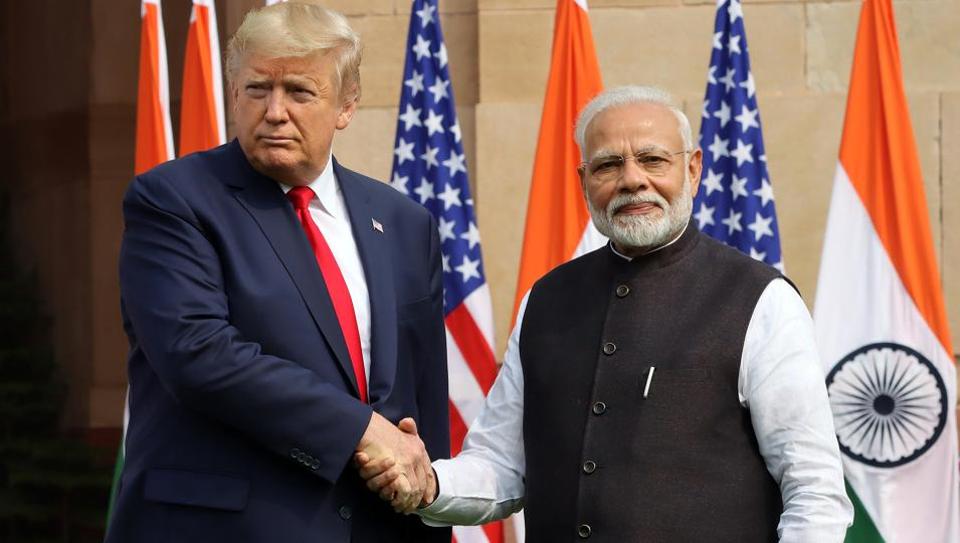
The Modi government imposed a new tax of 2% in April on digital services rendered in India against payments collected abroad. The levy is restricted to non-resident companies and is expected to chiefly affect American digital services giants Google, Facebook, Apple and Amazon.
Other countries that have already levied this tax or are considering them are Austria, Brazil, the Czech Republic, the European Union, Indonesia, Italy, Spain, Turkey, and the United Kingdom. Most of them are close allies of the United States.
“President Trump is concerned that many of our trading partners are adopting tax schemes designed to unfairly target our companies,” said Robert Lighthizer, the US trade representative and America’s top trade negotiator, in a statement announcing the investigation. “We are prepared to take all appropriate action to defend our businesses and workers against any such discrimination.”
The trade investigation has been launched under Section 301 of the Trade Act, 1974, the same provision that was used by the Trump administration to slap an additional 25% tariff on $50 billion worth of imports from China in March-April 2018, triggering a trade war between the world’s two largest economies.
Any potential retaliatory action against India would add to a growing list of trade differences that the two countries have struggled to reconcile despite unprecedented pressure mounted in recent years by President Donald Trump through public and private exhortation. And ended India’s special trade status last summer, and, among other things, he has taken to calling India “Tariff King”.
Negotiations had reached a feverish pitch in the run up to his February visit to India, but collapsed in the final days. The two sides have since decided to work on a smaller initial deal, which, one official indicated is “expected in a few weeks”, to be followed by a larger deal at an indeterminate date.
The United States has pushed India for greater access to its market in dairy and medical devices and India wants the restoration of special benefits under a US preferential trade system, which allowed India to export around $6.5 billion worth of good free of import duty. There are other issues on the table as well, such as new e-commerce rules.
Trade tensions have long been seen by both sides as the chief drag on a relationship that has grown stronger in recent years, with bipartisan support on either side.
The Section 301 investigation will include, typically, a public hearing based on written objections and comments, which, according to a simultaneous announcement in the Federal Register, the US government’s gazette, can be submitted till July 15.
“In March 2020, India adopted a 2% DST,” said the Federal Register announcement about India. “The tax applies only to non- resident companies, and covers online sales of goods and services to, or aimed at, persons in India. The tax applies only to companies with annual revenues in excess of approximately Rs. 20 million (approximately US$ $267,000). The tax went into effect on April 1, 2020.”
The Section 301 investigation is aimed at determining whether DSTs whether US companies are being discriminated against, “retroactivity; and (were) possibly unreasonable tax policy”. The Federal Register added that on tax policy, the investigation will seek to determine if, among other things, the intention it of “penalizing particular technology companies for their commercial success”.


