
 E-Paper



Covid-19 vaccination drive moves at a slow pace in populous states
According to the health ministry, 2.5 % of India’s people have got both doses of vaccination while 9.3% have got a single jab as of May 16, 121 days after the drive started on January 16.

 Prefer HTon Google


Less than 2% of Uttar Pradesh, Madhya Pradesh, Bihar and Jharkhand’s population -- the states account for one-third of the country’s people -- has been fully vaccinated, even as several smaller states such as Tripura, Sikkim and Arunachal Pradesh have done much better, health ministry data shows.
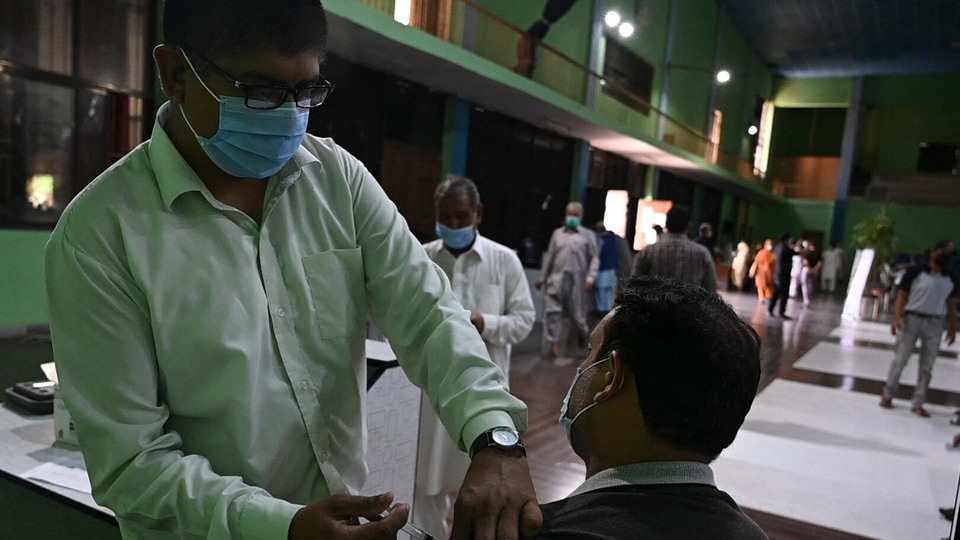
According to the health ministry, 2.5 % of India’s people have got both doses of vaccination while 9.3% have got a single jab as of May 16, 121 days after the drive started on January 16.
Till May 16, the health ministry’s data showed, 98.8 million people have got a single dose and 41.7 million both doses of the Covid vaccine.
“This data shows the enormous task ahead for us is to completely vaccinate 97% of the remaining population. We still need 2.4 billion doses to vaccinate the unvaccinated,” said Jamesh Wilson, a Kerala-based independent researcher, who juxtaposed the vaccination data with projected population figures for states for the year 2021.
Also Read | Covid-19 vaccine: How Centre is scaling up Covaxin production
Several state governments had slowed down vaccination since the last week of April due to short supply of vaccines from the two Indian manufacturers – Serum Institute of India and Bharat Biotech – and as many as 12 states have or are in the process of floating global tenders for vaccines. However, officials in most states don’t expect to get vaccines from international manufacturers in the next three to four months.
Some states such as Maharashtra, Karnataka and Rajasthan had to suspend vaccination of the 18-44 age group as enough vaccine were not available. States such as Punjab and Andhra Pradesh want the Centre to procure all vaccines and distribute them to the state rather than individual states trying to buying them from vaccine manufacturers in India and abroad.
Niti Aayog member health VK Paul on Sunday told news agency PTI that the government plans to ramp up Covaxin’s per month production from the present 15 million doses to 100 million. The ministry of science and technology had earlier said Bharat Biotech will start manufacturing 10 crore doses per month by September. “Financial support is being provided as grant from GoI to the tune of approx ₹65 crore to Bharat Biotech’s new Bangalore facility which is being repurposed to increase the capacity of vaccine production,” the ministry said in a statement on Friday.
The health ministry’s data showed that the progress of vaccination was abysmally low in Bihar, UP and Madhya Pradesh, which account for 32.2% of India’s population. These states combined have so far vaccinated only 1.51% of their population with both doses. Only 5.91% people in these states have been vaccinated with a single dose.
Another five states --- Jharkhand, Punjab, Assam, Tamil Nadu and Telangana --- having 16% of the country’s population of India having given both doses to 2.32% of population and a single dose to 8.4% of population. “If we take the above mentioned 8 states together, they represent 48.2% of India’s population and only 1.78% of their population has got both doses. Less than 10% of the population has got a single dose,” Wilson said.
Smaller population states such as Ladakh and Tripura have vaccinated more than 12% of their population with both doses and 29.05% and 23.13% of their population, respectively, with a single dose. Sikkim and Lakshadweep vaccinated 8.8% and 9.54% of their population, respectively, with both doses, the data shows.
HT reported on Sunday that most of the vaccination in India has taken place in urban areas with large swathes of the hinterland yet to be brought under coverage. As per data on the Co-WIN app, doses administered in urban areas were 1.7 times of those in villages, where around 60% of the country’s population lives.


