
 E-Paper



'We got really lucky with Omicron because...': Virologist Gagandeep Kang
Gagandeep Kang said, “We wound up with the virus while it was capable of immune evasion of a level we have never seen before.”

 Prefer HTon Google


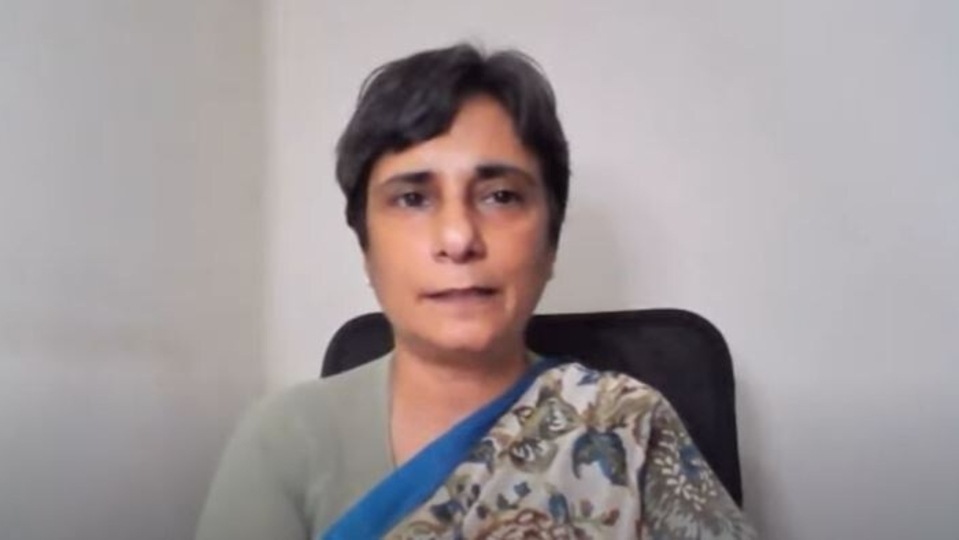
Virologist Gagandeep Kang on Saturday said though Omicron has the potential to get transmitted at a rate never seen before, it did not lead to severity like Delta did because of a phenomenon called epistasis where the background of mutations influences how genes actually work. Talking in a webinar 'Omicron: Enigma or End?', Dr Kang said, "When Omicron was first sequenced, there was a lot of concerns over Omicron because of the number of mutations and also because we did not understand how a virus with so many mutations could have evaded surveillance around the globe. There are multiple theories about how Omicron came."
‘Risk persists despite plateauing Covid-19 cases in India’: WHO
Omicron, the variant first detected in South Africa in November 2021, drove a fresh surge of the pandemic across the world. Omicron was a cause of worry because it seemed to have all the most dangerous mutations seen in previous variants. "We got really lucky with Omicron because of a phenomenon known as epistasis where the background of mutations influences how genes actually work. We wound up with the virus while it was capable of immune evasion of a level we have never seen before. But it did not result in the severity that we saw before. That's not to say nobody got sick but the proportion was less," Dr Kang said.
"When people talk about protection from contracting Covid, they must understand that it is nearly impossible for a mucosal pathogen. We have seen this flu, influenza. We are relearning those same things with SARS-CoV-2," Dr Kang said.
IIT professor Maninder Agarwal, who has been tracking the movement of the waves, said the peak of the third wave in India is already behind us. Now the wave will go down. Uttar Pradesh, Bihar, Maharashtra, Gujarat, Chhattisgarh, Jharkhand, West Bengal have already peaked. Some southern states have not yet peaked. “The projection was very difficult as there was a sudden increase in the number of cases in the first week. We did not have adequate data required for projection,” Prof Agarwal said.


