
 E-Paper



'Why ban on firecrackers was not followed?': SC to Delhi government, police
The Supreme Court questioned the Delhi government and police on why the ban on firecrackers during Diwali was not followed.

 Prefer HTon Google


The Supreme Court on Monday questioned the Delhi government and police on why the ban on firecrackers during Diwali was not followed, amid the severe air pollution issue persisting in the national capital. Further, the apex court sought a response from the AAP government and Delhi police over the flouting of the firecracker ban in the capital.
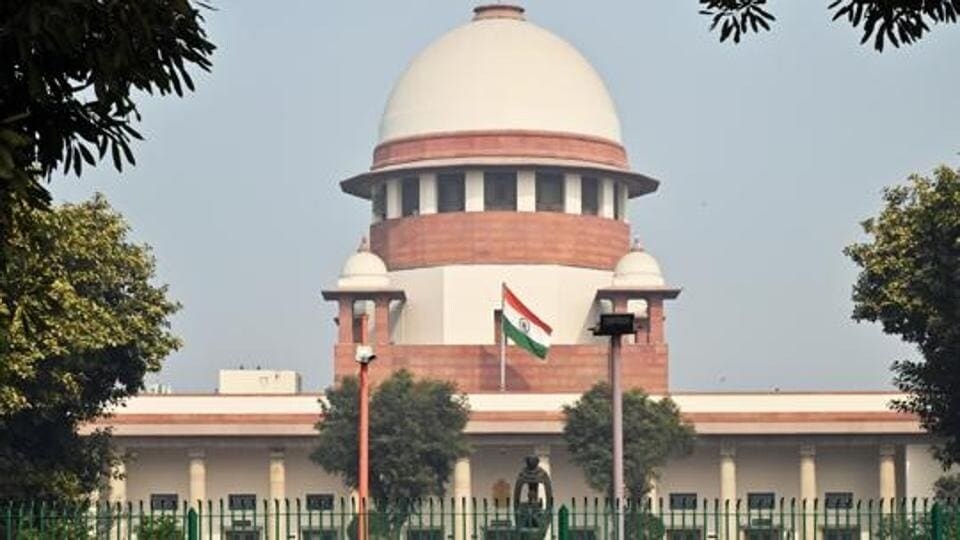
The court said that a chaotic situation is created by crackers if not controlled, and asked the government and capital police to explain what measures they are taking to prevent such a failure in the future.
The Supreme Court bench said, “Some strict action, such as sealing of premises, needed against those violating firecrackers ban in Delhi.” It added, “We need to do something so that court orders on firecrackers ban are not violated during Diwali next year.”
The court also asked the state to consider having a perpetual ban on crackers in Delhi, without restricting it to festival time. The court also sought responses from Punjab and Haryana to explain how farm fires during Diwali increased, as per a report by Centre for Science and Environment.
Read more: Need enforcement of Delhi's firecracker ban
The Supreme Court directed that all responses be filed in a week, and posted the hearing of the matter on November 14.
This comes after the firecracker ban in Delhi during Diwali was openly flouted, and the national capital saw a thick grey layer of smog on the very next day, with the air quality falling in the severe category in many areas.
On November 1, a day after Diwali was celebrated across the capital, the air quality index of Delhi slipped into the ‘severe’ category, according to SAFAR. In many areas, levels of deadly particulate matter reached seven times the World Health Organization's safety limit.
The air pollution crisis in Delhi deepens every year after October when the burning of crop residue in neighboring states coincides with cooler temperatures that trap deadly smoke. That smoke travels to New Delhi, leading to a surge in pollution and worsening the public health crisis.


