
 E-Paper



Why IndiGo continues to sell tickets despite flight cancellations
The situation improved slightly on Saturday but remained strained, with more than 440 flights cancelled nationwide.


With over 500 flights cancelled across major airports, including Delhi, Mumbai and Bengaluru, IndiGo continues to sell tickets, leaving passengers confused about how bookings remain open amid extensive disruptions. The situation improved slightly on Saturday but remained strained, with government issuing fresh directives on refunds.
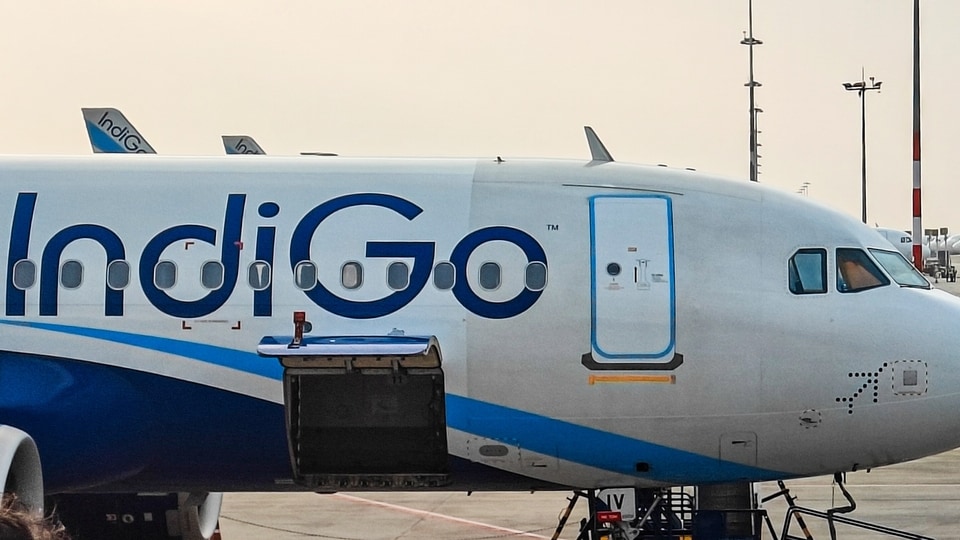
Why is IndiGo continuing to sell tickets?
The reason behind keeping the bookings open is simple: the airline has not suspended its full network. IndiGo continues to operate the majority of its more than 2,200 domestic and international flights.
The disruptions have mainly affected specific routes, airports, and dates. Friday was the worst day so far, with over 1,000 flights cancelled. All domestic departures from Delhi were grounded, causing major inconvenience to travellers.
Also read| Delhi, Bengaluru, Mumbai: City-wise list of 500+ cancelled IndiGo flights today
Despite the ongoing issues, IndiGo’s wider schedule remains functional, which is why ticket sales have not been stopped. The airline has not reduced operations to a level that would require halting bookings entirely.
Why are IndiGo flights being cancelled across India?
IndiGo has attributed the chaos to a “multitude of unforeseen operational challenges,” including minor technical glitches, winter schedule changes, congestion, and weather conditions.
However, aviation insiders and regulators point to a major underlying cause: the implementation of new Flight Duty Time Limitations (FDTL) — stricter rest and duty-hour rules designed to prevent pilot fatigue.
Also read| Why are IndiGo flights getting cancelled across India? Airlines' crisis explained
These rules forced a large number of IndiGo’s pilots into mandatory rest just as the airline increased its winter flight schedule on 26 October.
The situation worsened after an Airbus A320 software advisory triggered weekend delays, pushing flights past midnight and creating a cascade of cancellations once the new rest requirements came into effect.
DGCA rolls back key rule
In a significant move on Friday, the Directorate General of Civil Aviation (DGCA) withdrew a stringent provision in the new FDTL rules that stated “no leave shall be substituted for weekly rest.” The regulator said the decision was made in view of the ongoing operational disruptions and after multiple representations from airlines seeking relief. The change has taken effect immediately, providing some breathing room for carriers attempting to re-roster crew and restore services.
How many flights are affected today?
IndiGo’s nationwide disruption improved slightly but remained severe on Saturday, with more than 500 flights cancelled amid an escalating staffing and operations crisis that has overwhelmed major airports.
Delhi’s Indira Gandhi International Airport, Mumbai’s Chhatrapati Shivaji Maharaj International Airport, and Bengaluru’s Kempegowda International Airport reported some of the highest levels of disruption, with passengers facing long queues, extended delays, and limited information.
When will it improve?
IndiGo has sought time until 10 February 2026 to fully stabilise operations and has begun cutting flights over the coming days to contain the fallout. The airline has issued repeated apologies and advised passengers to check their flight status before travelling, carry essential supplies, and consider flexible or refundable bookings.
As pressure mounts, pilot groups have urged the DGCA to approve airline schedules only after carriers demonstrate adequate crew strength — warning that safety-driven fatigue rules must not be compromised by commercial demands.
IndiGo, which carried 118 million passengers in the last financial year, is now confronting a challenging reality: high-frequency, low-cost expansion is incompatible with stricter fatigue-control norms unless staffing levels rise proportionately.


