
 E-Paper



Why Punjab, Haryana are blanketed in fog while Delhi is clear
Visibility dropped to less than 50 metres in parts of Punjab and Haryana last week, disrupting air, rail and road traffic. A spell of fog that enveloped the national capital around New Year’s faded and is likely to dissipate further next week, bringing down pollution levels.


Punjab and Haryana has been in the grip of a cold wave with the mercury dipping below normal to dense fog for the past week, while the national capital region (NCR) of Delhi has seen a respite due to increase in wind speed and lower humidity.
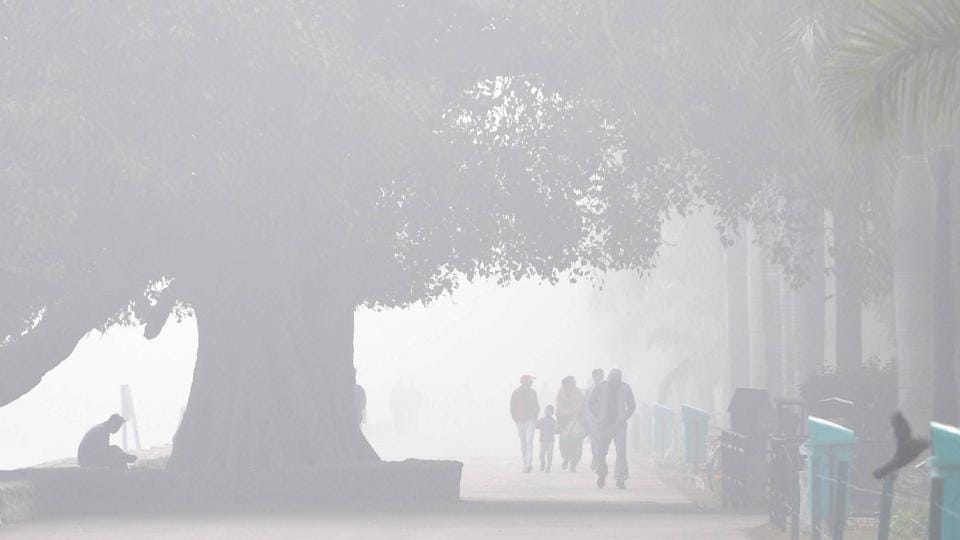
Visibility dropped to less than 50 metres in parts of Punjab and Haryana last week, disrupting air, rail and road traffic. A spell of fog that enveloped the national capital around New Year’s faded and is likely to dissipate further next week, bringing down pollution levels.
Fog formation traps pollutants near the surface level, leading to poor air quality.
“Fog is normal at this time of the year, it was intense because of a drop in temperatures around New Year’s in Delhi NCR,” according to Mahesh Palawat, chief meteorologist with Skymet Weather, a private forecasting agency.
A western disturbance, a system of low pressure that moves from the west to the east, bringing moisture from Eurasian water bodies, has influenced weather in Punjab Haryana over the week, bringing a chill in temperature conducive to fog formation.
Delhi remained outside the influence of the western disturbance. Jammu and Kashmir and Himachal Pradesh, are also reeling under a severe cold wave.
The cold wave conditions are likely to persist in Punjab, Haryana, Rajasthan and southwest Uttar Pradesh till January 10. From Thursday, the minimum temperatures are likely to rise, according to the Indian Meteorological Department (IMD). Kuldeep Srivastava, a scientist with the IMD, said that increasing wind speeds are preventing the formation of dense fog in the later hours of the morning. “The fog is lifting earlier these days,” he said.


