
 E-Paper



Election Commission to announce Lok Sabha polls schedule: Will ECI trim the number of phases?
Prime Minister Narendra Modi has communicated to his ministers that governance and decision making does not stop during elections

 Prefer HTon Google


The 2019 general elections were held in seven phases from April 11 to May 19 with the results for members of the 17th Lok Sabha declared on May 23, 2019.
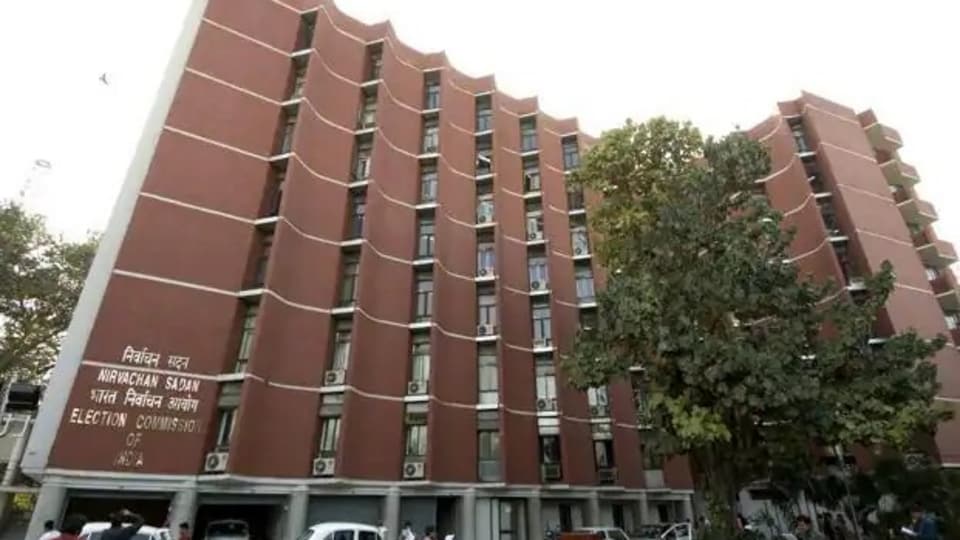
Today, the Election Commission is scheduled to announce general elections to elect members for the 18th Lok Sabha. The million dollar question is whether the EC will reduce the number of phases of polling or continue with a similar number of phases as in 2019.
While state police and paramilitary forces are required to protect the electorate from violence and electoral coercion, the internal security environment in the country is much better than 2019 with Jammu and Kashmir coming to terms with abrogation of Article 370 and Maoist insurgency limited to Bastar region in Chhattisgarh.
Lok Sabha elections 2024 dates announcement LIVE coverage
Apart from political violence in West Bengal and ethnic tensions among Kukuis and Meiteis in Manipur, the internal security situation is largely stable albeit religious radicalisation is high among the minority communities.
With terror incidents going down in the hinterland apart from terror strikes in Rajouri-Poonch sector since 2019, the EC has an opportunity to reduce the number of phases rather than a month long tedious exercise costing a humongous amount of money, men, women and material.
But there is a caveat to this presumption as forces need time to move from one end of the country to the other and EC rather play it safe than reduce the number of phases as political violence and terror strikes are a distinct possibility during the elections.
In the age of deep fake AI, India’s adversaries including big powers could also use this opportunity to influence the electorate towards the party they think could further their cause.
Then there are others like the Pakistani deep state who could activate their sleeper cells to engineer violence or cyberattacks during elections. Since 2019, India has seen consistent cyberattacks originating from China and East European countries but the focus has been to cripple governance in India.
With Prime Minister Narendra Modi communicating to his Ministers that governance and decision making does not stop during elections, the present government will take decisions till the last day of its term. Will the EC help in cutting down the number of election phases for the country to go on about its business rather than remain mired in election and politics for a whole month ?


