
 E-Paper



World Organ Donation Day: A brief history
One person can save up to eight lives from chronic illness by pledging to donate their heart, kidney, pancreas, lungs, liver, intestines, hands, face, tissues, bone marrow, and stem cells.

 Prefer HTon Google


August 13 of every year is observed as World Organ Donation Day aimed at raising awareness about the importance of organ donation and encourage people to take a pledge for the same.
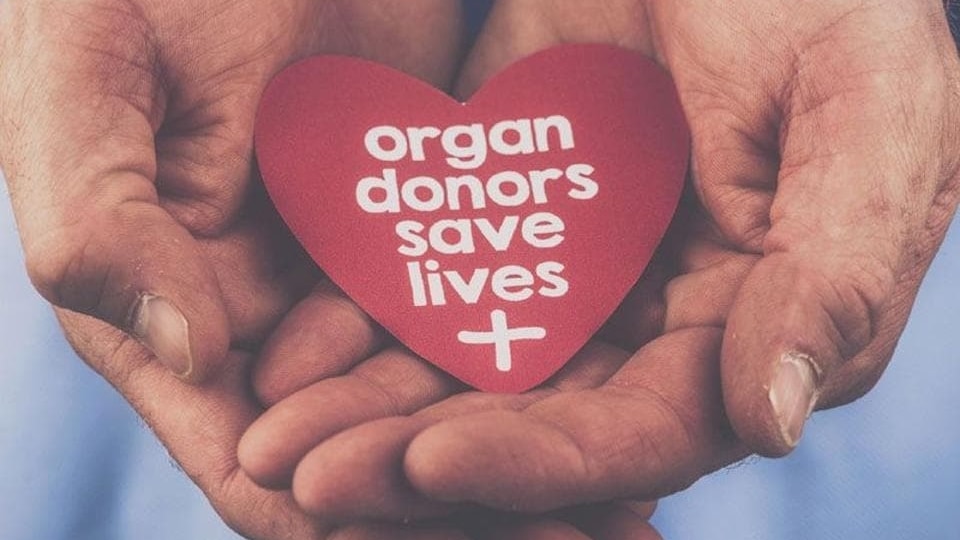
One person can save up to eight lives from chronic illness by pledging to donate their heart, kidney, pancreas, lungs, liver, intestines, hands, face, tissues, bone marrow, and stem cells. Hence the day strives to help people in realising that volunteering to donate their organs after death can be life-changing for many.
People of any age can donate their organs to a person in need. In case a donor is under the age of 18 years, they are required to have the consent of parents or adult guardians to register themselves as an organ donor.
History of organ donation
The first-ever organ donation was done in 1954 when Ronald Lee Herrick donated a kidney to his identical twin brother. Doctor Joseph Murray conducted the procedure for which he has also won the Nobel Prize in Physiology or Medicine in 1990 for advances in organ transplantation.
In 2015, a newborn baby became the youngest ever organ donor after he donated his kidneys to an adult with renal failure. The boy just lived for just 100 minutes after being born.
The oldest known donor has been in Scotland where a 107-year-old woman donated cornea after her death in 2016. The oldest known organ donor for an internal organ was a 95-year-old West Virginia man, who donated his liver after he died.
Organ donation in India
India has the Transplantation of Human Organs and Tissues Act to regulate organ donation in the country. The law allows both deceased and living people to donate their organs. According to a World Health Organization, around 0.01 per cent of people in India donate their organs after death.


