E-Paper



India to release guidelines in 48 hrs as WHO declares Zika emergency
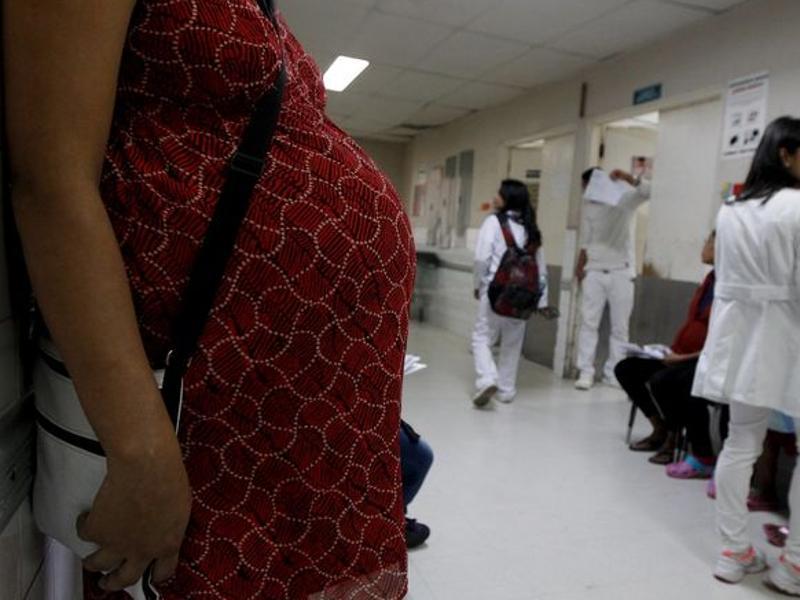
India said on Tuesday it is readying travel guidelines for pregnant women passengers coming from and going to the Zika affected countries as the World Health Organization (WHO) declared an international emergency over the mosquito-borne virus


India said on Tuesday it is readying travel guidelines for pregnant women passengers coming from and going to the Zika affected countries as the World Health Organization (WHO) declared an international emergency over the mosquito-borne virus.
“We were waiting for the WHO meet on Zika virus to take place and based on the outcome, we will be issuing detailed guidelines in next 48 hours,” Union health minister JP Nadda said.
“We have discussed the guidelines in detail,” he added.
On Friday, India had constituted a technical committee to formulate travel guidelines and a joint monitoring committee to review the global situation on the spread of the virus.
Read more: Zika virus: US adds four more countries to travel alert list
The WHO declared an international emergency on Monday over the explosive spread of the Zika virus saying it is an “extraordinary event.”
“After a review of the evidence, the committee advised that the clusters of microcephaly and other neurological complications constitute an extraordinary event and public health threat to other parts of the world,” WHO director-general Dr Margaret Chan said.
“If indeed, the scientific linkage between Zika and microcephaly is established, can you imagine if we do not do all this work now and wait until the scientific evidence comes out?” Chan said. “Then people will say, ‘Why didn’t you take action?”
Read more: Zika virus: Joy of pregnancy gives way to fear in Brazil
WHO estimates there could be up to four million cases of Zika in the Americas in the next year, but no recommendations were made to restrict travel or trade.
“It is important to understand, there are several measures pregnant women can take,” Chan said. “If you can delay travel and it does not affect your other family commitments, it is something to consider.”
“If they need to travel, they can get advice from their physician and take personal protective measures, like wearing long sleeves and shirts and pants and using mosquito repellent.”
The US Centers for Disease Control has also advised pregnant women to postpone visits to Brazil and other countries in the region with Zika outbreaks.
The last time the WHO declared a public health emergency was for the Ebola outbreak in Africa that killed more than 11,000 people.
Though Zika virus was discovered in 1947 in Africa and was even isolated and documented in India in 1952-53, it wasn’t believed to cause any serious health conditions. However, recently it has been suspected to be causing birth defects in babies that has led the world to devise measures to control its spread.
The disease has no cure or vaccine.
(With agnecy inputs)