E-Paper



Locals earned little from Rio Tinto’s diamond project
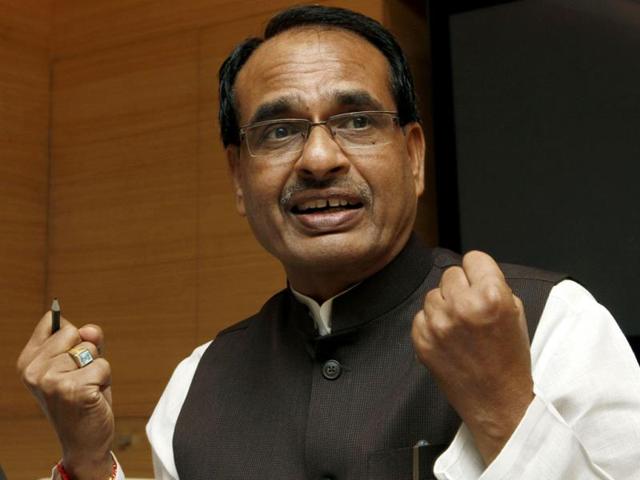
MP chief minister Shivraj Singh Chouhan promised 1,000 jobs and a Rs. 2,200 crore investment in his letter to PM while lobbying for multinational Rio Tinto, but HT’s visit to ground zero in Chhattarpur district revealed that the locals have earned little from one of the richest diamond reserves in the country.


MP chief minister Shivraj Singh Chouhan promised 1,000 jobs and a Rs. 2,200 crore investment in his letter to Prime Minister Manmohan Singh while lobbying for multinational Rio Tinto, but HT’s visit to ground zero in Chhattarpur district revealed that the locals have earned little from one of the richest diamond reserves in the country.
The poverty-stricken Bakswaha area in Chhatarapur, where drilling has begun, is one of most the backward areas in the state. Locals fear Rio Tinto will reap huge profits out of this diamond mine and their fears are not unfounded. Tinto’s 2011 Bunder sustainability report says the project employed approximately 420 people that year, 80% of whom were from MP.
But the company doesn’t mention how many of these are temporary workers, recruited on an ad hoc basis by a sub-contracting firm, or what benefits beyond a daily wage are provided to them.
At present around 300 locals are employed on contract, according to temporary workers and Rio Tinto officials. Crucially, workdays have been reduced by half and they have no guarantee of regular income.
“Drilling operations stopped in September 2011 and there is no work at present in the processing plant. During workdays we do jobs like painting, cleaning and gardening,” said Santosh Singh, who works at the processing plant. Rio Tinto director (commercial and external affairs) Col Kamal Kant attributed the cutting of trees to “rivalry between two dominant villager groups”.
Depleting water levels and emission concerns are also adding to environmental worries. As the mine is located in the heart of a forest, locals and environmentalists are worried that mining in the area may threaten the habitat of wild animals.
In response to HT’s query, Rio Tinto stated, “Through the Bunder bio diversity Offset programme, Rio Tinto is committed to minimising the adverse impact of mining activities on the local bio-diversity and habitats.”
But Tinto has been drawn into a high court battle due to charges of illegal mining. Environmentalist Neelesh Dubey filed public interest litigation (PIL) in 2011, accusing them of breaching environmental laws. The Madhya Pradesh high court has asked the state and central governments to respond to the allegations.
Tinto denied allegations of illegality, saying, “The small number of rough diamonds that were extracted during exploration and prospecting occurred after due permissions were obtained from the Federal and State Governments of MP and also after payment of the royalties to the authorities.”
The chief minister lobbied hard for a project that is said to be seven times richer than the Panna diamond mine, the only operating diamond mine in India, but many irritants remain. Rio Tinto, which is still awaiting clearance from the ministry of environment and forests, will also have to clear the high court hurdle before it can start digging for diamonds.