E-Paper



India, ASEAN must come together to fight global terror: PM Modi
Prime Minister Narendra Modi on Saturday sought the backing of ASEAN nations for the adoption of a Comprehensive Convention on International Terrorism mooted by India as part of measures to step up the fight against global terror.

 Prefer HTon Google


Prime Minister Narendra Modi on Saturday sought the backing of ASEAN nations for the adoption of a global convention on terrorism mooted by India as part of measures to step up the fight against global terror.
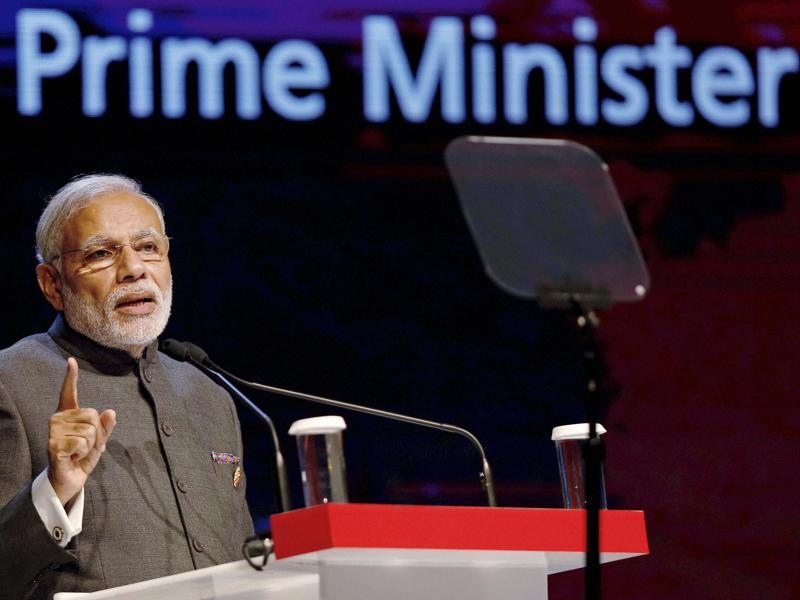
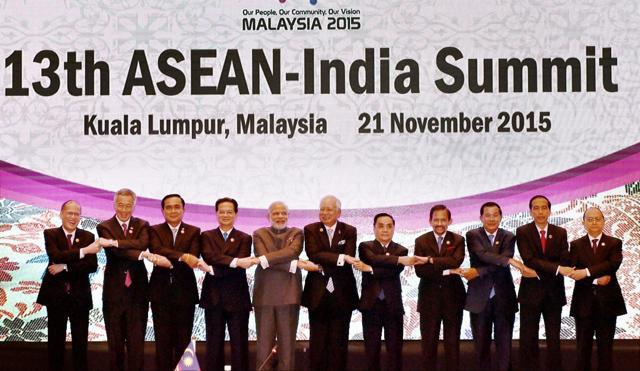
Addressing the 13th ASEAN-India Summit in the Malaysian capital, Modi described terrorism as a “major global challenge that affects us all here”.
ASEAN members and India should explore ways to enhance cooperation at the regional and international level, including support for India’s Comprehensive Convention on International Terrorism, he said.
“We meet at a time of multiple global challenges: economic uncertainties, political turmoil and security threats,” he said.
Modi also called for the peaceful resolution of territorial disputes in the South China Sea, an issue over which ASEAN nations have expressed serious concern during their meeting in Kuala Lumpur.
In a reference to the maritime and territorial disputes in the South China Sea, Modi said India shares with ASEAN a “commitment to freedom of navigation, over flight and unimpeded commerce” in line with principles of international law, including the 1982 UN Convention on the Law of the Sea.
“Territorial disputes must be settled through peaceful means,” the PM said.
“India hopes that all parties to the disputes in the South China Sea will abide by the guidelines on the implementation of the Declaration on the Conduct of Parties in the South China Sea, and redouble efforts for early adoption of a Code of Conduct on the basis of consensus,” he added.
ASEAN ministers had expressed serious concerns over the maritime and territorial disputes in the South China Sea. Malaysia’s foreign minister Anifah Aman said the ministers had asserted the importance of peace, security, stability and freedom of navigation on the sea and over it.
“In this regard, the ministers remain seriously concerned about the ongoing developments and urge all parties to exercise self-restraint,” he said.
Read | Come see winds of change in India: Modi to ASEAN investors
Modi further said the future prosperity of ASEAN and India rests on the “foundation of security and stability in our region and the oceans, outer space and cyber world”.
The first ASEAN-India Cyber Security Conference hosted in January could be the springboard for further cooperation in this area, he added.
ASEAN and India should also evolve plans of cooperation in maritime security, counter-piracy and humanitarian and disaster relief.