
 E-Paper



From long sleep to communal dens: 7 unusual things snakes do in brumation and how they survive winter
Snakes undergo brumation, a period of inactivity during winter, similar to hibernation. Here are 7 strange things snakes do to survive winter.

 Prefer HTon Google


Hibernation is a well-known phenomenon that several animals undergo during winter. Snakes, on the other hand, go through a similar phenomenon called brumation. This is a period of very little activity, where these reptiles can go for long periods without eating, drinking, or defecating, as per A-Z Animals. They are alert but largely inactive.
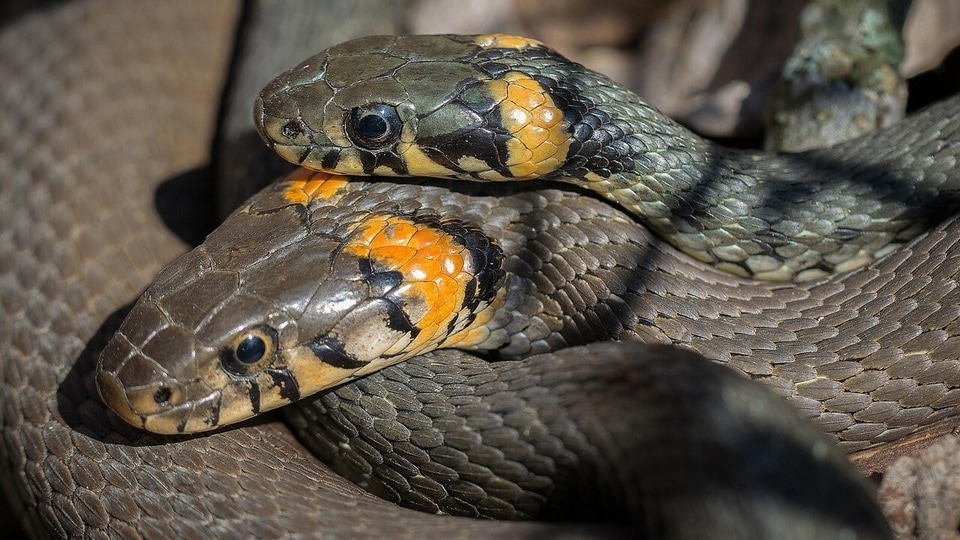
To understand this phenomenon more closely, let us take a look at seven things snakes do when they are undergoing brumation. These are strange but important elements of a snake’s behaviour.
Sleeping a lot
During brumation, the snakes spend a lot of time sleeping. While it is not as much as hibernation, extended periods of sleep help the snake conserve energy and go without food for a long time, reports Wildlife Preservation.
Take shelter in places that are safe and covered
Snakes, when they are looking for places where they can go into brumation, prefer areas such as caves, recesses, caverns, etc. This also means they are attracted to places like basements, boiler rooms, pipes, sheds, woodpiles, and other storage spaces. So, be careful during winter, you may have some unwanted guests during winter in such areas of your house.
Buildup of glycogen in its system
According to A-Z Animals, snakes do not go into a feeding frenzy before brumation. Instead, they stock up on sugar or glycogen in their system. Glycogen is important for snakes as it keeps their muscles strong during the period of inactivity, allowing them to regain full mobility when warm weather arrives.
Sudden activity on warmer days
While mammals spend the entire winter in a state of hibernation, snakes can suddenly start moving around if the temperature increases during a particular day. On such days, they may leave their hibernacula – the place they brumate in – and come out to take in the sun.
Living together
Snakes tend to be loners, and a lot of species like to brumate alone. However, in some species, brumation serves the purpose of bringing together a large number of snakes, which induces greater reproduction.
According to A-Z Animals, garter snakes brumate together in large numbers. There have even been instances of different species of snakes brumating together. This is called communal brumation.
Stay near water source
While choosing their hibernacula, snakes make sure that they have easy access to water. Even though they are in a state of very little activity, snakes need water to avoid dehydration; hence, places close to a water supply are their preferred resting spot for brumation.
Also read: Rainbow Water Snake sighted at Dudhwa Tiger Reserve
Avoid eating
Snakes want to eat less as they approach brumation because the inactivity would prevent the food from being digested. Hence, they avoid eating too much.


