
 E-Paper



Chhattisgarh village collects money to build temple for ‘human-friendly’ crocodile
The temple, Gangaram Magarmachh ka Mandir, is being built near a pond in the village where the 130-year-old crocodile lived.


In a unique initiative, residents of a Chhattisgarh village have collected money to build a temple in the memory of a “human-friendly” crocodile named Gangaram, which died in January this year.
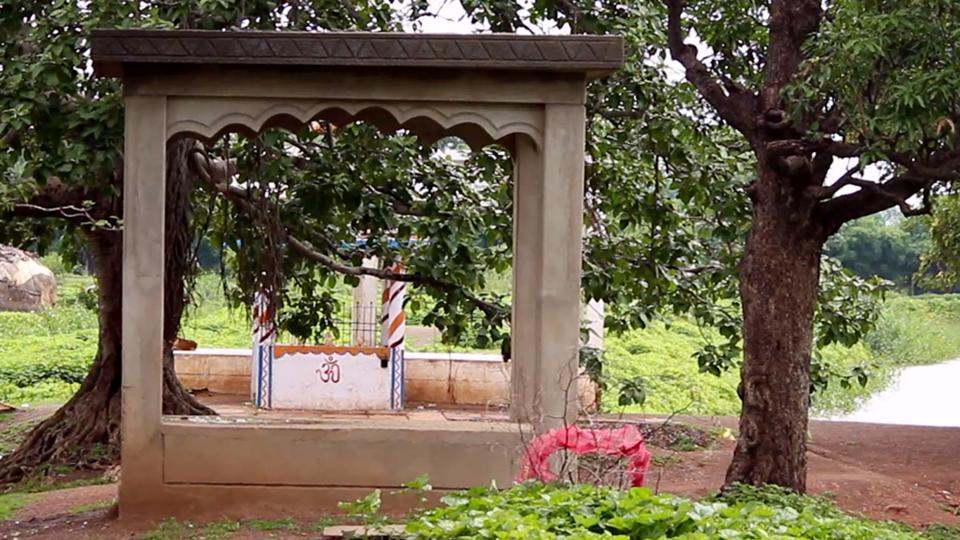
The temple, Gangaram Magarmachh ka Mandir, is being built near a pond in the village where the 130-year-old crocodile lived and was buried by residents of Bawamohatra village on January 8, said Vijay Kishore Goswami, the conservator of Radha Krishna Temple in Bawamohatra.
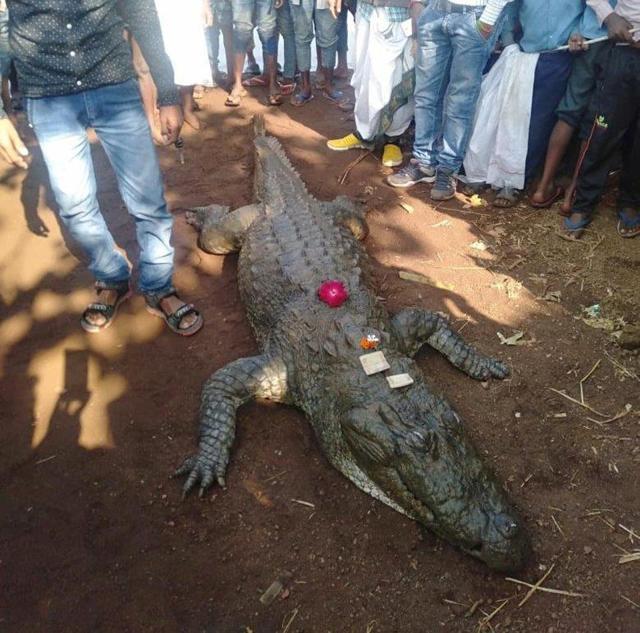
Such was the love of villagers for the crocodile that they protested for over four hours when the state forest department officials came to collect his body in January. The villagers insisted that they would bury the reptile as per local customs and the forest department had no option but to oblige.
“The Gangaram Magarmacch Ka Mandir is to show our respect to him,” Goswami said. “Now, after the death, everyone believes that he was a divine soul and hence a temple is planned,” he added.
The temple will have a statue of the crocodile with that of Goddess Narmada. “We will organise a congregation and a feast, where all will be invited, once the statues are installed,” Goswami further added.
Even before the statues are installed, the villagers visit the temple structure every day and offer prayers and money, which is being used for construction.
The village Bawamohatra is popular in entire Bemetra town in the central Chhattisgarh as magarmachh vala goan (crocodile village) because of Gangaram’s docile nature and human friendly behaviour, the villagers recalled.
Goswami said that his forefathers brought the reptile from somewhere in Uttar Pradesh and since then he has been living in the pond. He, however, was not able to give specific timeframe when the crocodile was brought to this village. “It may be more then 100 years ago,” he said.
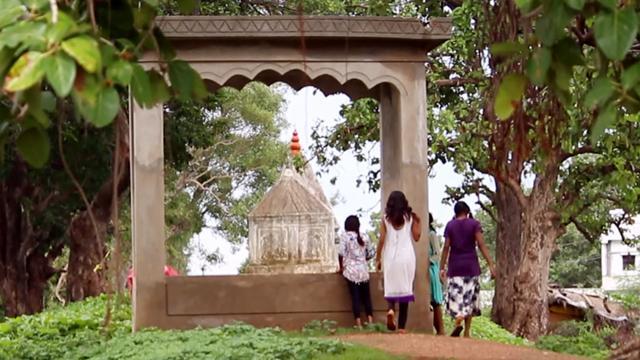
“For us, Gangaram will always remain a God. I come here, sit near the temple and pray. When Gangaram was alive, he used to hear our prayers and after his death, we believe that Gangaram is listening. Many villagers come to this place for pray daily and share similar belief,” said Shiv Kumar Sahu a 40-year-old resident, who came to the temple and offered flowers and fruits.
Raja Verma, who is class VII student of a nearby school, said that Gangaram was an “avatar of God” and there is huge respect for him in the village. “He never harmed anyone and played with us,” the boy added.
Also Read | 500 people attend last rites of beloved 130-years-old crocodile in Chhattisgarh village
-kW0H-U20214218012MgB-250x250%40HT-Web.jpg)


