Evolutionary biologists have been studying epigenetics, or how environmental factors can cause genes to be turned on or off. They believe some species respond differently from others because some genes can produce more than one effect when exposed to different environments. In some cases, these changes get passed on to the next generation. In others, the changes can be reversed once environmental stresses are removed.
Across the plant and animal kingdom, adaptations increase chances of survival and the transfer of genes to the next generation. “In that sense, climate change adaptations are beyond meaningful; they are urgent and vital,” says conservation biologist Thor Hanson. “The species that can adjust will likely persist through this turbulent period. Those that can’t, face the very real threat of dying out or seeing their populations and ranges vastly reduced.”
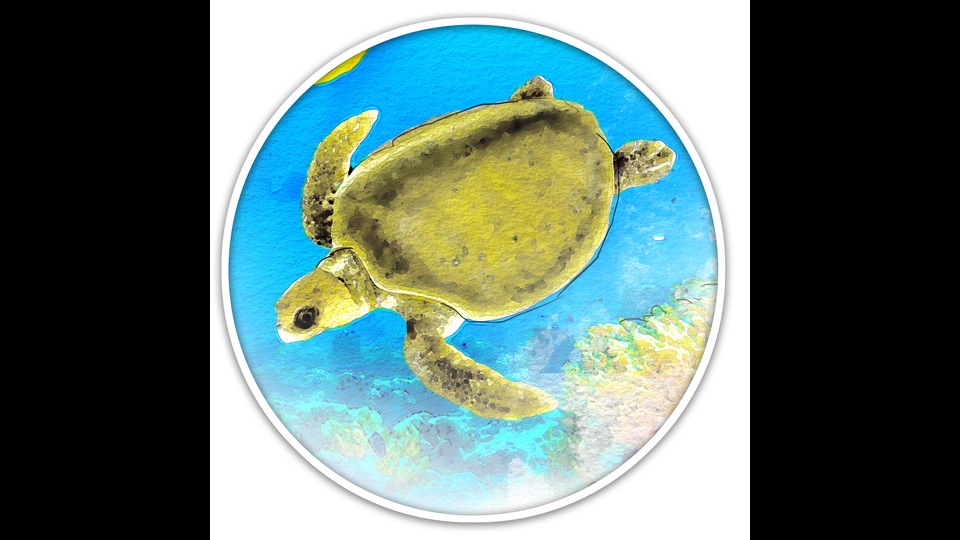
Having no response can spell doom too. At a large turtle-breeding area around the Great Barrier Reef off the coast of Australia, turtles hatched in the cooler southern beaches were found to be 65% to 69% female. Those from the warmer northern beaches were 87% percent female. Young female turtles now outnumber males 116 to 1. If temperatures rise a few degrees higher, certain areas may end up producing only females, leading to local extinctions.
Kartik Shanker, professor at the Centre for Ecological Sciences, Indian Institute of Science and trustee at the Dakshin Foundation, says climate change affects turtles in three ways. Temperatures affect sex determination, heat rise can kill eggs before they hatch, sea-level rises erode nesting sites.
“In India, we have been monitoring hatchling sex ratios in Olive Ridley turtles in Odisha’s Rushikulya beach since 2008,” says Shanker. “When we use that information to predict sex ratios, we expect that there will be a significant increase in the number of females, which is not surprising at all.”
Odisha’s turtles already nest at the northernmost point along this coast – they can’t move farther. Even if they could, they might not, says Shanker. “Sea turtles adults return to reproduce at the beaches where they were hatched.”
 E-Paper