
 E-Paper



An art extravaganza: Check out music, dance, talks, exhibitions, at Birla Academy annual event

 Prefer HTon Google


The annual exhibition of the Birla Academy of Art & Culture in Kolkata, now in is 57th year, is free and open to all. Take a tour of some of the art and performances on the schedule.
Bamboo cane artists from Bangladesh, Lavani performers from Maharashtra and a sound installation from Delhi are among the many highlights of the annual exhibition of the Birla Academy of Art & Culture, due to open in Kolkata on January 9.
The event, now in its 57th year, is open to all, will run for a month, and includes exhibitions, lectures, talks and performances.
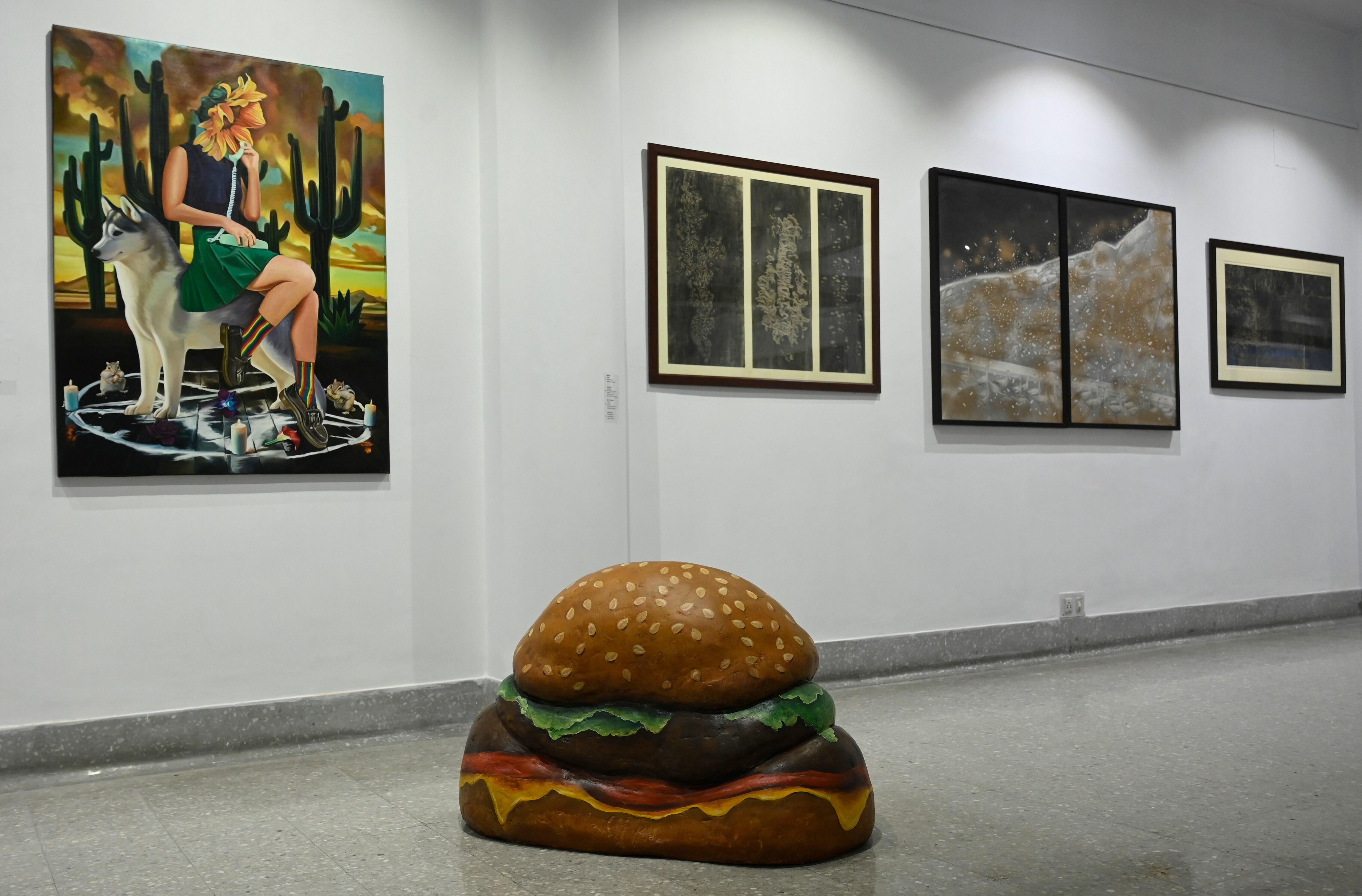
The exhibitions are organised as two sections: a competitive one that showcases art works — sculptures, paintings, prints and video installations — by 147 art students from across the country, selected by a jury from among more than double that number of applicants. And a special exhibition, titled Stories of Light and Song – Contemporary Practices in Asia, guest-curated by Ina Puri.
Stories of Light and Song showcases art with a message of resilience, that puts forth a sense of optimism, Puri says.
Among these is Change Room, a traveling sound installation created by Delhi-based artist Baaraan Ijlal, in which people share stories of apprehension and desire. The aim is to offer the listener perspective, through the practices of telling, listening and witnessing.
Also showcased as part of this section is the cane art, a collaborative effort by bamboo cane artists from northwest Bangladesh and traditional cane artists from Birbhum in West Bengal. “While the Bangladeshi artists work on ceilings and walls with bamboo canes, the Birbhum artists mainly create household items. Their weaving styles are different. The theme for the work displayed at the exhibition is ‘Wave’,” says Kamruzzaman Shadhin of Gidree Bawlee, a community-based art organisation in Bangladesh.
There is a musical mono-act titled Kabeer, by Shekhar Sen. Sutra, a journey in Odissi, by Sharmila Biswas. And the Lavani performance, by artiste Mamta Patil and her troupe.
The Lavani art form, a traditional combination of song and dance, has its roots in the Peshwa dynasty and is said to have been introduced by those rulers as a morale-booster for tired, war-weary troops.
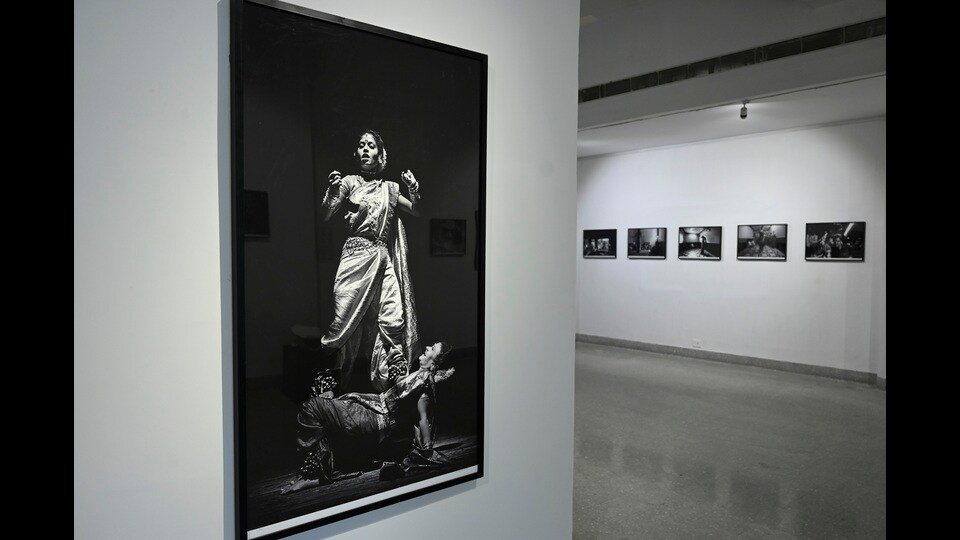
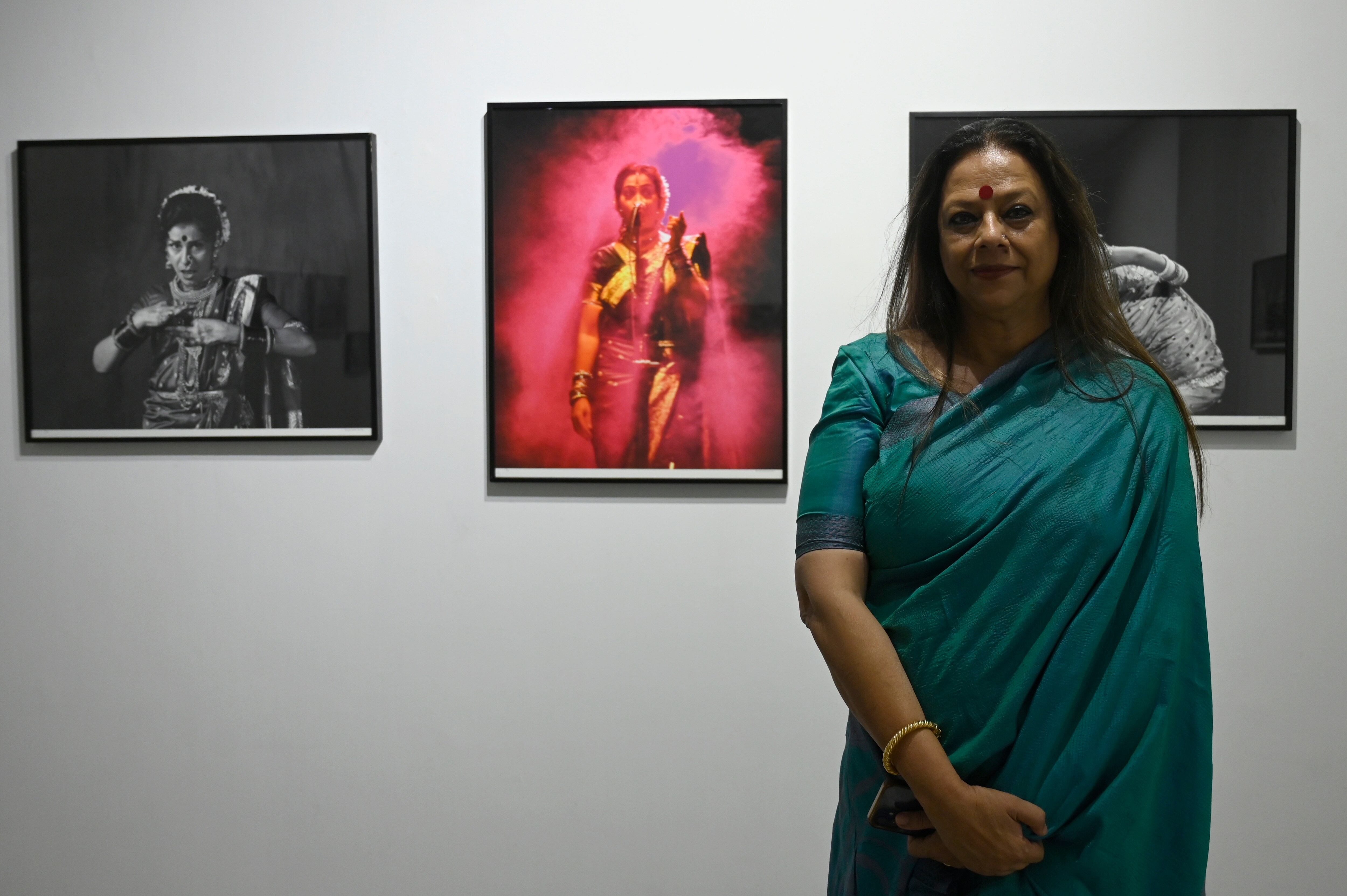
“These dancers are now a neglected lot in society. Only about 3,000 remain in Maharashtra. Earlier they used to move from one village to another to perform. Later they performed in theatres. Now, this dance from is gradually fading,” says Sudharak Olwe, a Mumbai-based photographer who has been documenting the lives and work of this community of artists since 2003.
A selection of his photographs will be showcased too. “The performance by Mamta Patil and her troupe will be a rare one in the city,” Puri says.


