Why do we cook; why have we for so many thousands of years? The reasons, when one gets down to it, are really interesting.
Cooking, of course, kills microbes, making food safer to eat. Heat can also soften fibres and break down starches and proteins, helping the body extract their nutrients more efficiently. But a key reason we cook — the most interesting one to me — is in order to vanquish the defence mechanisms that protect plants.
Plants don’t want to be eaten. Broadly, they have three ways of defending themselves. The first is structural and takes the form of physical barriers such as lignins, cellulose, thorns, trichomes (leaf hairs). We defeat these by milling, dehulling, peeling and chopping.
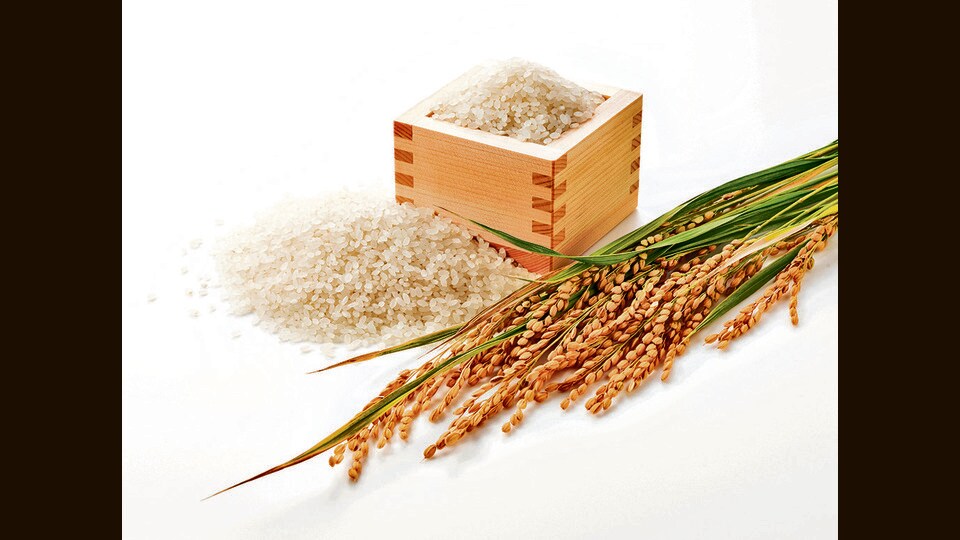
Artichoke hearts, fresh coconut, even soft fluffy rice are examples of such defeats.
Starch from grains, in fact, has become one of the largest sources of energy for the human race. The reason the grain accumulates so much starch in the first place, and fights so hard to protect it, is to use it as a food source for the seed within. So grains are enveloped in woody, fibrous husks (or hulls). Even swallowed, these will survive intact. There isn’t a known stomach that can digest a seed in its hull. No amount of cooking can make the husk useful. Even today, all grain must be de-husked before being eaten. (Remember, husk is different from bran, which is the outer coating on each kernel.)
The second line of defence in plants is the chemical arsenal, designed to act against pathogens. Unfortunately for some plants, we have fallen in love with some of these chemicals. We have grown to savour terpenoids (found in citrus, eucalyptus, peppermint), phenolics (found in cinnamon, clove, vanilla), piperine and capsaicin (in peppers and chillies). They have, in fact, become vital ways to add aroma to other foods and flavour bland starches.
These chemicals are not essential components of the plant’s basic metabolism; their sole purpose is defence. Which is ironic, of course. Both caffeine and nicotine, for instance, are effective insecticides. And both coffee and tobacco are now grown primarily for consumption.
There are some chemical weapons that do such a good job that we have learnt to leave their plants alone. These include the solanine in green potatoes and the toxic cucurbitacins in some types of bottle gourd, bitter chemicals that signal such high levels of toxicity that they cannot be processed out of the produce.
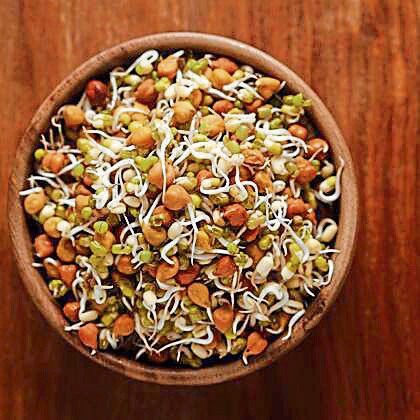
Now for the third line of defence (and my favourite). This is the “won’t go down without a fight” line of attack. Some plants contain enzyme inhibitors (tannins, trypsin inhibitors, phytates) that prevent them from being broken down in the digestive system. Alpha-amylase inhibitors in legumes attack amylase enzymes and prevent starch digestion. Lectins bind to carbohydrates and disrupt digestion. This is why we cannot eat beans or dals raw. But fermenting, germinating and cooking all reduce or eliminate these anti-nutritional factors.
Even the simple act of soaking can make a legume digestible, and the reason is really a bit moving. Soaking mimics the first stage of growth for the baby plant. As it prepares to sprout, all the defence mechanisms around the seed start to withdraw. Plants being powerful chemists produce other enzymes that break these anti-nutrients down into simpler compounds. As a result, in as little as two hours, some legumes can go from indigestible to edible, even raw, in a salad.
Delicious and nutritious for the human; rather tragic for the plant, which was hoping to sprout and soon have seeds of its own!
(To reach Swetha Sivakumar with questions or feedback, email upgrademyfood@gmail.com)

 E-Paper