
 E-Paper



Five ways the art world is changing

 Prefer HTon Google


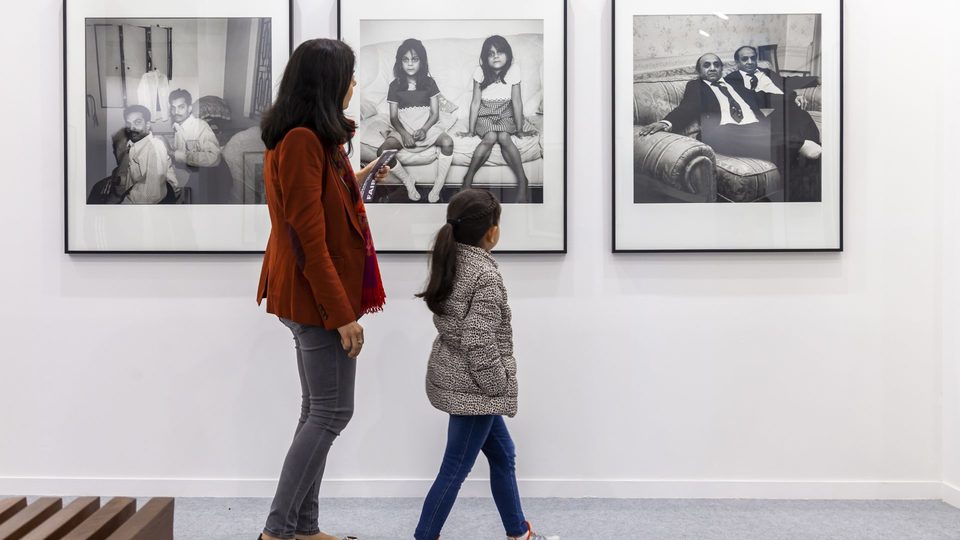
Jaya Asokan has been appointed director of the India Art Fair, and is set to navigate a world transformed by a pandemic, an upended economy and new digital forces. Take a look
Art buyers are getting younger.
Galleries across India are seeing young professionals express an interest in art. At art nights and gallery weekends in major metro cities, where viewing hours are extended and there are talks around events and shows, the crowds are overwhelmingly young. This is a good sign. It builds an audience of art lovers with a long-term interest in art. Collectors are getting younger too, buying small works or from emerging artists, and working on developing collections and offering long-term patronage. Many buy their first work of art at an art fair. They will need guidance and long-term support on resales, appraisals and refining their collections.
Curators and architects are becoming more powerful
Mortimer Chatterjee, who runs Mumbai’s Chatterjee & Lal gallery with his wife Tara Lal, says curators first started influencing the market after the economic downturn of 2008. “It was curators, based both in India and further afield, who were the key drivers for the kind of work that tended to be shown by galleries,” he says. “Curators’ decisions to include gallery artists in institutional contexts were very important in establishing credentials, and, therefore establishing markets. In the present scenario, where it is likely that large-scale museum and institutional exhibitions will be fewer, it is likely that collectors and curators will once again play a pivotal role in defining gallery programmes.”
Architects are playing an important role in the art world too. “Their clients have shown a willingness to buy art as part of the architectural brief,” Chatterjee e says.
Art is going digital
With galleries and museums putting their collections online, there’s increased access to art, an artist’s oeuvre or a period or artistic style. Art Basel Hong Kong’s 2021 edition will be in hybrid format. While most galleries will travel to Hong Kong, over 50 will participate remotely through satellite booths that will allow each exhibitor to present their own small, curated exhibition
Art fairs, especially, will have to work out how to tap this scattered market.
Meanwhile, digital natives are interested in digital art. Non-fungible tokens or NFTs (non-replicable versions of digital images, sounds, videos, virtual real-estate and other virtual assets) are increasingly showing up at auction, and Indian artists are creating NFTs of their own. For a fair that is looking to be inclusive, NFTs will be another new challenge.
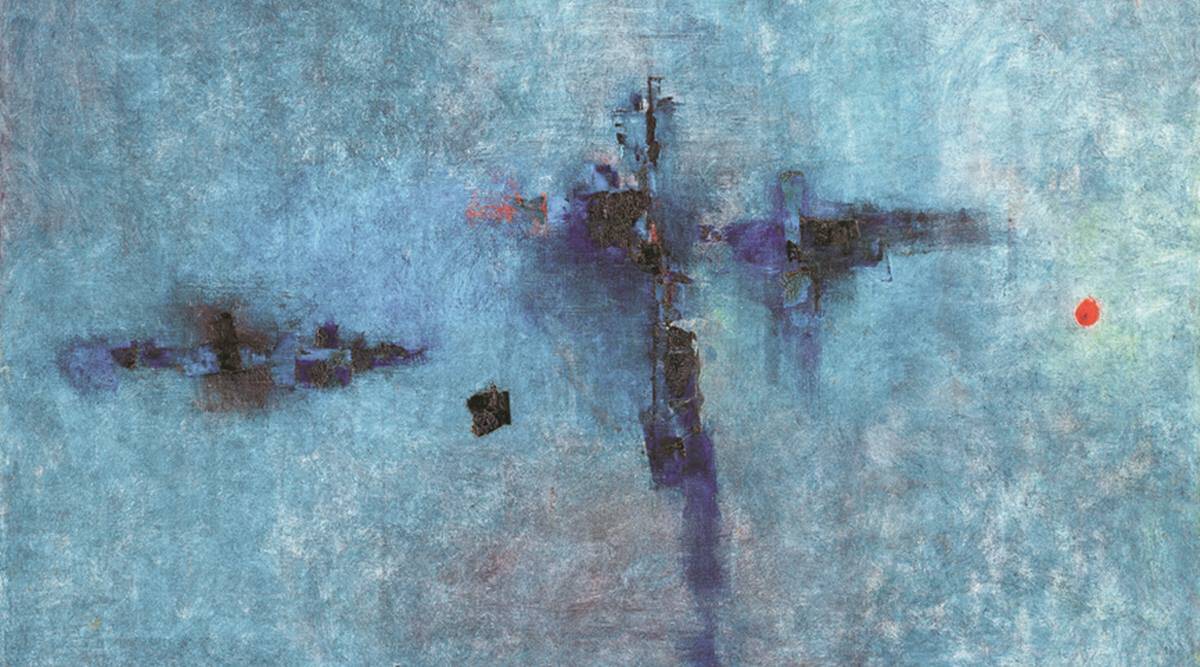
Indian art is setting new records at auction
Late in March, an untitled 1961 abstract work by VS Gaitonde fetched almost ₹40 crore or $5.5 million at Saffronart’s Spring Live sale, a global record for an Indian artist at auction. Saffronarts co-founder Minal Vazirani recalls the exhilarating moment: “After the hammer came down on the sale of the Gaitonde, I congratulated the buyer, who was on the phone with me. After the auction ended, one of the first calls I made was to the consignors of the Gaitonde, so that Dinesh and I could congratulate them. There is a great deal of administrative wrapping-up required after the auction ends, so that is the first priority.” Sales will affect how galleries are positioned and how an artist is perceived, online, offline and at the art fairs.
A common ground is more important than ever
Through it all, the fair will need to keep its sights trained on its original objective - bring the art world together. “A gallery relies on a group of networks to be able to get across to an audience its vision and programme,” says Chatterjee. “At the most basic level, this means the gallery’s own network of contacts. Beyond this, there is some kind of regional network (for instance the Mumbai Gallery Weekend). What was missing in the Indian context was an all-India platform,” Chatterjee says. “The India Art Fair gave galleries access to a network that covered both a domestic and international audience far exceeding the networks of either the individual gallery or the regional scenes developing in Mumbai, Delhi and a few other major cities. Since the IAF was able to establish this global network, its value to the art market has been immense.”


