In films, in paintings, even on vintage matchboxes, our love for felines – despite their clear indifference (let’s be honest) – finds expression over and over.
Updated on: Feb 14, 2026 2:30 PM IST
By Gowri S
Share via
Copy link
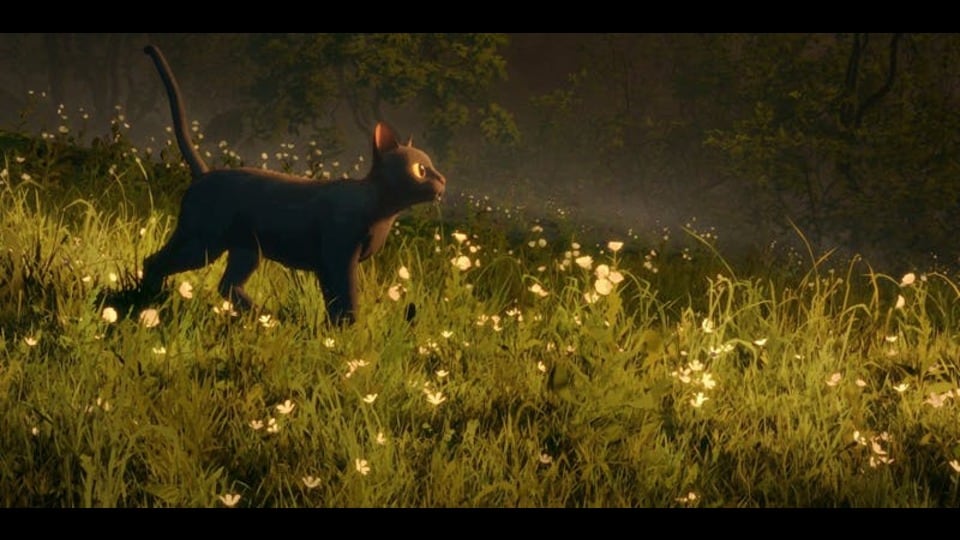
A still from the Oscar-winning animated film Flow (2024), about a cat in a post-apocalyptic world.
A mass-produced 19th-century chromolithograph of a matchbox label for HA Gaffer. (Museum of Art & Photography)Indian tradition often represents the “thieving cat”. Above, Jamini Roy’s untitled 1920 canvas depicts two of these, faces entrenched with purpose, caught stealing a prawn. There’s more to this work than whimsy. “The cat and the prawn imagery, which emerged around the Kalighat temple in West Bengal, became a commentary on priests belonging to higher castes targeting those who could not stand up for themselves,” says Khushi Bansal, curator of Many Lives of the Cat, an ongoing show on felines in Indian art at the Museum of Art & Photography, Bengaluru. (Wikimedia)In 1932, the American master Edward Hopper, famous for portrayals of urban isolation, created a rare, humorous (and personal) sketch titled The Cat’s Meow, to express his jealousy towards the pet feline of his wife Josephine Hopper (also a painter). It’s a whimsical look into the often-strained marriage of the Hoppers, who were known for an intense creative rivalry.(Above left) From Tom & Jerry’s Tom, created in 1940, to Scratchy from Itchy & Scratchy, the cartoon within a cartoon in The Simpsons and (above right) Lewis Caroll’s maddening, whimsical creature full of riddles, the vanishing Cheshire, to Tim Burton’s more-menacing interpretation of it in his film Alice in Wonderland (2010), cats have had many, many lives on screen.Teasing the Cat (1888), a Japanese woodcut print by Tsukioka Yoshitoshi. (Wikimedia)The memes began in at least 2006, with LOLcats (above left). Social media is full of cats being outrageous. Above right, the chubby Tombili, who has a vast following online, lounges on a sidewalk in Istanbul.