Leopard lore: A new book bats for the other big cat
Wildlife biologist Sanjay Gubbi says he wrote Leopard Diaries: The Rosette in India because it worries him that not enough is known about this endangered predator, and as a result it isn’t getting the attention it needs.
The leopard needs a bit of an image upgrade, and that’s one reason wildlife biologist Sanjay Gubbi wrote his latest book, Leopard Diaries: The Rosette in India.
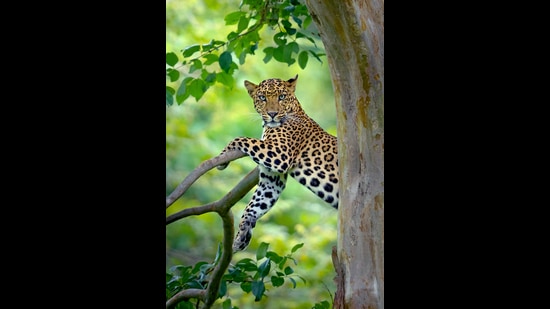
Did you know, Gubbi likes to ask, that there are only about 20,000 leopards left in the wild in India. (Aravind Karthik)
There isn’t enough known about the many sub-species around the world (India has only one); too little attention is paid to how endangered they all are; and because the leopard manages to survive around farmlands and even on the fringes of cities, it’s assumed that it doesn’t need as much protection as the tiger.
But did you know, Gubbi likes to ask, that there are only about 20,000 leopards left in the wild in India. (For comparison, India has just under 3,000 tigers in the wild, according to a 2018 estimate by the National Tiger Conservation Authority.)
To draw more mass attention to the leopard, then, Gubbi’s Leopard Diaries (Westland; 2021) eschews graphs and statistics for trivia and anecdotes. It explores how one sub-species, the Amur leopard, evolved to survive in the snow-covered mountains of eastern Russia and north-eastern China. How leopards coexist with tigers by hunting in hours when the latter are less active. There’s a section on how they can travel hundreds of kilometres to find food or a mate (one radio-collared male leopard named Benki covered a distance of 1,134 kms in 146 days).
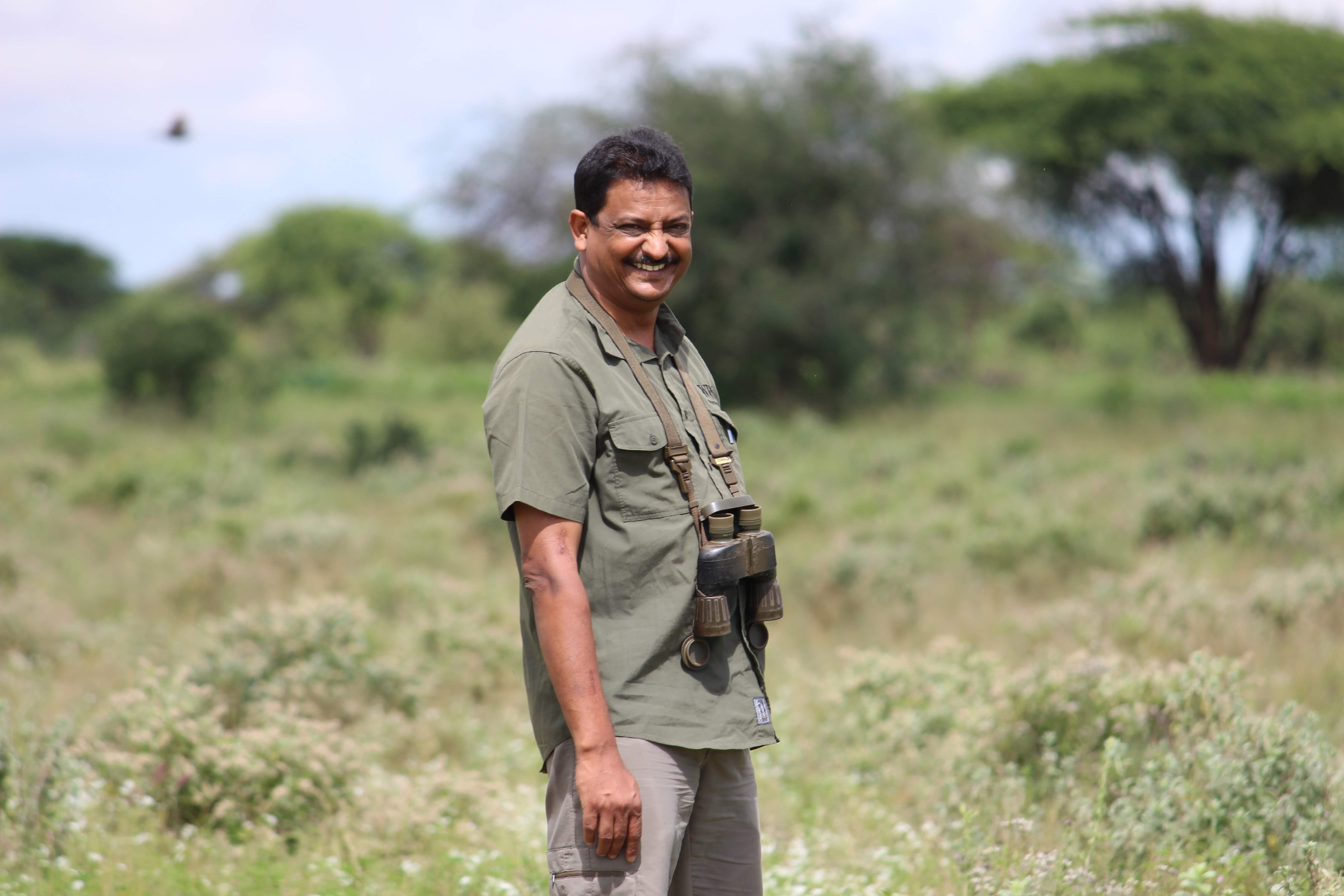
Sanjay Gubbi, 50, has written four previous books on his findings and experiences in the wild. This one, for the first time, also contains his own chilling account of surviving a leopard attack in 2016.
Gubbi, 50, has written four previous books on his findings and experiences in the wild. This one, for the first time, also contains his own chilling account of surviving a leopard attack in 2016. He was called to a school near his home in Bengaluru on a Sunday, he recalls. A leopard was hiding in the bathroom. Hundreds of spectators, including children, had gathered outside. As Gubbi was asking them to leave the compound and move to a safer distance, the leopard leapt out of a ventilator and dashed towards him.
Gubbi suffered gashes to his torso, forearm and shoulder, puncture wounds, and a mauled arm before he managed to push the by-then-tranquilised big cat away. A phone in his pocket prevented his lungs from being damaged. He still needed 55 stitches, skin grafts and has impaired mobility in his right arm. “But I have no ill-will towards leopards. Human beings are taking away what belongs to leopards, and that’s the main reason for all man-animal conflict..
Poaching, road accidents, depletion of the leopard’s natural prey base and destruction of their habitats could see the species go extinct by 2150, Gubbi says. His book recounts how a female leopard released in the Anechowkur forest in Mysuru in March 2014 was found dead six months later. Villagers angry that she had killed livestock retaliated by poisoning a half-eaten goat carcass, knowing that she would return to it. In such cases, the failure is neither with the big cat nor the local populace but with the lack of planning, he says.
“I want our children, and theirs, to be able to live in a world that still has room for the wild,” Gubbi adds. “Apex predators must exist, also for our own benefit. They are great seed-dispersers, play an important role in the terrestrial food chain and help control the number of scavenging species that attack livestock and crops and spread disease.”
To save the leopard, he considers it vital that scientists and researchers like himself communicate effectively. “People need to reconnect with nature and realise what they stand to lose,” he says. “Tolerance and a love for nature must be at the heart of decision-making at multiple levels. It’s the only way forward.”

 E-Paper