
 E-Paper



Office interior tips: Top flexible, future-focused workplaces design trends

 Prefer HTon Google


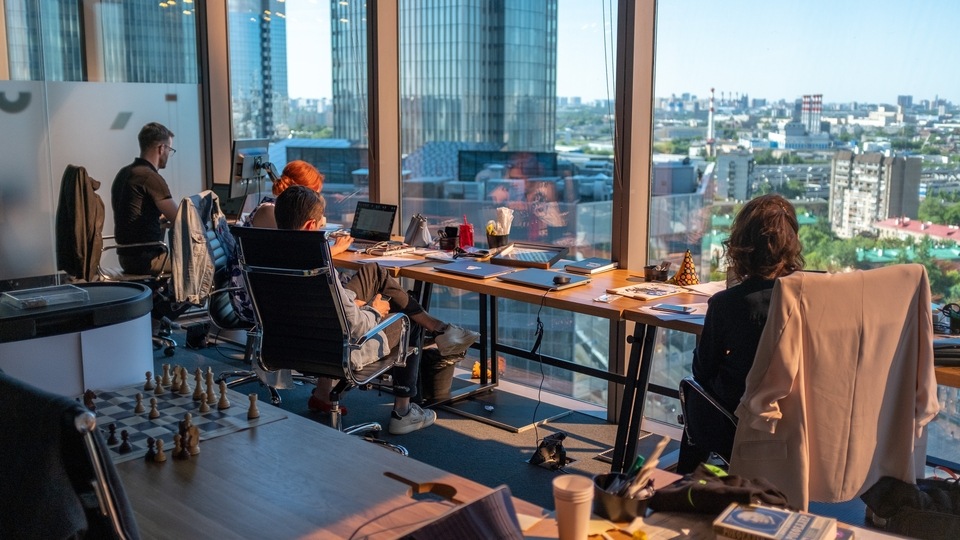
Office designs these days are not limited to boxed cubicles or stations, it's about creating invigorated spaces that fuel millennials and gen Z's innovation and collaboration. Check out these top flexible, future-focused workplaces design trends
The amplified outbreak of the Covid-19 pandemic across the globe has evolved the work culture that transcended the design for commercial spaces to focus on employee safety and wellbeing, thus creating an emerging need for new-age workplace design concepts. The real challenge for a commercial interior designer is to create spaces that still uphold the essence of collaboration and social belonging while being adaptive to the new safety parameters.
The need to create offices where employees long to come back, where memories linger and which feels like one’s second home is increasingly growing like never before. Brainstorming sessions, product launches, pulling off all-nighters or celebrating success with the team - office designs these days are not limited to boxed cubicles or stations, it's about creating invigorated spaces that fuel innovation and collaboration.
What defines the future of work? What are the trends that we will see dominating in the workplace in the coming years? It’s impossible to know precisely what tomorrow’s working environment will look like but trends in workplace design can help us understand what might be coming down the road and how it might affect our organisations.
In an interview with HT Lifestyle, Kunal Sharma, Founder and CEO of Flipspaces, revealed what are some top flexible, future-focused workplaces design trends to look forward to:
1. Collaborative spaces and spaces enabled with technology
Dynamic job roles and burgeoning work queues of the new age companies created an emerging trend of designing collaborative spaces wherein a single individual may get absorbed in multiple tasks and multiple meetings at once. Employees now want to feel safe and secure with regards to the workspaces that they’re currently working at, but at the same time also feel that they’re in a more collaborative and open environment which fosters productivity and culture.
Gen Z are cited to be “Digital Natives” as they were born of speaking and breathing technology. With this exposure they’re more aware and lead their routines with technology. With this knowledge, firms need to ensure that their workspaces are now designed with technology which promotes innovation, collaboration, break-out zones for employees, Virtual meetings (Zoom/Google Meets) spaces along with new privacy pods and quiet zones.
2. Focus on light and light sources
Light and light sources play a crucial role in the experience of people working in commercial spaces. Especially when it comes to designing offices, it is always advisable to make provisions for enough light in the interiors. Here, you may need to make distinctions between the kind of lighting that would suit the space – such as general/ambient lighting, task lighting, accent lighting, and more. Not knowing whether it is light or dark outside often leads to a stuffy and claustrophobic workplace atmosphere. It is, therefore, important to focus on natural sources of light wherever possible as you design a commercial space.
3. Designs to improve employee retention and productivity
With the onset of the pandemic, it had posed a few questions in terms of what the new workspaces would look like once life resumed in normalcy. While we’ve seen a few innovative work environments come along such as the hybrid work model - firms have had to now adapt to an even more flexible work culture, while also trying to maintain and improve the productivity of its workforce. With the new briefs that firms are now publishing across to interior designers for their design and build of future commercial workspaces; one needs to look forward at the larger picture of its workforce and with a fresh perspective of design.
Considering that the country’s workforce in the next couple of years would mainly consist of the millennials and Gen Z generation, firms have to now also look at retention as well as looking to tap into the local talent and build a growth-focused team rich in functional roles. Incorporating natural elements in commercial interiors allows your employees to work in a comfortable and invigorating environment. This makes them genuinely motivated to come to work and engage themselves better. When you have high employee engagement, you do not need to worry about retaining talent within your organisation.
Pointing at the three workplace design trends that highlight important elements that make up an 'ideal’ future work environment, namely adaptive, collaborative and healthy working spaces, Uttamaditya, CEO and Founder of U & I interiors, listed the main design trends that can help you stay ahead:
1. The rise of remote work.
2. The need for flexibility and adaptability.
3. The importance of collaboration.
4. The rise of artificial intelligence and automation.
5. The importance of data-driven decision-making
6. The increased demand for data privacy.
7. The need to be able to generate quick and effective solutions.
He said, “A new era of ‘work’ has arrived, earlier than expected. Designers have a huge role in shaping the future of work. Covid-19 has amplified the discussion around what the future of work entails. We are entering an age where people can't simply find a job but instead have to find their meaning and passion.”
Talking about the top design trends to watch, he said, “Designers are always keeping an eye out for the latest trends so they can stay ahead of the curve.” He shared some of the top design trends that will shape the future of work
1. One-of-a-kind items - Unique and one-of-a-kind items have become much more common as people want to express their individuality. Brands offer high-quality products at an affordable price point for customers looking to make a statement with their purchases. To keep up with the latest trend, manufacturers need to be aware of how this new way of shopping is changing the way goods are being sold.
2. Worker satisfaction - To achieve maximum efficiency and maximise productivity, employers must pay attention to what makes their employees happy on the job. If workers feel unappreciated or undervalued, then their overall happiness will suffer. It's important to take into account whether workers are satisfied with their salary, benefits, hours worked per week, opportunities for growth, and flexibility. Providing these factors ensures higher levels of worker satisfaction which in turn result in better production outcomes
A trend that is gaining popularity is experience design, which is the practice of designing products, services and environments with the user's needs and preferences in mind. Uttamaditya gushed, “This approach puts the user at the centre of the design process and results in products and services that are more user-friendly and enjoyable to use. It also has a positive impact on businesses, as they benefit from improved customer satisfaction and loyalty. For this reason, it’s no surprise that organisations around the world are beginning to embrace Experience Design as a way to improve their company culture and better connect with their customers."
He added, “With so many organisations employing different approaches to Experience Design, companies must determine what type of experience design best suits their goals for employees and customers alike. There are four main types of experience design: Passive (the user experiences a product or service without any interaction), Interactive (the user actively participates in creating or modifying something), Generative (the product can generate new content on its own), and Adaptive (a digital interface automatically adjusts itself based on the input given).”
As the lines between our personal and professional lives continue to blur, there is an increasing need for products and services that can seamlessly integrate into our everyday lives. The popularity of subscription-based models will continue to grow as they offer greater flexibility and convenience.
Uttamaditya asserted, “AI and automation will play a big role in increasing efficiency and productivity, while also freeing up employees to focus on higher-value tasks. Employees who have successfully transitioned from one industry to another have developed crucial skillsets including adaptability, creativity, and communication. Collaboration across industries is key; it’s no longer about what your company does but how you do it.”


