Sign in

Out of the shadows: See more of the Modernist Prafulla Dahanukar’s work

Updated on: Dec 7, 2024, 15:48:42 IST
By
Share
Share via
  • facebook
  • twitter
  • linkedin
  • whatsapp
Copy link
  • copy link
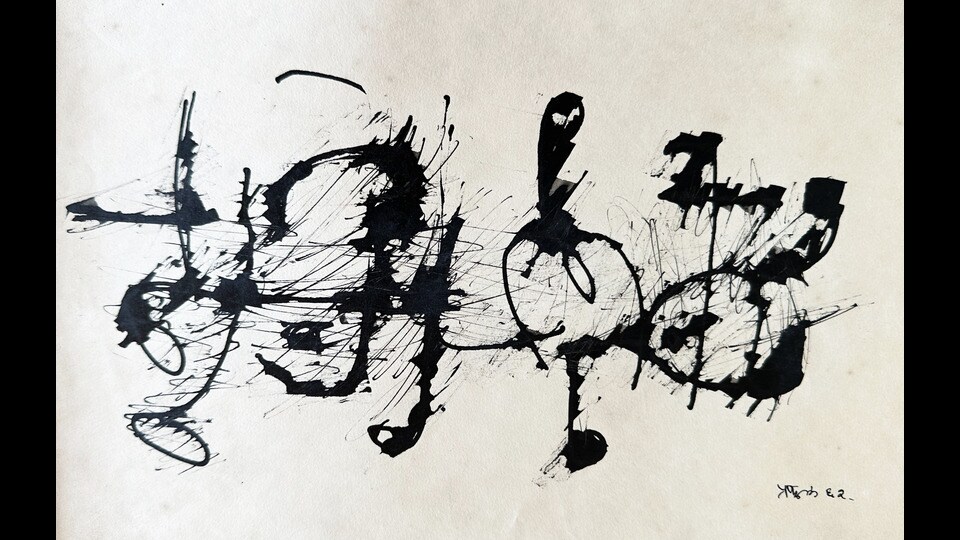
This work is part of a series of ink drawings and watercolours etched in a private sketchbook dating to 1961-62. They have never been exhibited before, but will be part of the retrospective in Mumbai. The series reveals a poignant range of early experiments with linear and calligraphic abstraction.  (Image courtesy the Dahanukar family collection)

In life, her work did not receive the attention it warranted. In her 10th death anniversary year, see landscapes, murals and early experiments in abstraction.

.

(Image courtesy the Dahanukar family collection)

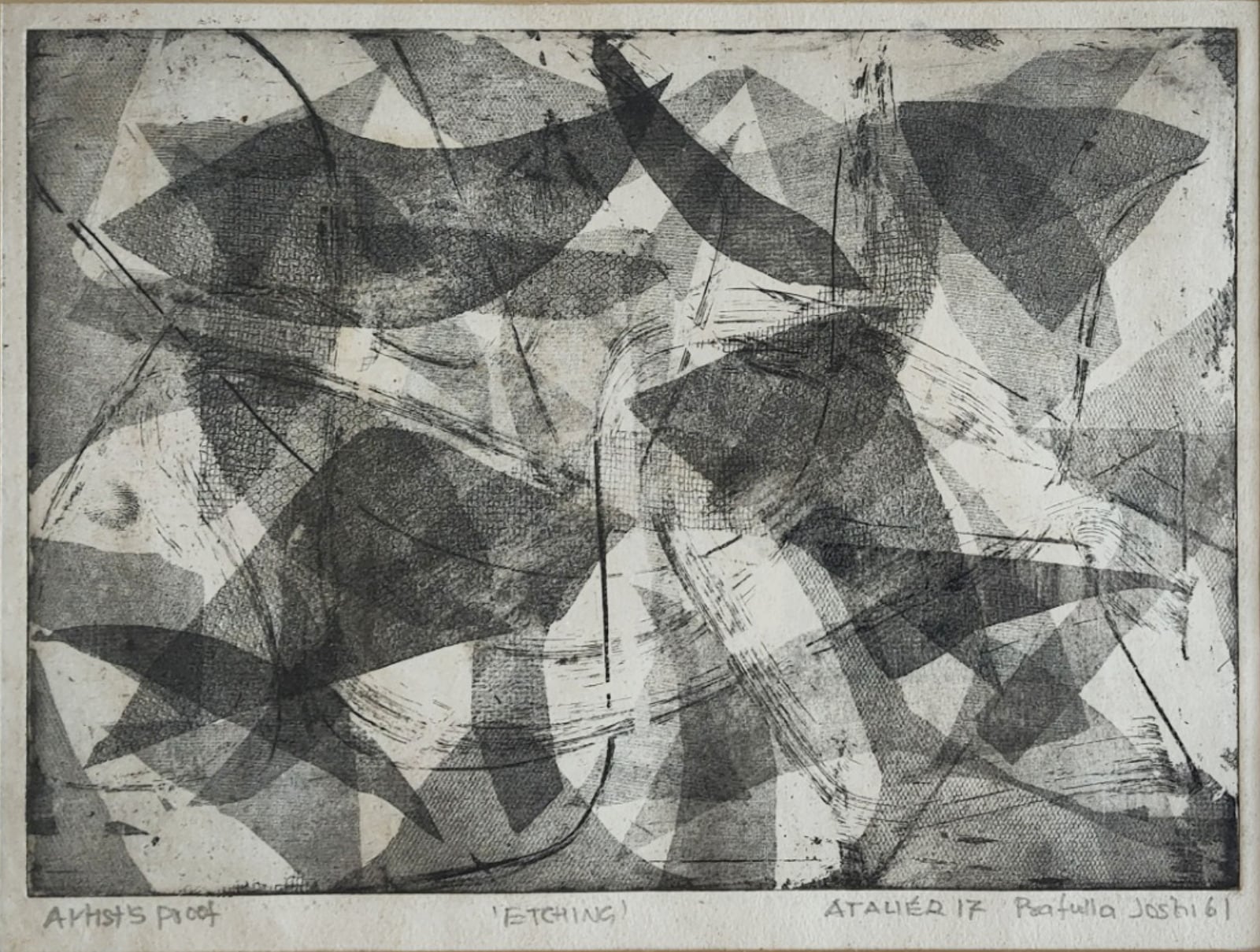
Among the works Dahanukar created while at Atelier 17 in Paris is a series of experimental intaglio prints that explore geometric, linear and organic forms. These works reflect a range of possible tonalities made from one plate. This print was created in 1961.

.

(Image courtesy the Dahanukar family collection)

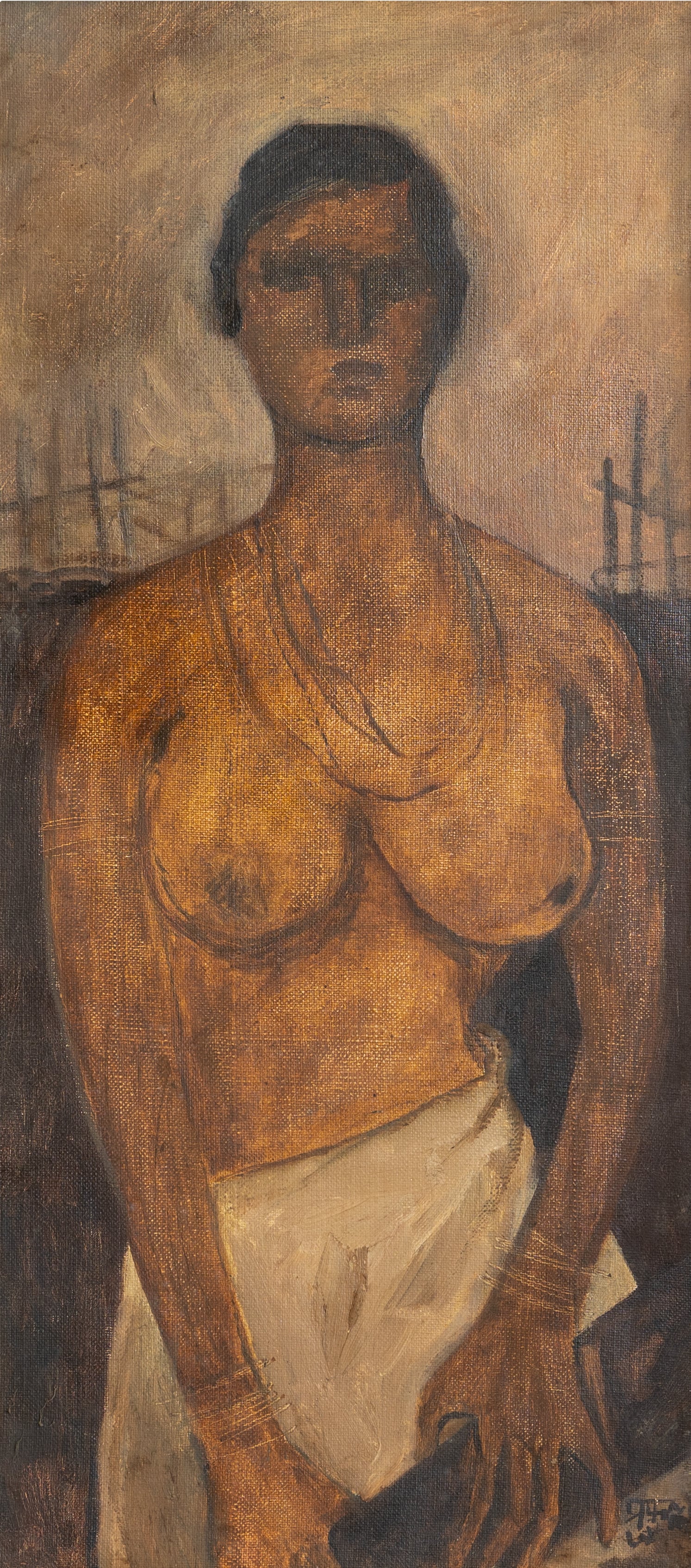
An untitled portrait from 1971 shows how Dahanukar’s early figural works reflect the concerns of her few female contemporaries, including B Prabha. They represent diverse women in various roles, challenging the predominance of a male gaze across the history of art, in India and far beyond. This work presents a frontal portrait of a village woman, nude from the waist up, facing us with a reserved expression. While the figure is rendered finely, Dahanukar uses a thicker impasto on her nauvari (nine-yard sari) and in the haze of the background.

.

(Image courtesy the Dahanukar family collection)

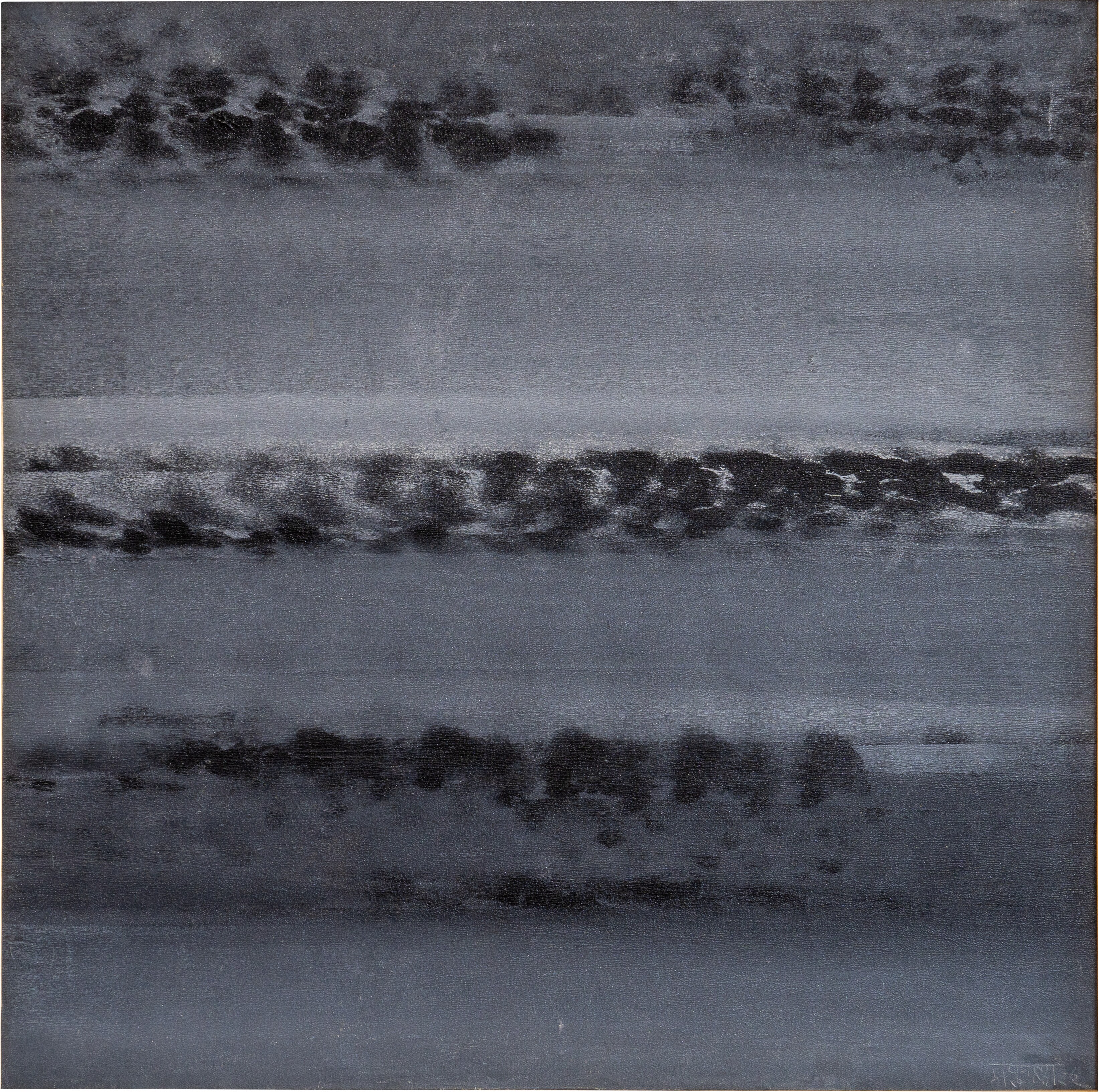
This work, painted in 1989, is emblematic of the resolved compositions of the artists mid-to-late career. She achieved calm in her compositions through a range of approaches, using brushes and rollers.

.

(Image courtesy the Dahanukar family collection)

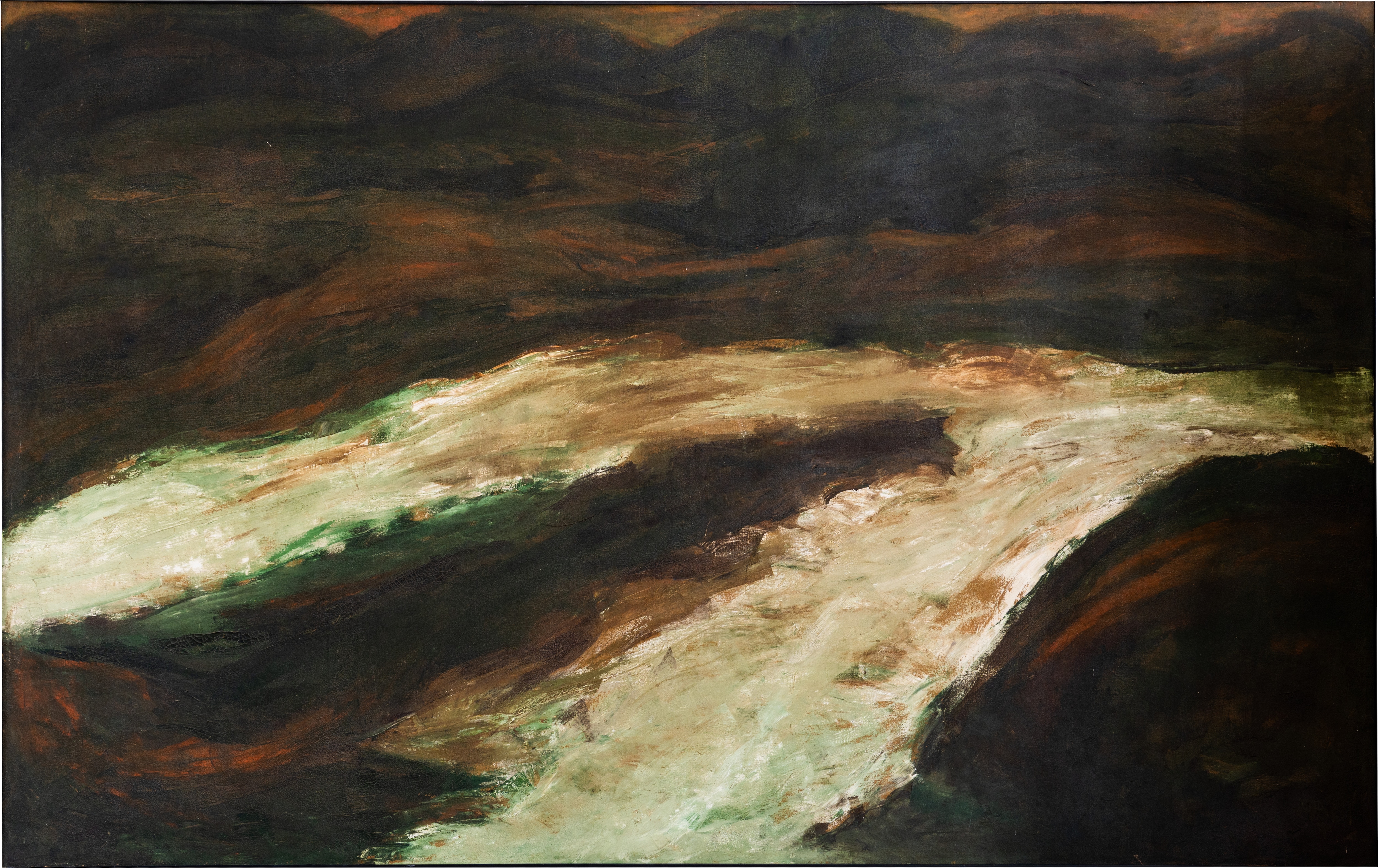
In the mid to late 1970s, Dahanukar continued to wrestle with the dialogue between abstraction and landscape in her paintings. While her work often resists linear progression, this phase of her practice culminates with the monumental canvas of 1981 seen here, with a tumultuous river of movement and striking contrast between light and dark forms across the horizontal work.

Explore the latest Lifestyle News on health, fashion, travel, relationships, food and festivals. Find useful tips, expert advice, trends and inspiring stories for everyday living.