
 E-Paper



#SnyderCut: How did fans get so powerful, anyway?
Loyalists have brought back dead characters (like Sherlock Holmes and Catwoman), even revived cancelled TV shows (Brooklyn Nine Nine). But the new Justice League is the first time a studio has bowed to a demand to remake an entire movie.


I am, at the moment, trudging through Zack Snyder’s Justice League. I say “trudging” because it’s four hours long and I don’t care for the superhero genre. But the fact that it exists is more exciting than the story it tells.
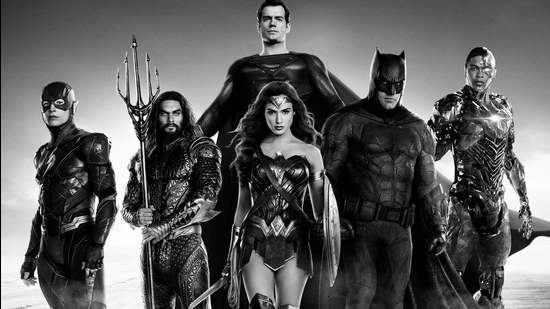
You probably know by now that this version of Justice League, the #SnyderCut, is the one the director was working on in 2017, before arguments with the studio (his daughter died at the time too) made him step down. The film, completed in a rush by another director — he didn’t even want his name in the credits — looked haphazard, felt soulless, and bombed when it was released in 2017.
Something strange happened after that. Fans began to rally online, sharing news that Snyder had taken his footage with him when he exited the project. They were convinced it was the more authentic Justice League. “Release the Snyder Cut,” they demanded.
Fans have, in the past, launched successful online campaigns to bring back a character or even a beloved show. It’s why Julie Newmar / Catwoman returned in the 1960s Batman TV series, despite falling to her death in a previous season. It’s why Brooklyn Nine-Nine was cancelled by one American network but picked up by another one within 24 hours.
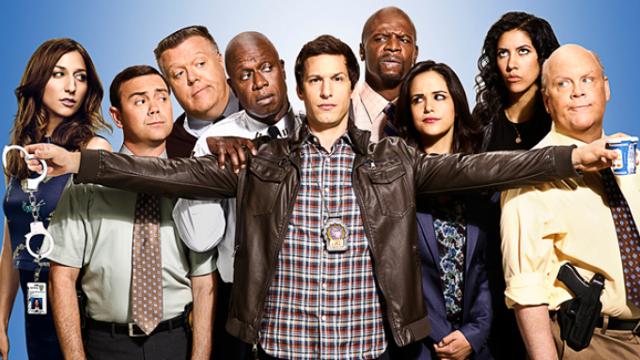
This is the first time, however, that a studio has acquiesced with a full retelling of a major release.
How did fans come to wield this much power? Most studies about fandom focus on its economic clout — after all, what is one person’s loyalty and engagement if it can’t make another person rich? The 2017 book Superfandom: How Our Obsessions are Changing What We Buy and Who We Are views fans as brand builders. Troika, the research team that spent a year studying fan behaviour (they call themselves fanthropologists) in 2016, did so mostly to develop fan-focused marketing strategies.
Another American study, The Power of the Fan, examined the attitudes of 2.5 lakh fans in 2017. Their key finding: big fans are also big spenders and big influencers.
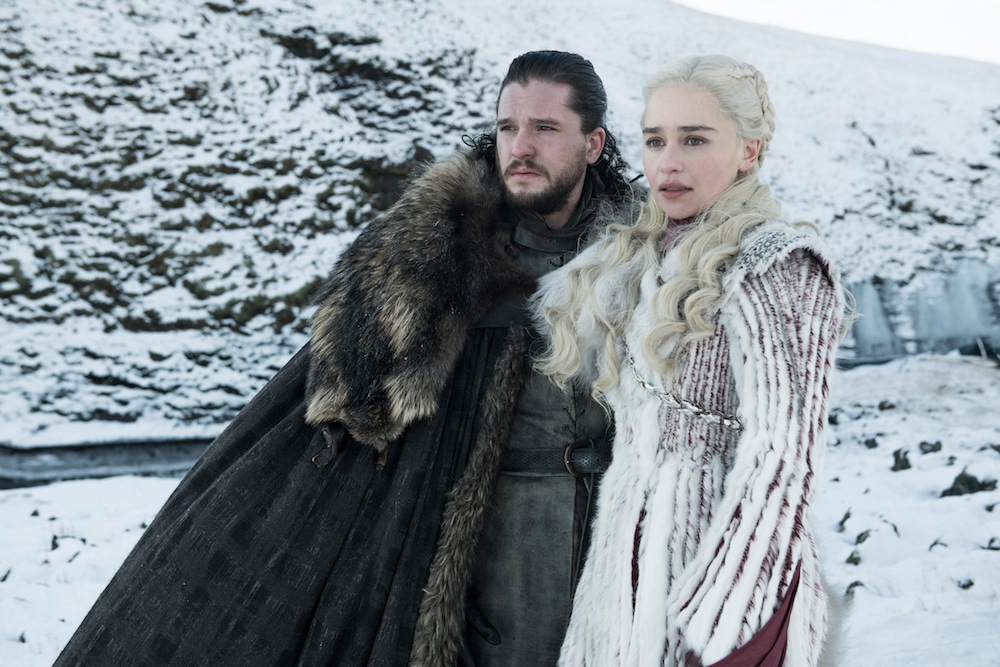
Meanwhile, pop-culture loyalists are driving the change in how creative work is crafted and consumed. You don’t need fans to tell you that the final season of Game of Thrones, shot with no published books to fall back on, was awful. But you do need a vocal minority of fantasy-world enthusiasts to petition George RR Martin to hurry up with the next installments in the book series, and to tell HBO to reshoot.
Fans are also the reason so many shows and films today are stuffed with inside jokes, crossovers, Easter eggs, foreshadowing, and recreations of the memes they’ve inspired. To know how much damage these meta-references can do, try watching an old episode of The Simpsons. None of it makes sense. And you’ll wonder how many of our much-loved, much-fought-over offerings will be comprehendible to future generations.
You’ll also wonder, if you do watch Snyder’s Justice League, whether this sumptuous sweeping story was really built from footage salvaged by a disappointed director. For superfans, who carry the baggage of DC-Marvel rivalry, memorise marketed backstories and serve as unpaid ambassadors for entertainment franchises, the #SnyderCut is the ultimate reward. It’s a new film that improves upon an old film, sold on the premise that there existed an original story all along.


