
 E-Paper



Tales from the crypt: Why murder mysteries refuse to die

 Prefer HTon Google


Whodunit? Why do we care? Murder mysteries remain one of the most popular genres in literature, TV, movies, podcasts. Take a tour of the evolving crime scene.
A murdered celebrity. An obsessed investigator. A blind psychic. Mysterious and maddening clues. A lone witness. A shocking twist, even more shocking revelations. Tragedy, as the investigator discovers the murderer he is chasing is... himself.
This may sound like any of the darker and edgier “psychological” thrillers churned out in recent years. What it is, is the outline of Sophocles’s Oedipus Rex, a play first performed in 429 BCE.
Murder, as Raymond Chandler once said, has been going on too long for it to be news. And yet, it is.
Tales of Blood
From Cain killing Abel in the Bible to Set’s murder of Osiris in Ancient Egypt and the Gongan crime dramas of 13th-century China, tales of murder have fascinated us for millennia. Shakespeare revelled in murder (think of Macbeth, Julius Caesar, or the bloodbath that is Titus Andronicus). The obsession with the Ratcliffe Highway murders of 1811 spurred Thomas De Quincey to write On Murder Considered as One of the Fine Arts, in 1827.
And then came the inflection point, in 1841, when the first modern detective story, Edgar Allan Poe’s The Murders in the Rue Morgue, featuring the detective C Auguste Dupin, made its appearance in the pages of Graham’s Lady’s and Gentleman’s Magazine. It was an immediate sensation, and was widely translated. One of its translators was a young Frenchman named Charles Baudelaire, and his translations inspired Emile Gaboriau to write L’Affaire Lerouge, which introduced Monsieur Lecoq, the first police detective in modern fiction.
(Poe, of course, remains popular. Netflix’s sensational miniseries, The Fall of the House of Usher, released earlier this month, is based on his short story of the same name. Elements of his poems and tales are artfully woven into its eight episodes, each of which is named, in fact, after a different Poe classic.)
By the mid-1840s, things were heating up. A cooper named Allan Pinkerton chanced upon a group of counterfeiters in the woods near his Illinois home, and reported them to the local sheriff. By 1849, he was Chicago’s first full-time police detective.
By 1850, he had quit the force and, along with lawyer Edward Rucker, founded the Pinkerton National Detective Agency, an organisation whose operatives appear in books by authors ranging from Arthur Conan Doyle and Alistair MacLean to Gore Vidal and Ian Fleming.
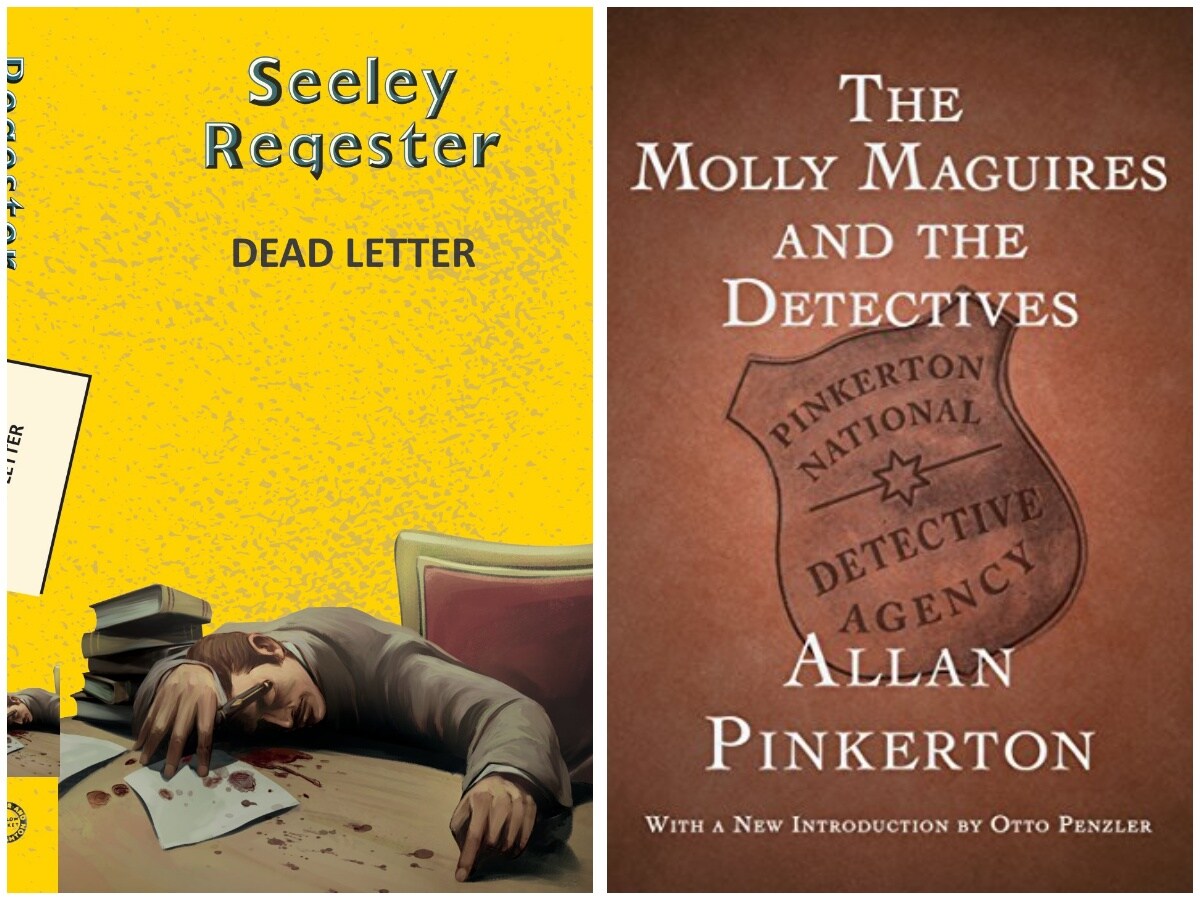
Pinkerton was a hugely popular author himself and wrote a series of books, ostensibly based on his own exploits — from foiling a plot on US President Abraham Lincoln’s life to union-busting (a tradition that continues to the present day; Amazon hired the Pinkertons, now part of security conglomerate Securitas, to spy on their employees for signs of union activity).
Meanwhile, in 1866, Seeley Regester, the New York-based queen of the dime novel, published The Dead Letter, often called the first murder mystery written by a woman. In 1868, Mary Fortune began her long-running series The Detective’s Album, featuring the fictional detective Mark Sinclair, in the Australian Journal. The series would run for 40 years, until Fortune’s failing eyesight made her unable to write anymore.
True Detective
By the time Arthur Conan Doyle wrote A Study in Scarlet, the murder mystery was a long-established genre. Both Lecoq and Dupin were familiar and well-loved figures. But they were also the old gods, to be taken down by their successor: Sherlock Holmes.
Between the gentlemanly sleuth’s first appearance in A Study in Scarlet in 1887 and His Last Bow in 1917, Holmes would become such a sensation that authors around the world would sit up. And a generation of fictional detectives would take shape.
Israel Zangwill, a son of Lithuanian immigrants to London (and the person who popularised the term “melting pot” in the cultural context with his play of the same name) wrote The Big Bow Mystery, one of the earliest locked-room plots, in 1892.
Sexton Blake, a penny dreadful, comic-book version of Holmes (complete with lodgings on Baker Street), created by Harry Blyth under the pseudonym of Hal Meredeth, kicked off a career that has lasted into the 21st century.
Arthur Morrisson’s chubby and cheerful Martin Hewitt made his appearance in 1894. Edgar Wallace’s The Four Just Men in 1905. Maurice Leblanc’s Arsene Lupin also in 1905. Richard Austin Freeman created Dr Thorndyke, the forensic detective, in 1907, also the year Gaston Leroux, famous as the author of The Phantom of the Opera, wrote The Mystery of the Yellow Room.
In 1908, Mary Roberts Rinehart wrote her first murder mystery, The Circular Staircase. GK Chesterton’s priest-detective Father Brown debuted in 1910, in The Saturday Evening Post. By 1913, the genre was so well-established that it spawned its own great satire: EC Bentley’s Trent’s Last Case, an affectionately mocking take on the detective story (Philip Trent misreads all the evidence he collects, then falls in love with a key suspect).
There were also Ellis Parker Butler’s parodies featuring Philo Gubb, who learnt detection through a correspondence course, wears terrible disguises, and murders the English language whenever he speaks.
The Golden Age
Then came the Great War, and after it the Golden Age.
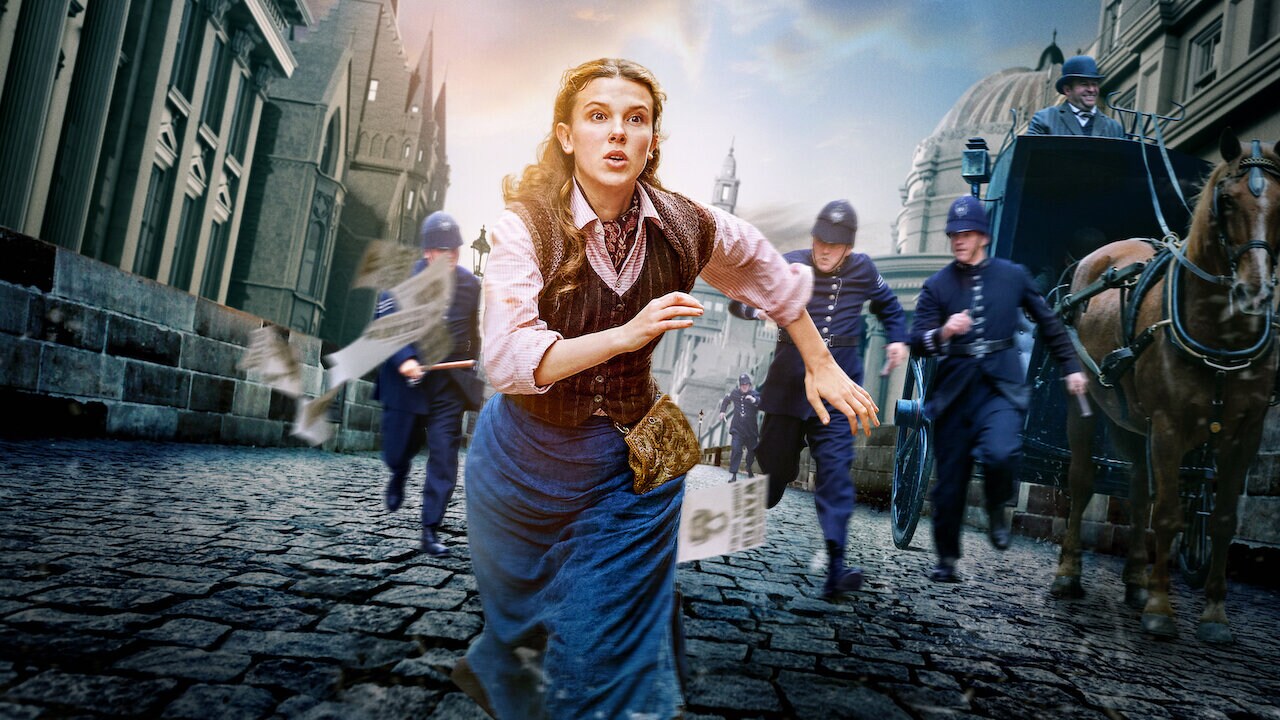
If Conan Doyle and Holmes created the popular murder-mystery tropes, Agatha Christie subverted, averted and inverted them. She wasn’t the only queen of crime in the interbellum years of 1920 to 1940. Great female crime writers at the time include Margery Allingham with her detective Albert Campion; Dorothy L Sayers, who worked with an advertising agency and created Lord Peter Wimsey (think Bertie Wooster with brains); and New Zealander Ngaio Marsh and her Inspector Roderick Alleyn.
This was arguably the time when male writers branched off into the “thriller” space, and the women dominated the classical-murder-mystery genre.
Meanwhile, in America, a revolution had been brewing.
Pulp Fiction
In 1915, at the age of 21, Samuel Dashiell Hammett joined the Pinkerton agency as a detective. He worked there for six years, with time out to serve in World War 1. Wracked by tuberculosis, Hammett quit the Pinkertons and turned his hand to writing.
His first story, The Parthian Shot, came out in the magazine The Smart Set in 1922. Soon, Hammett, with his own real-life experience, was writing detective stories for the Black Mask, run by the journalist HL Mencken also of The Smart Set, and the drama critic George Jean Nathan.
Hammett’s stories featured a short, overweight, unnamed operative who worked for the Continental Detective Agency. In 1929, his first Continental Op novel, Red Harvest, was published. The following year, his most famous one, The Maltese Falcon, came out.
Hammett was hugely influential. Not only because he had actually been a detective and knew the world he was writing about — one of bootleggers and criminals and corrupt lawyers and police officers. But because his spare, lean prose, his ear for the language, and his cast of characters (with names like Big Flora, Whisper Thaler and Paddy the Mex) felt real. They were hard men and women in a recognisably hard world.
In his influential essay The Simple Art of Murder, Raymond Chandler, no slouch in the murder story business himself, would write: “Hammett wrote at first (and almost to the end) for people with a sharp, aggressive attitude to life. They were not afraid of the seamy side of things... He put these people down on paper as they were, and he made them talk and think in the language they customarily used for these purposes.”
Chandler began writing for Black Mask after he lost his job as an oil company executive as a result of his alcoholism and in-office affairs with female employees. He modelled his writing on another Black Mask contributor, a bored lawyer who wrote in his spare time, called Erle Stanley Gardner.
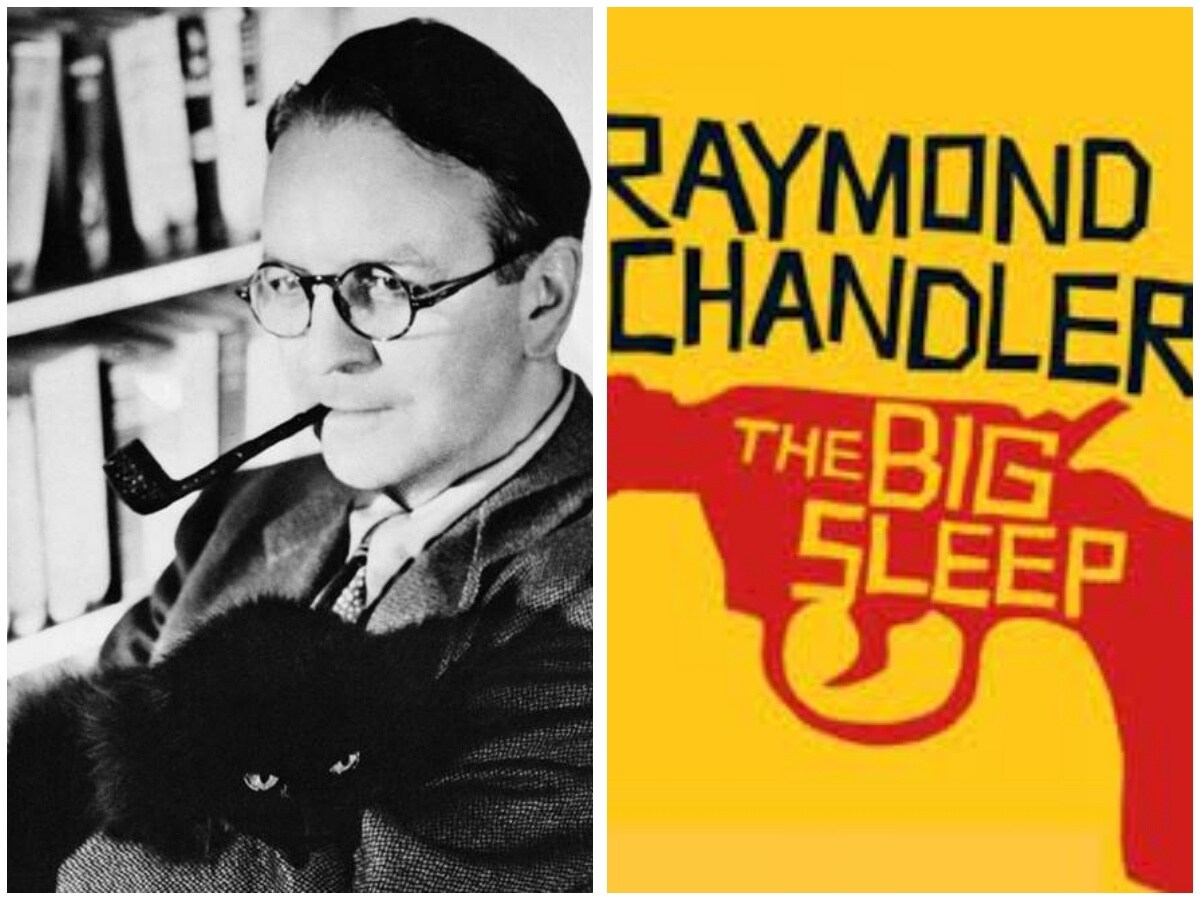
The 1920s and 1930s were especially fertile ground for hard-boiled crime in America.
This was the era of the Great Depression and Prohibition, of larger-than-life gangsters such as Al Capone and Bugs Moran. The early ’30s saw the first great crime films emerge too: Mervyn LeRoy’s Little Caesar, William Wellman’s The Public Enemy, and most famously, Howard Hawks’s Scarface. James Cagney, Edward G Robinson and Humphrey Bogart would build careers in the genre, in a run that lasted all the way through to the Cold War.
Corpses and Robbers
Just as World War 1 changed the direction of the murder mystery, so did World War 2. There was less room for the amateur detective. In came the police procedural, and the courtroom drama. Richard Enright, the New York City police commissioner during the bootleg wars of the 1920s, wrote Vultures of the Dark in 1924 and The Borrowed Shield in 1925, both early examples of the genre. Basil Thomson, the powerful assistant commissioner of Scotland Yard and director of intelligence at the British Home Office, wrote an early procedural too, called PC Richardson’s First Case.
Initially, these tales were more popular as radio and TV shows than as books. Dragnet, the seminal American series, started on radio and made its way to TV, running in various forms from 1949 to 2004. It’s legacy: every cop show there ever was, from Dixon of Dock Green (1955-76) to Brooklyn Nine-Nine (2013-21).
Not that there was any shortage of literary procedurals. There was Scandinavian crime fiction, starting with the procedurals of Per Wahloo and Maj Sjowall in the ’60s and ’70s through to Jo Nesbo and Stieg Larsson today.
Then there was the prolific Belgian-French Georges Simenon (over 400 novels, 75 featuring Inspector Maigret). The equally prolific John Creasey (creator of The Toff, The Baron and other crime fighters) wrote two series of police procedurals, one featuring Inspector Roger West, written after a policeman neighbour challenged him to write books depicting policemen “as they really are”, and another featuring Superintendent Gideon of Scotland Yard. The latter had a successful adaptation into TV, as well as movie by John Ford.
There were several others: Ed McBain (who, among other things, wrote The Blackboard Jungle, which gave us the term “rock and roll”; wrote the script for Alfred Hitchcock’s The Birds; and was PG Wodehouse’s literary agent for a while); Joseph Wambaugh, an LAPD sergeant-turned-writer who developed the hard-hitting crime drama Police Story for television. And of course, James Ellroy, self-proclaimed “Demon Dog” and documenter of the LAPD, whose novels combine fact and fiction in a cocktail of violence and corruption.
The Killer's Allure
Murder as a plot device is a staple of speculative fiction. Alan Moore’s comic-book series Watchmen begins with the murder of a superhero; in many ways, it is a superhero murder mystery.
The events of George RR Martin’s novel series A Song of Ice and Fire are kicked off by the murder of Jon Arryn, the Hand of the King. The Harry Potter saga begins with the murders of Lily and James Potter. In science-fiction, Isaac Asimov’s Elijah Baley and Daneel Olivaw investigate murders in an Earth 3,000 years in the future. Even Dirk Gently’s Holistic Detective Agency is a story of murder and detection.
Data from the research company WordsRated suggests that, as of 2015, the thriller, mystery and crime genres combined are the most popular book genres in the US. More than two-thirds of readers for mystery and crime are women. Agatha Christie remains a steady bestseller.
Maybe we see murder mysteries as puzzles, or we want to see order restored after the chaos of violent death, or we just want to see how a conjuring trick is pulled off.
Maybe it’s about sublimating our own violent instincts. Whatever it is, one thing remains true: Murder, in fiction, is fun.


