
 E-Paper



Data dump: Why Labubus, vampires and Lady Gaga are not signs of recession

 Prefer HTon Google


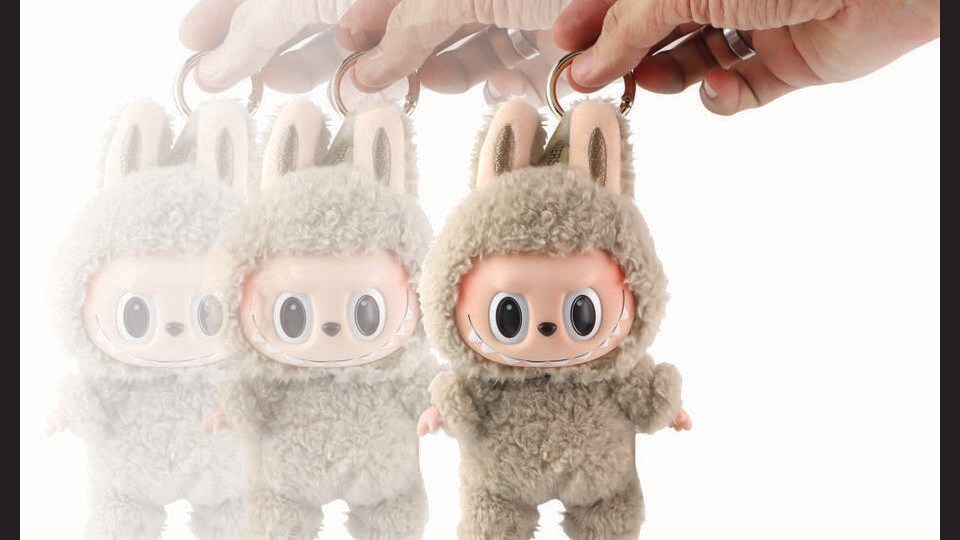
No, vampires, latex and Lady Gaga are not recession indicators. Neither are Labubus. Where are the grown-ups with the real data?
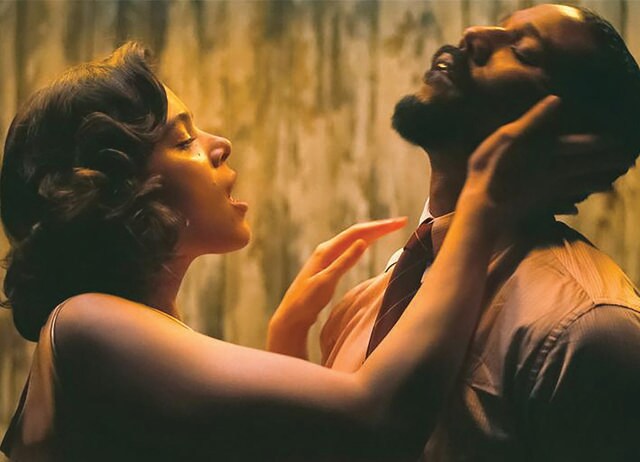
Vampires are back. In Sinners, they’re sexy and menacing. In Nosferatu, they’re just a Gothic hot mess. The last time this happened was with Twilight, right in the middle of the 2008 financial crisis. And notably before that, the Dracula movie that came out in 1931, amid the Great Depression. It’s not correlation. It’s not causation. It’s nothing. And yet, people are convinced that when the fangs come out, it’s a recession omen.
They’re bringing out the psychobabble too. Vampires are a projection of our fears, apparently. And, vampires are basically Wall Street bros: They party all night, date much younger women, draining people’s blood and capital. And they don’t care about rising grocery costs; blood is free, right?
It’s a cute theory. There’s a similar one for werewolves and zombies too. And the Monster Index is only one of the many half-serious recession indicators doing the rounds. Some swear that the return of skinny jeans marks a replay of the 2008 downturn. That Kim Kardashian wiggling back into latex is a financial death knell. Fashion is cyclical – these were bound to return, regardless of the economy.
We’re being told to fear Charli XCX and the return of indie sleaze (ripped tights and messy eyeliner were last spotted when the US housing bubble burst). Kesha, who famously brushed her teeth with a bottle of Jack, is back with a new album. So is Lady Gaga. It’s not an omen. It’s just coincidence.
Besides, the data is inconsistent. Katy Perry was ruling the charts during the last recession, with I Kissed A Girl. She’s back with new music too, but Woman’s World has flopped miserably. We’re in the midst of a Hair Recession (women are wearing messy buns, letting their roots show, and trying out low maintenance styles). We’ve lost the plot so spectacularly, that even Gwyneth Paltrow eating cheese feels like a sign that the end is nigh.
Clearly, this is more of a coping mechanism than actual economics. We desperately seek patterns and signs because we feel so out of control at the moment. But nostalgia isn’t a debt instrument. Gossip Girl and Suits reboots can’t rescue the stock market.

Still, some theories feel a little more grounded. Shorter skirts have neatly coincided with spells of prosperity. There is, alarmingly, a Boxer Index, in which men tend to stop buying new undies during hard times, because they do not consider it a necessity (Ugh!). For a while, the Lipstick Index worked – we really did choose smaller luxuries during tough times, pushing up sales of designer lipsticks, instead of garments. Could the toy of the moment, the Labubu doll, be the lipstick equivalent?
Or is it all just for a great headline – funny, clickable, algorithm-candy? Nobody will share a meme about the Yield Curve or the Leading Economic Index. The Federal Reserve isn’t tracking Gaga’s latest album or the Kardashians’ new outfits. They’re looking at bond yields, inflation rates and consumer sentiment surveys. They track GDP, retail revenue, business spending and unemployment rates. They’re too busy to be offended by lipstick and boxers.
Even then, economists often get it wrong. They admit that well-regarded tools, such as the Yield Curve, can stump them. But that doesn’t mean the pop-culture crystal ball is any better. So, take off the tinfoil hat, keep the skinny jeans on (they do make your bum look good!); for heaven’s sake, refresh your underwear when you need to. And maybe let real experts handle the forecasting?
From HT Brunch, June 28, 2025
Follow us on www.instagram.com/htbrunch


