
 E-Paper



Rude Food by Vir Sanghvi: Indian Accent’s Mumbai debut

 Prefer HTon Google


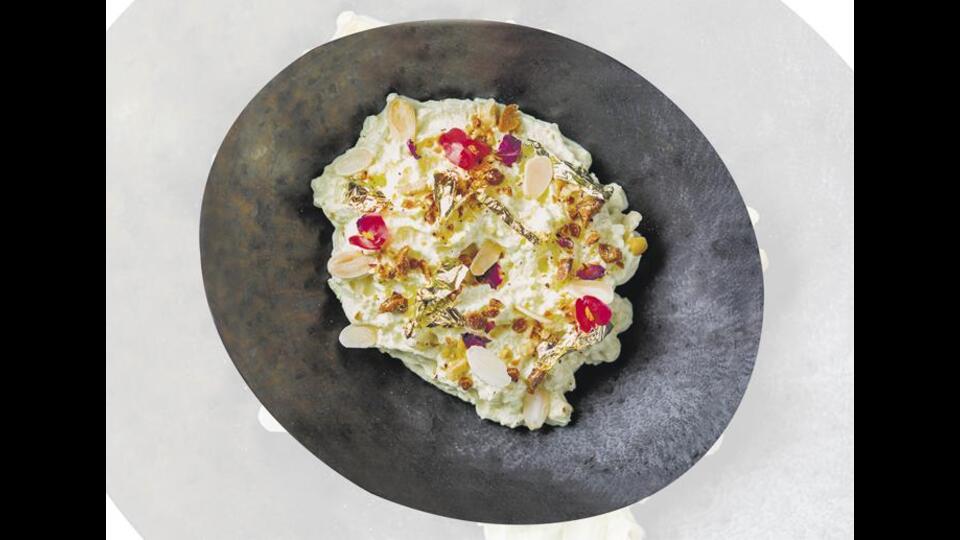
Indian Accent’s new outpost, at the Jio Centre in BKC, features its modern-Indian classics, plus brave new additions that keep Manish Mehrotra ahead of the game
I was at a preview of the stunning new Indian Accent in Mumbai (which may have opened to the general public by the time you read this), and as I tasted the food (on current form: better than the Delhi original), I thought back to the seminal role Indian Accent has played in the development of modern Indian cuisine.
I know because I saw it from the very beginning. It happened this way: I met Rohit Khattar in the 1990s, when he was running Chor Bizarre, a Kashmiri restaurant at the family-owned Hotel Broadway in Delhi. At the time, Chor Bizarre was a revelation: The first real attempt to take authentic Kashmiri cuisine out of the state.
But Khattar, who had studied hoteliering in America, was not content. Way back in the 1990s, when India’s restaurant scene was still fairly basic, Rohit wanted to open all kinds of new restaurants. He landed the contract to run the hospitality/hotel part of the soon-to-be-opened India Habitat Centre in Delhi and planned various then-novel concepts. Then, he was diddled out of the contract, he went to court and finally the Habitat Centre was forced to keep its commitment.
Of the many restaurants Rohit opened, there were some that were ahead of their time. His spa-cuisine/health food restaurant was an unusual addition to Delhi’s restaurant scene. He opened an American diner long before the hamburger boom reached India.
But it was the third one that really shook Delhi up. At that stage, we had lots of Chinese restaurants and a few Thai restaurants. But hardly anyone had attempted a pan-Asian restaurant before. Rohit opened Oriental Octopus and changed the rules. Now, India can’t get enough of pan-Asian places.
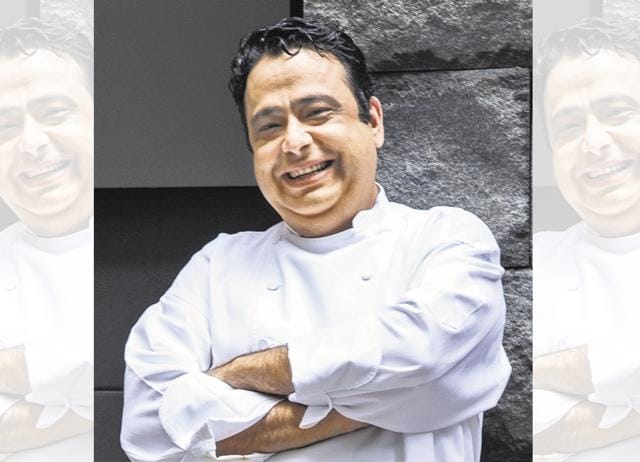
Though I did not know it then, the mainstay of the Oriental Octopus kitchen was a young chef called Manish Mehrotra, who had previously trained at the Thai Pavilion in Mumbai.
Rohit spotted Manish’s talent early on at the Habitat Centre restaurant, and when he opened a club called Tamarai in London, he settled on pan-Asian food (not the best idea in London, where critics are leery of restaurants that try to do more than one cuisine) and sent Manish to be the chef there.
That’s when I first met Manish and ate his food. I knew right away that he was an exceptional talent but at that stage he was still an Oriental chef.
Then, Rohit took the Manor Hotel in Delhi’s Friends Colony on a management lease. The Manor had a lovely restaurant, but it had acquired a reputation as a jinxed location; nearly everything that had opened there had failed. (Including restaurants by the likes of Vineet Bhatia, though possibly the food was ahead of its time.)
Manish expressed a desire to come back to Delhi and to do modern Indian food. Rohit had the Manor space. He decided to take a chance on the idea, even though Manish had no experience of Indian food and the restaurant by Vineet, who had more or less invented modern Indian food in London had not done well.
When the Indian Accent story is told, everyone acts as though it was an overnight success. In fact, it did really badly in the early months. The Manor is tucked away in a residential colony, so you really have to want to go to any restaurant located there. That may have been why the early restaurants failed.
Nor was it clear that India was ready for modern Indian food. Until that point (and remember this was pre-Gaggan Anand and the revolution that was to follow), the chefs who had succeeded doing modern Indian food abroad had to appeal to White people, and so had no choice but to run their restaurants accordingly, with nods to European-style presentation.
Manish’s forte was Thai food. And he was appealing to a largely Indian audience. So not only was his food different from what had come before, it was an uphill struggle to convince Delhi diners that something new and exciting was happening.
I went there soon after it opened and thought the food was very good. But it was a challenge getting people to find the Manor for a chef they had never heard of. After about a year, Manish was so demoralised that he was ready to give up.
But slowly and surely, the tide turned, largely through word of mouth. It helped that Manish won the Foodistan competition on NDTV Good Times. The show was a hit, Manish was clearly the star and this evoked interest in Indian Accent. Then, the international financial community discovered Manish, and soon the dining room was full of private-equity guys and investment bankers.
The rest, as the cliche goes, is history. Indian Accent went on to become the most influential modern Indian restaurant in recent memory. Chefs who trained there now run great Indian restaurants all over the world. Manish is a legend.
Rohit chose to expand abroad. Indian Accent in New York flourishes. A London version shut down when the landlord raised the rent to astronomical levels, but Rohit will probably open another one.
So far at least, all of Rohit’s plans to expand in India have not worked, usually because he is the sort of man who agonises over every deal and only agrees to sign an agreement when he is 100% certain. The Mumbai deal appealed to him instantly because it came from the Ambanis of Reliance, who have been great supporters of Indian Accent and who often get Manish to cook at their weddings and functions.
The Mumbai Indian Accent is located at the brand new Nita Mukesh Ambani Cultural Centre in Bandra-Kurla Complex. Indian Accent is now location-proof: The Delhi original flourishes in a new site near the Lodhi Hotel. But the Mumbai location is hard to beat.
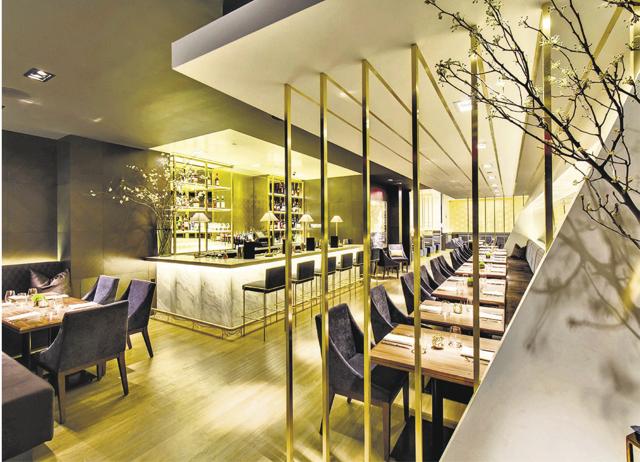
Most restaurants have good tables and bad tables, but this one is so well designed that there are no bad tables. It is glamorous in the evenings and shines at lunch, when sunlight fills the room. It overlooks a spectacular fountain and both parking and access are easy.
Rohit has chosen an Art Deco look for the space, harking back to Mumbai’s jazz-age buildings. He says there was a time when Art Deco was a dominant theme in the city’s architecture and Mumbai had more Art Deco buildings than most cities. That said, he has integrated the Art Deco elements with a sleek modern look.
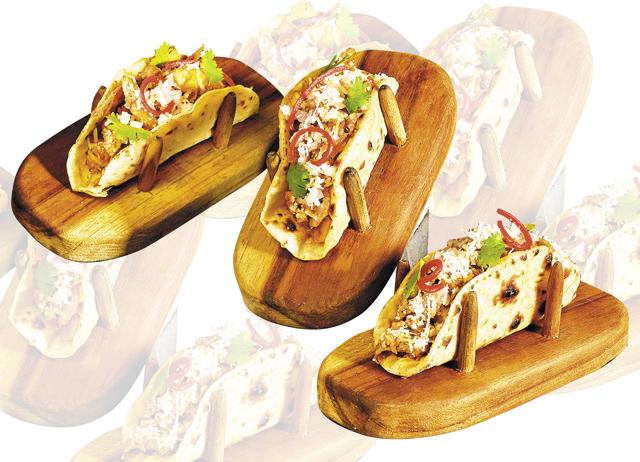
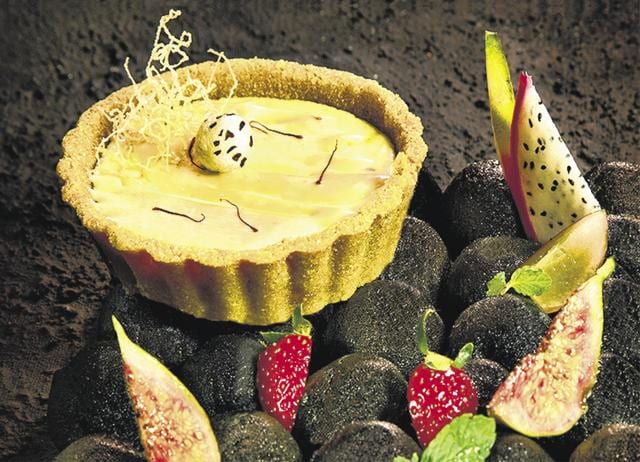
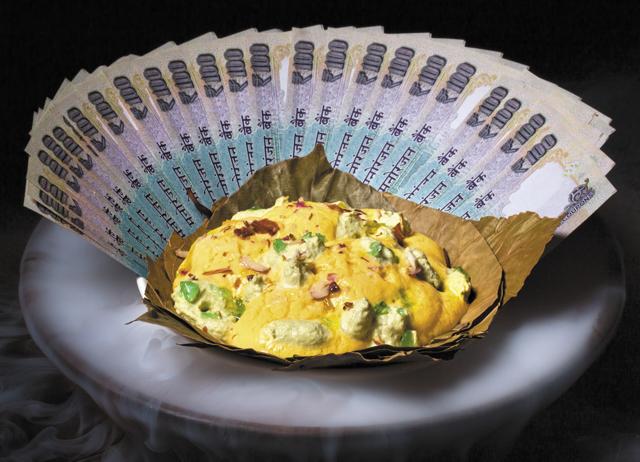
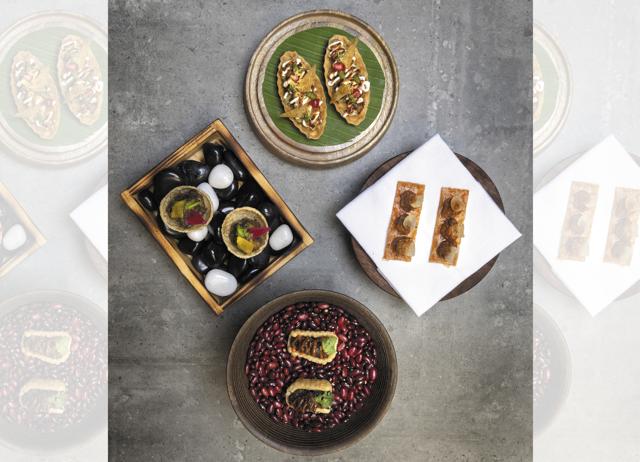
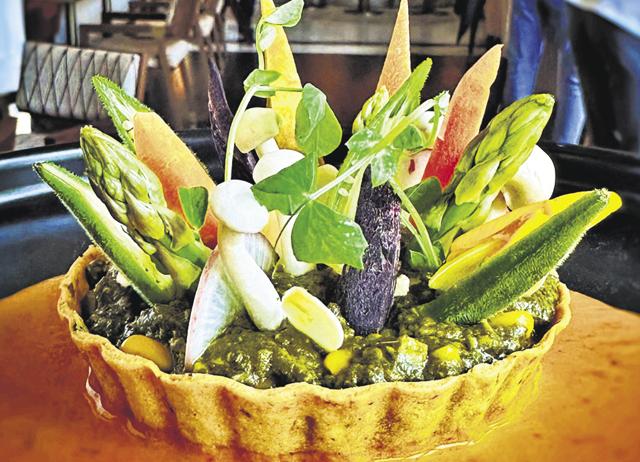
The food is brilliant. The chef is Rijul Gulati who has worked with Manish for eight years, travelled the world with him for pop-ups and who brings his own youthful energy to the cuisine. The Indian Accent favourites are all there (Yes, they do the pickle ribs and the Daulat-ki-Chaat), but there are many new dishes so even if you know the Delhi menu, you will be surprised by this one.
Rohit is on an expansion spree, so there will probably be a Comorin (Indian Accent’s younger brother) by next year in Mumbai and there are offers from all over the world to open new Indian Accents. He says he is in a position to do it now because Manish has trained so many outstanding chefs that his protégés can take his food even further.
Rohit is aware that such chefs as Saurabh Udinia and Himanshu Saini started out at Indian Accent but found fame elsewhere. “The next Himashu will be at an Indian Accent,” he says. “He won’t have to go out to run his own restaurant.”
That’s a long-term goal. In the short term, there’s Mumbai, which is a triumph. If you like good food, there is no excuse for not going there!


