
 E-Paper



Knight fever: As toxic heroes dominate the screen, meet the few good men

 Prefer HTon Google


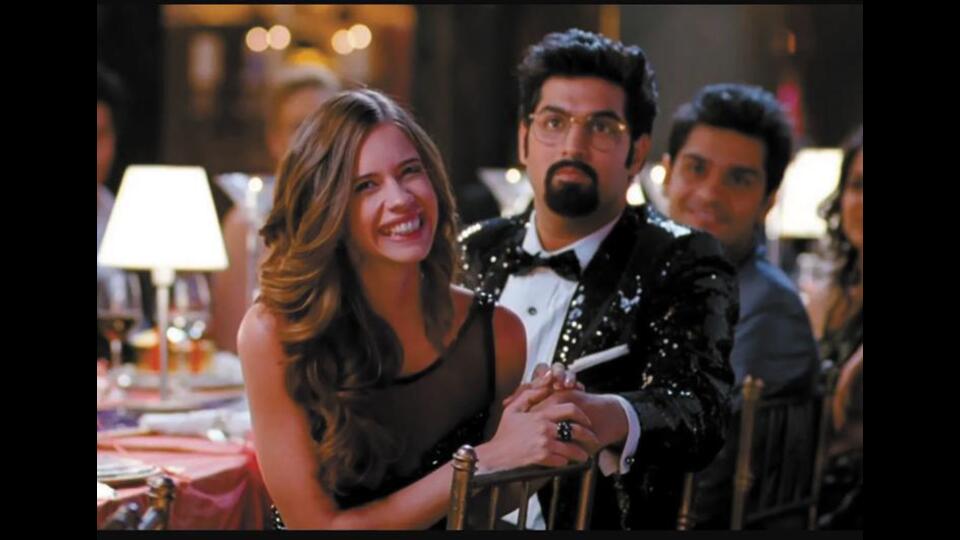
Male characters continue to behave terribly on screen, stalking, chasing and belittling women they claim to love. A few guys are doing it right. Take a look
At least they’re trying. On screen, roles for men are going through a patchy kind of transformation. By the 1990s, some heroes stopped pestering women through the course of a song, until they exasperatedly gave in. For instance, Shah Rukh Khan, playing Raj Malhotra in Dilwale Dulhania Le Jayenge (1995) kept the stalking to the minimum.
The following decade actually found men coming of age in Goa (Dil Chahta Hai, 2001) and hesitantly accepting responsibility (Wake Up Sid, 2009). That same decade had Love Aaj Kal (2009), with two inspiring male characters. Rishi Kapoor was the doting and devoted Veer Singh. Rahul Khanna won everyone’s sympathy after Deepika Padukone abandoned him the day after their wedding.
So, the 2010s rolled in with some hope. Abhay Deol’s Arjun Burman in Aisha (2010) was the stuff of dreams: A man who had his priorities straight and dropped drunk women safely home instead of taking advantage of them. Kunaal Roy Kapur’s Taran in Yeh Jawaani Hai Deewani (2013) actively cared for his partner’s needs.
But the mainstream remains, well, the mainstream.
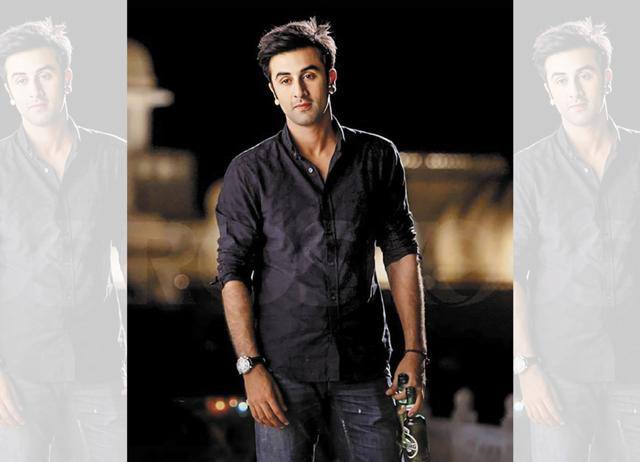
Kartik Aryan’s monologue in Pyaar Ka Punchnama (2011) insinuates that women are crazy and hormonal. Ranbir Kapoor stalks and haunts a happily married woman in Ae Dil Hai Mushkil (2016), because be believes she’s the love of his life. There’s more stalking in Raanjhanaa (2013) and Badrinath Ki Dulhania (2017). Against the avalanche of such toxic behaviour, real heros hardly stand a chance.
But they persist. And when they do play their parts well, it’s a glimmer of hope that things might just be better when the next movie or show plays. Imaad Shah’s Ron in Bombay Begums (2021) actually asks for a woman’s consent before making a move. And when she does not give it, he does what few men on Indian screens do: He backs off.
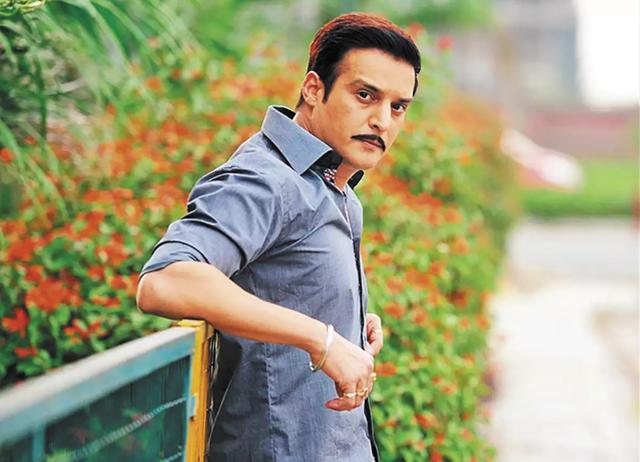
Nice guys don’t always finish last (They don’t need a trophy or a whole song devoted to their niceness either). R Madhavan in Tanu Weds Manu (2011) silently admires his lady love from afar, being polite, until his simplicity wins her over. Jimmy Shergill’s Raja Awasthi sheds his bad guy avatar in the sequel, Tanu Weds Manu Returns (2015), by not resorting to violence or resentment when things don’t go his way, yet again.
Even in the epicentre of the bro-zone – crime thrillers set in the hinterland – there are now examples of men rising above toxic masculinity. In Mirzapur (2018-) Vijay Varma’s Chhote/ Shatrughan Tyagi and Vikrant Massey’s Bablu Pandit are both gentle, soft and considerate men, despite coming from violently misogynistic households. There’s Savinderpal Vicky’s Balbir Singh in Kohrra (2023), who makes peace with his daughter’s choice of lover. Pankaj Tripathi is the best on-screen father as Anup Saxena in Gunjan Saxena: The Kargil Girl (2020), encouraging his daughter’s dreams in a small town in UP, despite taunts from relatives and his own wife.
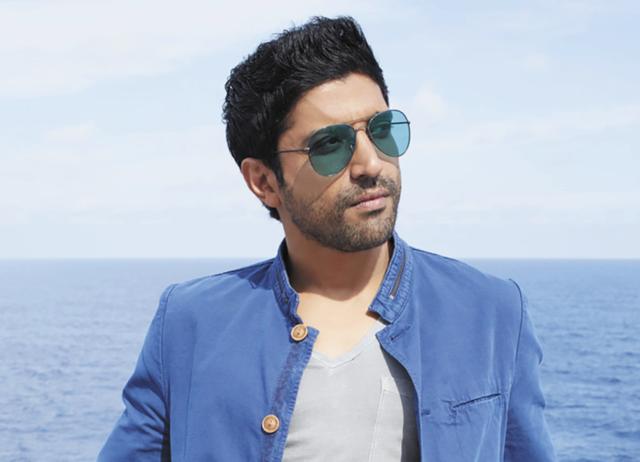
Elsewhere, men are being nudged out of their narrow definitions of masculinity. In Tarla (2023) Nalin Dalal, played by Sharib Hashmi, has to spell out that it is perfectly okay for a man to have his wife wear the financial pants in the house. In Dil Dhadakne Do (2015) Farhan Akhtar has to point out over several lines, that a a married woman can have a career and make decisions independent of her husband. In Season 1 of Made in Heaven, a father needs a whole scene to tell the world (and the viewers) that he’s all right with his son coming out gay, in complete contrast to his wife’s denial. Perhaps we’ll stem that avalanche yet.


