
 E-Paper



Visible proof: Nagaland actor Andrea Kevichüsa sets her sights on the world

 Prefer HTon Google


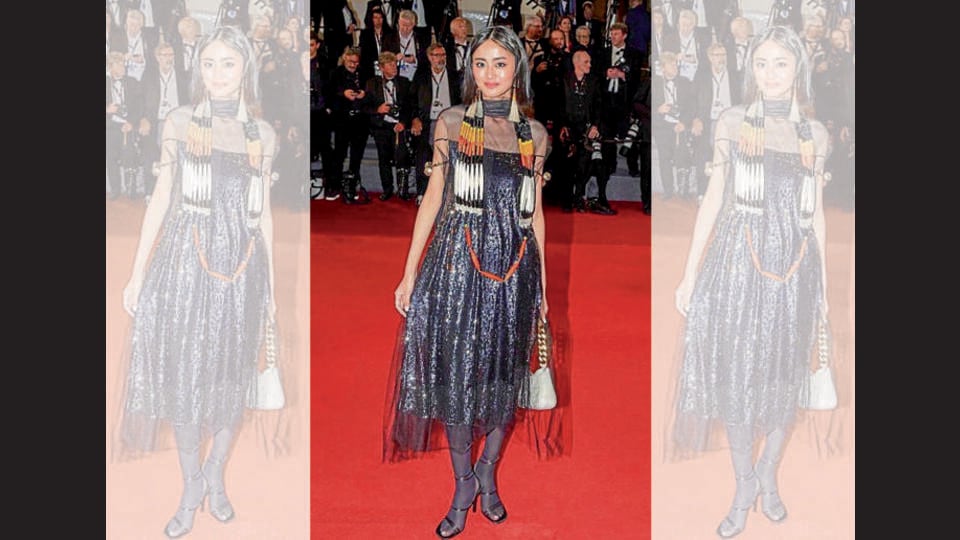
Andrea Kevichüsa attended the Cannes Film Festival, won a Filmfare award and hopes to tackle the problem of discrimination towards actors from the North-East
Andrea Kevichüsa had her BA (Hons) English exams last month. She skipped them. She had the perfect excuse. The 22-year-old Naga model and actor was attending the 2023 Cannes Film Festival. “Not everyone gets such huge opportunities. It was my responsibility to make the most of it. And do it right,” says Kevichüsa.
So, Kevichüsa paired a black dress by Indian brand, Moonray, with a traditional Nagamese layered beaded neckpiece, educating the world about representation and diversity instead. The look earned praise from Instagram’s anonymous and hard-to-please fashion account @DietSabya. It also made fans proud. “Representing the diversity of India. Glad to see you wearing Naga accessory. Perfectly carried,” wrote one Instagram user in the comments under her Cannes post. “Isn’t this the proudest moment for our state! Congratulations dear,” gushed another.
Kevichüsa is having a good year. In April, she won the Filmfare award for Best Debut Female, for her role as a boxer in the action/thriller Anek (2022) opposite Ayushmann Khurrana. She’s the first woman actor from the North-East to win.
There’s pride, but also surprise. This wasn’t part of the plan. Growing up in Nagaland’s capital Kohima, the youngest of five sisters, and attending a Catholic girls’ school, Kevichüsa wanted to be a doctor. “I had a very Sunday-school-girl vibe,” she says, describing a childhood spent with her head burrowed in books.
It was only after she moved to Shillong in 2016 to study that life offered a pivot. She was 15, posting the usual selfies on Instagram, when she was spotted by a talent agency. She ended up modelling couture for Sabyasachi and featuring in top film and fashion magazines. By the time she’d turned 18, Bollywood came calling, with Anek.
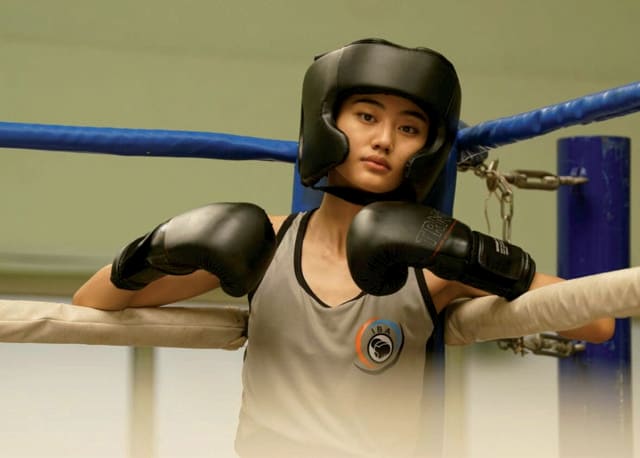
Anubhav Sinha’s film is about an undercover officer (Khurrana), dispatched to the North-East to broker a peace deal between the local government and separatist groups. Kevichüsa plays Aido, a boxer who wants to represent India, while her father is one of the separatists. It’s a world away from how mainstream cinema typically portrays Indians from the region. Films from earlier decades have typically presented them as guards and househelp or cooks. With Anek, she has to train in boxing, Hindi and acting. It was a full plate.
Kevichüsa didn’t expect to win an award for playing Aido. “To be nominated itself was huge,” she says. She didn’t even prepare an acceptance speech. The win, however, has turned her into something bigger than a good performer. India’s Ministry of Information and Broadcasting picked two representatives from each North-East state as part of its official delegation to Cannes. Kevichüsa was one of them.
“I hope it opens doors for people in the North-East because there is so much talent back home,” she says. Kevichüsa also hopes it will tackle the problem of discrimination. When she moved to Mumbai a few years ago, she faced everything from reluctant landlords, and slurs that linked her to China and the coronavirus. Luckily, says Kevichüsa, “I have a great support system in my family, and being in the fashion industry since I was really young also helped me develop thicker skin.”
Actors from the North-East still face stereotyping when it comes to bagging lead roles in mainstream commercial cinema. “It’s an ongoing effort and conversation,” says Kevichüsa. “Even on Instagram, for brands to be working with faces that weren’t used in campaigns earlier, is a big thing. It’s important to be represented.”
And represented internationally. Kevichüsa has signed up with modelling agencies in New York, Japan and a few European countries. She also wants to finish college. A global platform, she believes, will take her face, and her community to a bigger audience. “And who better to tell our story than us?”


