
 E-Paper



Stylish, sustainable and still within budget? We show you how

 Prefer HTon Google


There really is no option
There really is no option. The fashion industry – everything from designer lehengas and embellished gowns to printed PJs and you new favourite jeans – is now focusing on the sustainable. Organic fabric, natural dye, fair-trade materials, low-polluting processes, small-batch manufacturing. But sustainable shopping is often not-so-sustainable on the wallet. How does one do right by the Earth and by one’s budget?
Stylist Divyak D’Souza and Kirti Poonia, co-founder of online thrifting platform Relove.in, offer tips on staying chic and conscious on the cheap.
Pick smartly, even at the mall: Fast-fashion brands are notorious for violating pollution norms, overusing water, making everything (even mistakes) in gigantic batches, underpaying garment workers and branding it all as eco-friendly. If you absolutely must shop from them, let it be for natural materials. A cotton outfit, at least, will decompose faster than polyester.
Buy from factory outlets: It’s one way to reduce manufacturing surplus that typically ends up in a landfill. Many fashion brands throw away stock that has even a minor, unnoticeable flaw and many stores sell it, with labels removed, for cheap. It takes the sting and guilt out of patronising big brands.

Spend more on everyday wear than festive wear That crystal-dusted ghagra choli or sherwani that you bought for your brother or sister’s wedding won’t serve you as often as a well-fitted shirt that gives you an edge at work. “It makes sense to spend more on garments that you will wear more often,” says Poonia.
Shop mindfully: The fashion industry thrives on your interest in short-lived trends. So most brands make low-quality items that look tired after a few washes. Flip the story by building a wardrobe that consists of fewer garments that last longer. Buy an outfit only if you’re convinced you’ll wear it at least 30 times. And invest in styles that pull double duty. “A white oversized shirt or kaftan that can be worn with a jacket, a dupatta, a brooch or just chunky jewellery offers greater use too,” says D’Souza.
Shop your stash: Back in the 1930s, the average woman owned roughly nine outfits, says Poonia. Women today own about 67. And most of us don’t even wear everything we have. Poonia suggests we mix, match and get more wear out of the items we already own. D’Souza believes that a single cupboard, if filled with well chosen, high-quality, coordinated pieces, will hold enough to serve a man or woman’s style needs. “Don’t shop out of habit,” he says.
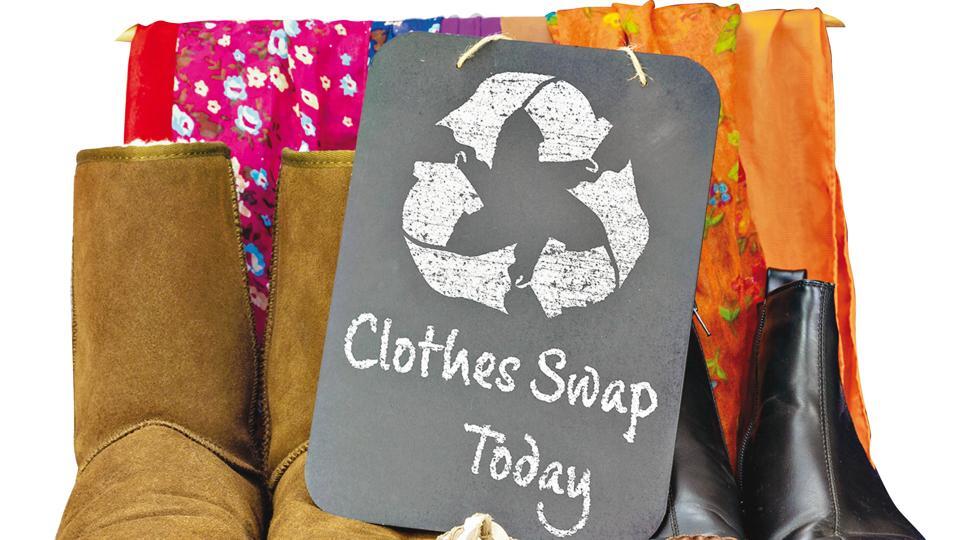
Go thrifting: Online thrifting in India is growing quickly, with pre-loved couture and pret labels (often with price tags intact) finding determined buyers. Consider setting time aside to shop for second-hand outfits at a thrift sale. It ensures that the clothes do not end up in a landfill for another couple of years.

Collaborate with a tailor: It’s a stylist’s and fashionista’s best-kept secret. A good tailor will be able to alter an outfit’s size, fit, length and trimmings. So you have more to pick from when and expensive sustainable brand goes on sale. A tailor will also be able to replicate a well-fitting shirt or trouser you own and love, using handlooms and handcrafted textiles. It’s a great way to support artisan and local tailoring businesses. “The practice will also help you find your unique style, instead of blindly following mass trends,” he adds.
Exercise your right to repair: “Learn how to stitch loose buttons and torn seams instead of throwing the whole outfit away,” says Poonia. “Get an artist to hand-paint your black T-shirt or add a patch of embroidery to your old trousers. There are many ways to upcycle at a fraction of the cost of buying a new outfit,” says D’Souza. And lightly handwash garments if they are not too dirty – washing machines are often too harsh. Keep fabrics away from harsh sunlight so they don’t fade. It’s how stylists manage to look chic even in vintage clothing.
From HT Brunch, February 4, 2023
Follow us on twitter.com/HTBrunch
Connect with us on facebook.com/hindustantimesbrunch


