
 E-Paper



Can anti-inflammatory diets cure arthritis? Orthopaedic surgeon Dr Akhilesh Rathi separates fact from online myths

 Prefer HTon Google



Can cutting out certain foods cure arthritis? Dr Rathi explains the facts behind anti-inflammatory diets and what really helps joint health.
Anti-inflammatory diets have become one of social media's biggest wellness trends, with influencers and health enthusiasts touting certain foods as natural remedies for everything from joint pain to arthritis. Turmeric lattes, ginger shots, seed cycling, and cutting out gluten, dairy, or nightshade vegetables are often promoted as ways to reduce inflammation, reverse arthritis, or even replace medication.
Also Read | Heatwaves causing muscle cramps? Experts share symptoms that indicate it could be more than dehydration
As more people look for natural alternatives to manage chronic joint pain, these claims continue to gain momentum, often stripped of the scientific nuance behind them. While nutrition plays an important role in supporting overall health and may help manage inflammation, experts caution that no single food or diet can repair damaged joints or cure arthritis.
To separate fact from fiction, HT Lifestyle spoke with Dr Akhilesh Rathi, Director of Robotics, Joint Replacement and Orthopaedic Surgery at Sri Balaji Action Medical Institute, Paschim Vihar, New Delhi, and Founder of Rathi Orthopedics and Spine Clinic in Dwarka, New Delhi. He explains that a healthy diet is just one component of joint care and works best when combined with regular exercise, weight management, and appropriate medical treatment.
The surgeon highlights, “Patients increasingly come to me after watching videos or reading social media posts claiming that a particular diet has cured someone's arthritis. While healthy eating can help reduce inflammation and improve overall health, there is no single food or diet that can reverse arthritis. It should always be viewed as one part of a comprehensive treatment plan that includes exercise, weight management, and medical care.”
What is an anti-inflammatory diet?
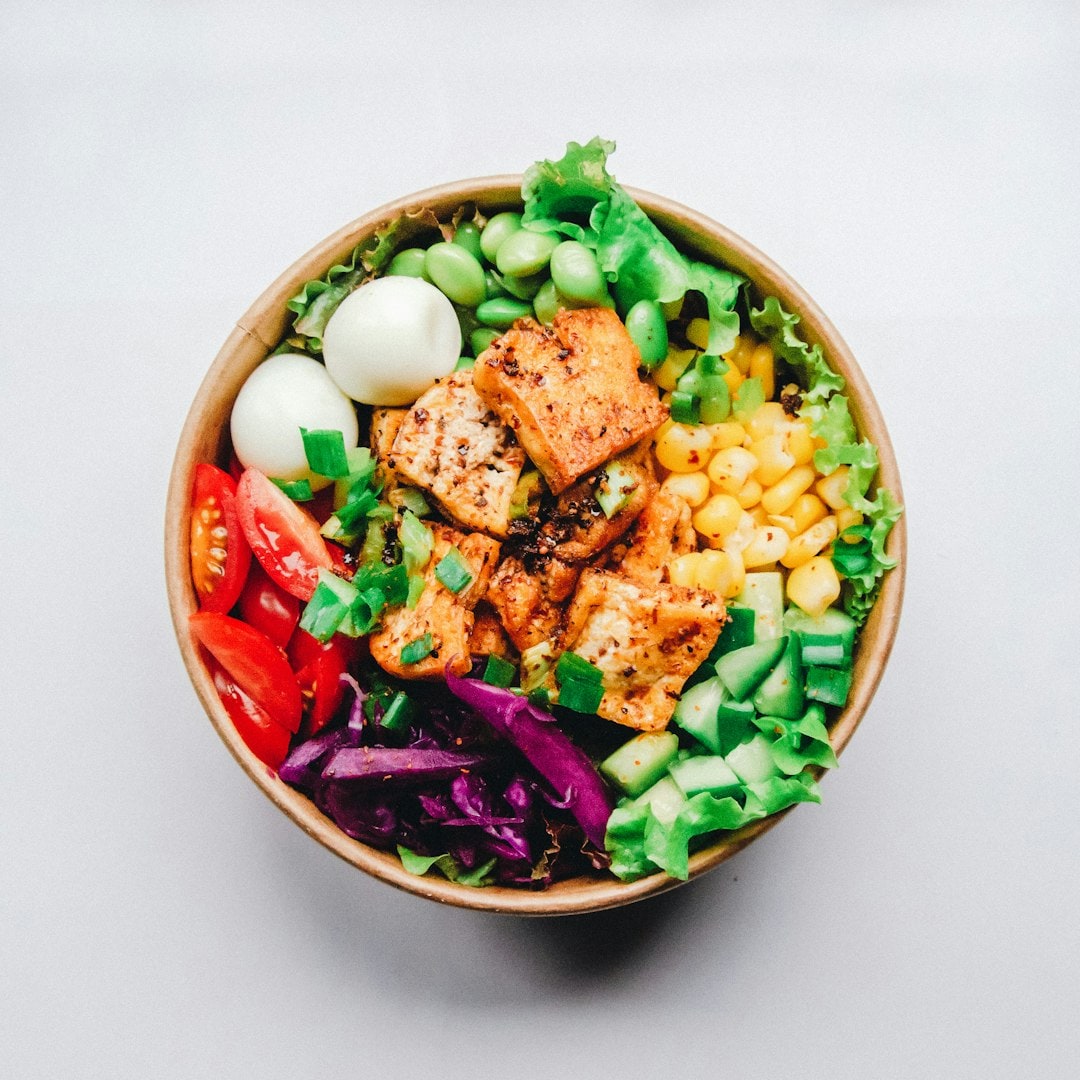
According to Dr Rathi, an anti-inflammatory diet focuses on foods that help reduce chronic, low-grade inflammation in the body. He explains, “Rather than following a restrictive eating plan, it encourages a balanced intake of vegetables, fruits, whole grains, legumes, nuts, seeds, healthy fats such as olive oil, and omega-3-rich foods like fatty fish. At the same time, it recommends limiting ultra-processed foods, sugary drinks, refined carbohydrates, and excessive saturated fats, which may contribute to inflammation over time.” The surgeon also adds that while these eating habits support overall health, their impact on arthritis is often misunderstood.
What does research say?
Research suggests that healthy dietary patterns may help reduce inflammatory markers in the body and improve symptoms such as stiffness and joint discomfort, particularly in people living with inflammatory arthritis. However, osteoarthritis – the most common form of arthritis – is largely a wear-and-tear condition influenced by ageing, previous injuries, genetics, excess body weight, and muscle strength. Diet alone cannot regenerate damaged cartilage or repair worn-out joints.
Dr Rathi notes, “One of the biggest benefits of an anti-inflammatory diet is that it often helps people achieve and maintain a healthier weight. Even a modest reduction in body weight can significantly decrease the load on weight-bearing joints like the knees and hips, leading to meaningful improvements in pain and mobility. That benefit is backed by stronger evidence than many of the viral food trends circulating online.”
Foods that can support joint health
Instead of chasing miracle ingredients, Dr Rathi recommends focusing on building sustainable eating habits. He suggests the following:
- Fill your plate with colourful fruits and vegetables: These provide antioxidants, vitamins, and plant compounds that help combat oxidative stress and support overall health.
- Include healthy fats: Foods rich in omega-3 fatty acids, such as fatty fish, flaxseeds, and walnuts, may help reduce inflammation and are beneficial for heart and joint health.
- Choose whole grains over refined carbohydrates: Whole grains provide fibre that supports gut health and may help regulate inflammatory responses.
- Prioritise lean protein: Adequate protein helps maintain muscle mass, which is essential for protecting and supporting joints, especially as people age.
- Stay hydrated: Good hydration supports normal body functions and complements an active lifestyle, though it is not a cure for arthritis.
Beware of diet myths!
According to Dr Rathi, “Many online influencers recommend avoiding tomatoes, potatoes, dairy, or gluten to ‘cure’ arthritis. Unless a person has a diagnosed allergy, intolerance, or medical condition such as coeliac disease, there is little scientific evidence that eliminating these foods routinely improves arthritis symptoms. Similarly, expensive supplements and detox diets are often promoted with dramatic claims but lack robust scientific backing. Restrictive diets may even lead to nutritional deficiencies if followed without professional guidance.”
For people living with arthritis, the greatest improvements usually come from combining healthy eating with regular physical activity, strength training, maintaining an appropriate body weight, taking prescribed medications when necessary, and seeking timely medical evaluation. No diet can replace these fundamentals.
The surgeon sums up, “Think of food as a long-term investment in your joint health rather than a quick fix. A balanced diet can reduce overall health risks and support better mobility, but lasting arthritis management comes from combining smart nutrition with exercise, weight control, and evidence-based treatment – not from viral diet trends."
Note to readers: This article is for informational purposes only and not a substitute for professional medical advice. Always seek the advice of your doctor with any questions about a medical condition.
Dr Akhilesh Rathi is a highly experienced joint replacement and trauma surgeon with over 20 years in practice. Specialising in robotic joint replacements and arthroscopy, he is the Director of Orthopaedics at Sri Balaji Action Medical Institute in Paschim Vihar, Delhi.


Catch your daily dose of Fashion, Taylor Swift, Health, Festivals, Travel, Relationship, Recipe and all the other Latest Lifestyle News on Hindustan Times Website and APPs.


