
 E-Paper



Is your dog 5 years or older? Veterinarian shares 5 steps to protect your fur baby's joints from arthritis

 Prefer HTon Google


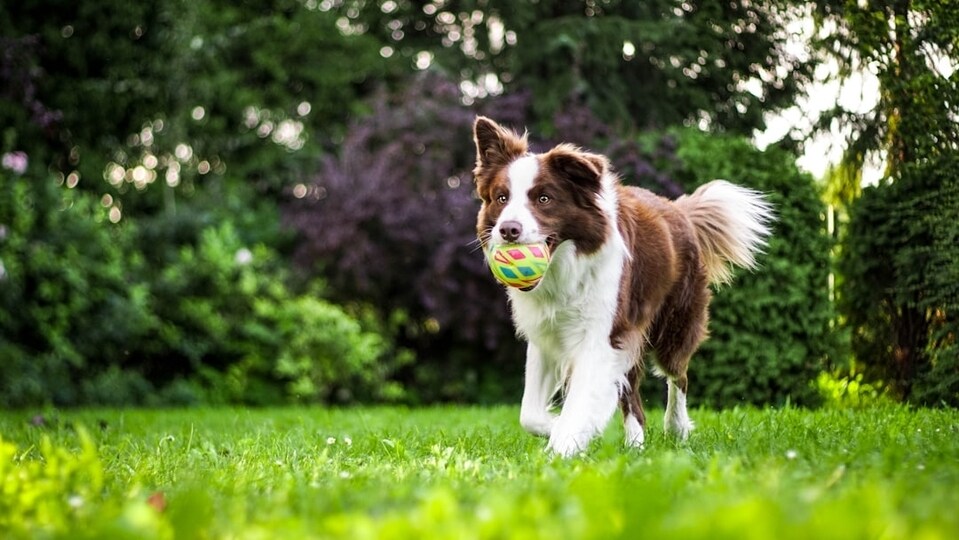
As your fur babies get older, it is important to stay on top of their health. Dr Anwary shares steps to protect dogs aged five years or older from joint issues.
Pets often become cherished members of the family, and as they grow older, keeping their health in check becomes essential to ensuring they live long, comfortable and active lives. Just like humans, ageing dogs can become more vulnerable to joint problems and mobility issues, with conditions like arthritis developing gradually over time. The good news is that a few simple lifestyle changes and preventive measures can go a long way in protecting their long-term joint health and helping them stay active well into their senior years.
Dr Amir Anwary, a South Africa-based veterinarian and animal health educator popularly known as Amir the Vet on social media, is highlighting key ways pet owners can protect their dogs’ long-term joint health, preserve mobility and reduce the risk of arthritis as they age. In an Instagram video shared on May 19, the veterinarian outlines five important steps owners can take to help safeguard dogs aged five years and older from developing arthritis and joint-related issues.
Keep them lean
According to Dr Anwary, the first step is to keep dogs lean, as excess weight places additional strain on their joints and can accelerate wear and deterioration over time. He recommends carefully monitoring their food intake and, if necessary, putting them on a controlled diet to help maintain a healthy weight and reduce pressure on their joints.
He explains, “So, if they're even slightly overweight, that increased weight is going to put more pressure on the joints and increase the rate at which the joints deteriorate. So, you want to make sure that their weight is correct. Put them on a diet if you have to. Calculate the food you're feeding them. Make sure they are the correct weight.”
Consistent exercise
Dr Anwary also stresses the importance of consistent exercise for maintaining joint health in dogs. He recommends regular, controlled walks or low-impact activities like swimming as part of a steady routine. Keeping a dog largely sedentary indoors throughout the week and then suddenly subjecting them to intense physical activity, such as long hikes on weekends, can put excessive strain on their joints.
The veterinarian explains, “Next is consistent exercise. So, this means regular controlled walks that are predictable and even swimming is a great form of exercise. But don't let your dog be a couch potato for the whole week and then take them on an intense hike on the weekend. That is absolutely terrible for their joints. So try to ensure that it is consistent, predictable exercise.”
Improve home environment
Dr Anwary also suggests making small changes around the house to better support your pet’s joint health. Slippery floors can put additional strain on their joints and increase the risk of slipping, while carpets and rugs provide better grip and make movement easier and safer. He also recommends installing ramps for beds, sofas or other elevated areas, as this helps reduce the impact and pressure caused by frequent jumping.
He highlights, “So slippery floors, for example, are a common cause of joint stress. So if you have slippery floors, use carpets and rugs to cover them so your dog doesn't slip. And if you have a dog that loves jumping on the couches, use a ramp so that they don't jump because every jump is going to put more pressure on those joints.”
Joint support nutrients
The veterinarian recommends introducing joint-support supplements early, even before dogs begin showing any visible symptoms of joint problems, as a preventive measure rather than a treatment. He suggests using a combination of omega-3 supplements and joint-support formulas to help maintain mobility, reduce inflammation and support long-term joint health.
He notes, “I use a combination of an omega-3 supplement and a joint support supplement. The combination of these two act as a natural anti-inflammatory which decreases joint degeneration and it assists with building up of the joint. So, you want to start these before your dog shows any symptoms because this is more of a prevention rather than a cure.”
Start treatment early
Dr Anwary emphasises the importance of being proactive when it comes to joint health, encouraging pet owners to begin joint-support care early rather than waiting for visible symptoms to appear. According to him, by the time dogs start showing signs of discomfort or mobility issues, joint degeneration has often already been progressing silently for a year or more.
The vet stresses, “Most dog owners will start treating their dogs when they're already showing symptoms. And at this point, the joint degeneration has already been going on for maybe even up to a year. So if you know that your dog is at risk, if they're a large breed dog, if they're a very active dog, or if they're a dog that's getting older, start them on joint support earlier rather than later. Be proactive.”
Note to readers: This article is for informational purposes only and not a substitute for professional medical advice. It is based on user-generated content from social media. HT.com has not independently verified the claims and does not endorse them.


