
 E-Paper



Weak knees at 40? Orthopaedic surgeon explains 4 keys reasons behind premature knee arthritis, shares prevention tips

 Prefer HTon Google


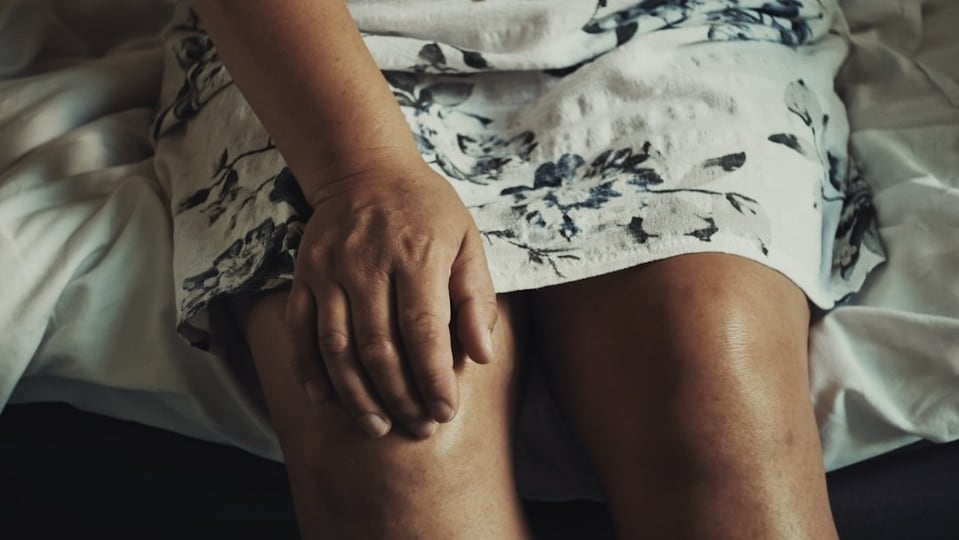
The knees are among the most underrated joints, which are responsible for bearing your entire body weight – Dr Rathi explains why knees start weakening early.
Our knees are one of the body’s most hardworking joints, silently carrying our entire weight and enabling everyday movements – from walking and climbing stairs to simple daily tasks. Yet they often go unnoticed until pain begins to interfere with mobility. In recent years, knee discomfort has become increasingly common, especially among older adults, with osteoarthritis emerging as one of the most widespread joint conditions in India.
Also Read | Orthopaedic surgeon shares 5 reasons why women develop knee pain after 45 and shares ways to prevent it
Experts warn that cases are rising steadily, but the encouraging news is that many of the underlying causes are preventable. With timely awareness and a few lifestyle changes, it may be possible to protect knee health and reduce the risk of long-term joint damage.
HT Lifestyle reached out the Dr Akhilesh Rathi – the director of robotics, joint replacement, orthopaedics and sports injury at Sri Balaji Action Medical Institute, Paschim Vihar, and the founder of Rathi Orthopedics and Spine Clinic in Dwarka, New Delhi – to gain his expert insights on the matter.
He explains, “Our knee joint works like a smooth mechanical hinge. The ends of the bones are covered with cartilage – a soft, shock-absorbing layer that allows painless movement. When this cartilage gradually wears out, the bones start rubbing against each other. This leads to pain, swelling, stiffness and sometimes the frightening feeling that the knee may give way while walking. Medically, this is called osteoarthritis.”
Why knees start failing
Dr Rathi highlights, “Earlier, knee arthritis was mostly seen after 60 years of age. Today I routinely see patients in their 40s and even late 30s. The reason is not fate – it is lifestyle.” He outlines the following reasons for prematurely weaker knees:
1. Excess body weight
Increasing body weight places additional strain on the knees. Dr Rathi highlights that every extra kilogram of body weight can translate to nearly three times that load on the knee joints, significantly increasing the pressure they must bear during everyday activities such as walking, climbing stairs, or standing.
He emphasises, “Every extra kilogram of body weight puts nearly three to four kilograms of additional pressure on the knee joint while walking. Over years, the cartilage simply cannot tolerate this load.”
2. Weak thigh muscles
According to the surgeon, strong thigh muscles – particularly the front quadriceps – act as a natural support system for the knees. When these muscles weaken due to years of inactivity or prolonged sitting, the knees lose an important source of stability and support.
He explains, “The quadriceps muscles in the front of the thigh act as a natural support system for the knee. When these muscles weaken due to inactivity or long sitting hours, the knee loses stability. That is when patients experience ‘buckling’.”
3. Sedentary routine
According to Dr Rathi, a sedentary lifestyle, prolonged sitting – often linked to desk-bound jobs – and little to no physical activity are key contributors to knee instability and pain later in life.
He highlights, “Desk jobs, long screen time, and almost no physical activity have become the most common risk factors I see today.”
4. Old injuries
Dr Rathi highlights that the ghosts of past ligament or meniscus injuries can come back to haunt you later in life, especially if they were not treated or rehabilitated properly at the time. He warns that unresolved knee injuries can gradually damage the joint and significantly increase the risk of developing arthritis in the future.
The surgeon cautions, “A ligament tear or meniscus injury in youth, even if ignored at that time, often turns into arthritis years later.”
The biggest myth about rest
Dr Rathi highlights that one of the biggest myths surrounding knee pain is that rest alone can cure it. In his practice, he often sees people who begin avoiding walking or movement as soon as the pain starts, believing it will help the knee recover. However, he warns that this approach can actually make the problem worse. According to him, prolonged immobility does not cure knee pain – it often leads to greater stiffness and reduced joint function over time.
The surgeon emphasises, “A knee doesn’t heal by being immobilised – it only becomes stiff. Controlled movement is essential. The joint receives nutrition through motion. Without activity, stiffness increases and muscles weaken further.”

What actually helps
Dr Rathi highlights, “Strong muscles reduce the load on cartilage and act like a protective brace around the knee.” He outlines the following ways that can help prevent or manage knee pain:
- Regular walking on flat ground
- Quadriceps strengthening exercises
- Cycling or swimming
- Guided physiotherapy
- Weight reduction
What to avoid
Dr Rathi warns that patients should be careful of the following:
- Frequent stair climbing
- Jumping exercises
- Deep squatting or sitting cross-legged for long periods
- Sudden high-intensity workouts after years of inactivity
Treatment options
According to the surgeon, in early stages, knee arthritis can often be controlled with exercise, weight management, and medication for pain relief when necessary. In moderate cases, injections and physiotherapy provide good improvement.
Dr Rathi suggests, “Surgery is not the first step – it is the last. But when cartilage is completely worn and daily life becomes difficult, knee replacement surgery becomes a very effective solution. Modern knee replacement allows patients to walk comfortably again and regain independence.”
The key takeaway
Dr Rathi stresses that knee arthritis does not develop overnight. The body gives warning signs – morning stiffness, difficulty in getting up from a chair, and knee buckling. Ignoring these signals only makes treatment more complicated later.
He concludes with the following advice: “Your knees are designed for movement. Protect them with activity, control your weight, and seek help early. The earlier you act, the longer you can avoid surgery and keep your natural joints healthy.”
Note to readers: This article is for informational purposes only and not a substitute for professional medical advice. Always seek the advice of your doctor with any questions about a medical condition.


Catch your daily dose of Fashion, Taylor Swift, Health, Festivals, Travel, Relationship, Recipe and all the other Latest Lifestyle News on Hindustan Times Website and APPs.


