
 E-Paper



UK surgeon reveals ‘fibre displacement’ trick for better health: No diet change needed

 Prefer HTon Google


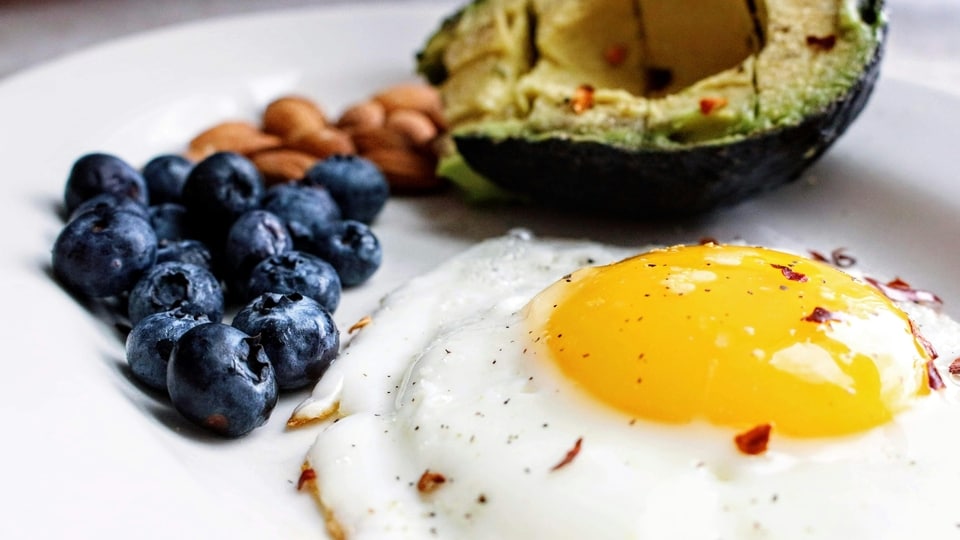
Eating healthy does not mean completely changing the diet. The easier way is to sneak in healthier ingredients with regular food, shares Dr Rajan.
When embarking on a fitness journey for the first time, many of us get overwhelmed trying to adjust to a diet that is very different from the one we are used to. However, eating healthy does not often require a drastic change.
Also Read | AIIMS-trained neurologist shares warning signs of stroke: How to save lives with BEFAST
Taking to Instagram on May 17, Dr Karan Rajan, a UK-based surgeon and health content creator, explained how we can sneak in the required nutrients with the food that we already eat. As he focused mainly on getting the required fibre intake, he called it fibre displacement.
What is fibre displacement?
Fibre displacement is when we take the meals that we are eating, and instead of changing them completely, we find ways to add more fibre to them. This can involve adding more ingredients to the morning smoothie, as well as tinkering with the recipe of other foods.
In Dr Rajan’s words, “If you want to improve the health benefits of virtually any meal, you need to think about fibre displacement. Instead of adding new wellness meals, you infiltrate the ones you already eat. For example, blend a handful of spinach into your morning smoothie. You hardly taste it, but you've just added two grams of fibre and a micronutrient payload.”
Another similar option is blending cooked white beans or lentils into pastas, curries, and soups. “A single quarter cup of white beans adds four grams of fibre, and it blends completely smooth,” noted the surgeon. “Two tablespoons of ground flax seeds in yoghurts or oats is another four to six grams of fibre. And now you've just hit 10 grams of fibre before midday without eating anything that feels different.”
Importance of fibre diversity
When it comes to healthy eating, it is not just about the amount of fibre that is consumed, but the different types of fibres that a person eats. According to Dr Rajan, diversity is more important than many people realise.
“The spinach, the beans, the flax seeds, all add different types of fibres,” he stated. “And these all feed different bacterial species in your colon and act in different areas of your colon. A 2022 landmark study showed that fibre diversity, not just the total number of grams of fibre, predicted gut microbiome diversity and short-chain fatty acid production. Don't focus on just hitting a static number. Focus on feeding a broader ecosystem.”
Getting creative with the food often helps. Adding frozen peas to scrambled eggs, adding mashed avocados to any food, and swapping half the daily white rice with brown rice all help in their own way.
“None of these requires willpower, and none of them tastes like health foods,” noted Dr Rajan. “Collectively, they can close the fibre gap that the data shows is costing people years of healthy life.”
Note to readers: This article is for informational purposes only and not a substitute for professional medical advice. Always seek the advice of your doctor with any questions about a medical condition.
This report is based on user-generated content from social media. HT.com has not independently verified the claims and does not endorse them.


Catch your daily dose of Fashion, Taylor Swift, Health, Festivals, Travel, Relationship, Recipe and all the other Latest Lifestyle News on Hindustan Times Website and APPs.


