
 E-Paper



‘Ovarian cancer’ is a misnomer as most fatal cases begin in the fallopian tubes?

 Prefer HTon Google



Research reveals ovarian cancer often originates in fallopian tubes, not ovaries, making early detection challenging, a new report highlighted.
For decades, ovarian cancer has been called a 'silent killer'. Screening with blood tests or ultrasounds has failed to catch it early, leaving most women with a late diagnosis and few treatment options. Also read | How to spot ovarian cancer symptoms? Oncologist recommends ‘BEACH’ acronym for early identification
New research now suggests the name itself is misleading. As reported by The New York Times on July 28, 2026, nearly all fatal cases of what we call ovarian cancer do not start in the ovaries at all. They begin in the fallopian tubes. That finding pointed to a surprisingly straightforward prevention: remove the fallopian tubes. Studies show it can cut the risk of developing the disease by nearly 80 percent, as per the report.
A case of mistaken origin
‘Ovarian cancer’ is a misnomer, said Dr Rebecca Stone, a gynaecological oncologist at Johns Hopkins Medicine. Nearly all ovarian cancers — and nearly all fatal ovarian cancers — are actually cancers of the fallopian tubes, she shared.
The deadliest forms begin as microscopic clusters of cells at the finger-like ends (fimbriae) of the tubes. They detach, fall onto the ovaries and abdominal lining, and grow into tumours. Because they don’t form a detectable mass early on, standard tests miss them.
Dr Stone compared the process to dandruff falling onto shoulders. Dr Kara Long of Memorial Sloan Kettering called it dust kicked up from a rug. Only about 20 percent of ovarian cancers truly originate in the ovaries, and those types are usually curable.
A five-minute addition to routine surgery
The link was first noticed in 2000 by Dutch researcher Jurgen Piek, who found precancerous cells in the tubes of women with BRCA mutations undergoing preventive surgery. Later work confirmed that removing the tubes preserves ovarian function and hormone production.
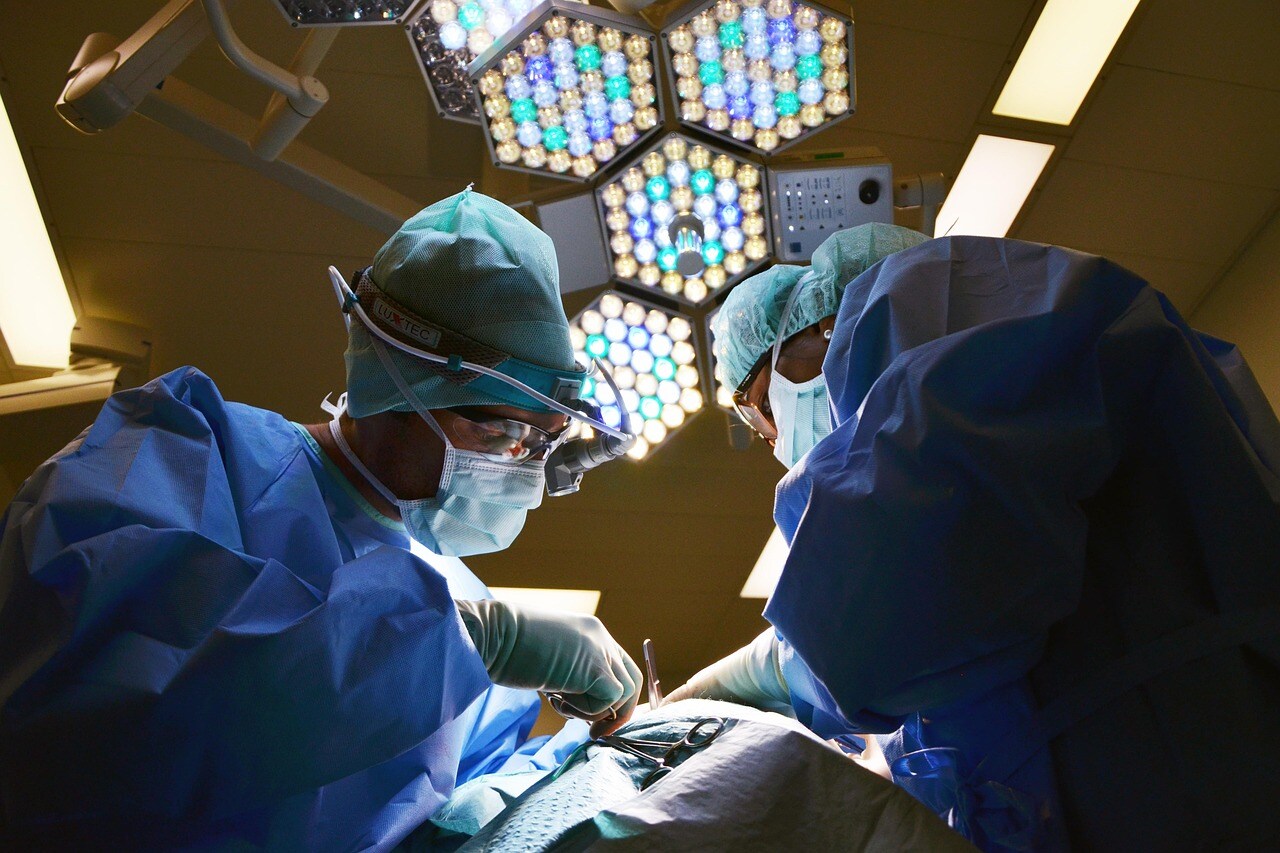
Because it takes only minutes, surgeons can add salpingectomy to common operations, including:
⦿ Hysterectomy
⦿ Tubal ligation
⦿ Gallbladder surgery
⦿ Hernia repair
Major bodies including the American Cancer Society and the European Society of Gynaecological Oncology now endorse the approach. Yet awareness remains low among both doctors and patients. “How do you take a critical discovery, one of the most critical discoveries in my lifetime, and move it to standard of care?” Dr Stone asked.
Closing the gap
A review by Dr Stone and Dr Long found that more than a quarter of their ovarian cancer patients had previously had abdominal surgery where their tubes could have been removed.
Kristin Buser, 42, was diagnosed with advanced cancer that began in her left fallopian tube. A decade earlier, during a C-section and tubal ligation, her tubes were cut but left in place. “I refuse to look at this from the point of view of poor, poor, pitiful me,” she said, adding she wants people to know so they don’t miss the chance.
Groups including Break Through Cancer and the American Cancer Society are reportedly running education campaigns for patients ahead of routine surgery. Because tube removal ends natural fertility, clinicians stress that the decision must be fully informed and voluntary. With wider awareness, what was once considered an inevitable, late-diagnosed disease may become one of the most preventable cancers in women.
Note to readers: This article is for informational purposes only and not a substitute for professional medical advice. Always seek the advice of your doctor with any questions about a medical condition.


Catch your daily dose of Fashion, Taylor Swift, Health, Festivals, Travel, Relationship, Recipe and all the other Latest Lifestyle News on Hindustan Times Website and APPs.


