
 E-Paper



AIIMS-trained neurologist shares warning signs of stroke: How to save lives with BEFAST

 Prefer HTon Google


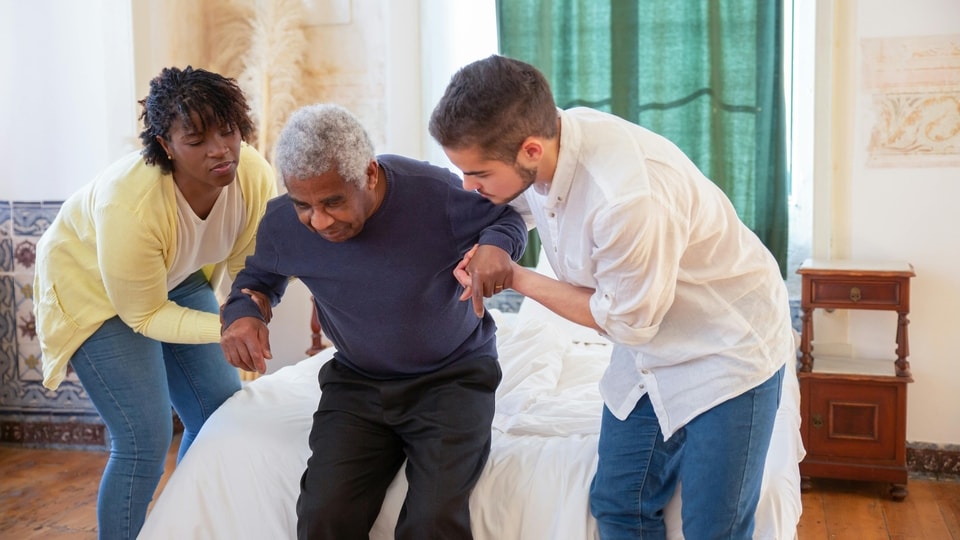
While assisting a person experiencing a stroke, the acronym BEFAST should be kept in mind, explains Dr Chawla.
A stroke is a medical emergency that involves the blood supply to the brain being disrupted. According to the Mayo Clinic website, they can be broadly categorised into two categories.
An ischemic stroke occurs when the blood supply to part of the brain is blocked or reduced. This prevents brain tissue from getting oxygen and nutrients, and the cells begin to die in minutes. A hemorrhagic stroke occurs when a blood vessel in the brain leaks or bursts and causes bleeding in the brain.
While strokes generally present themselves, there are a number of warning signs that people should be mindful of and seek medical help while experiencing them, according to Dr Rahul Chawla, a neurologist with training from AIIMS New Delhi, consultant neurologist at ISIC Hospital Delhi and founder of HealthPil.com.
Taking to Instagram on May 17, Dr Chawla explained these signs with the acronym, BEFAST.
Early signs of stroke
While trying to detect the early signs of stroke, it is helpful to keep the acronym BEFAST in mind, shared the neurologist. It stands for the following:
B (Balance): Sudden loss of balance, coordination or staggering while walking.
E (Eyes): Sudden onset of vision problems, such as double vision, blurriness or loss of sight.
F (Face): One side of the face droops or becomes weak, which can be detected from an uneven smile.
A (Arm): Sudden weakness or numbness in an arm or leg, being unable to squeeze or lift.
S (Speech): Slurred speech or difficulty speaking.
T (Time): Time is critical.
While the first five highlight the early signs, the final T is a reminder that when one experiences a stroke, they should be offered immediate help and taken to a medical professional, as time is of the essence and the condition can become a matter of life or death.
Things to keep in mind about stroke
Dr Chawla also shared four pointers about stroke that people should keep in mind in order to help save lives if somebody experiences the condition in their presence.
- Stroke presents suddenly, and there may not be any headache or any warning symptoms before.
- The symptoms of stroke include sudden weakness, slurred speech, facial droop, sudden vision loss, and imbalance.
- Golden window: 4.5 hours. Beyond that, clot-busting injection (tPA) may not help.
- Every minute counts - two million brain cells die per minute. Therefore, quick medical intervention is critical for saving lives.
There are a number of ways to lower the risk of stroke, noted the neurologist. They include controlling blood pressure, diabetes and cholesterol, not smoking, exercising daily, and reducing salt intake.
Note to readers: This article is for informational purposes only and not a substitute for professional medical advice. Always seek the advice of your doctor with any questions about a medical condition.
This report is based on user-generated content from social media. HT.com has not independently verified the claims and does not endorse them.


Catch your daily dose of Fashion, Taylor Swift, Health, Festivals, Travel, Relationship, Recipe and all the other Latest Lifestyle News on Hindustan Times Website and APPs.


