
 E-Paper



UK surgeon explains why fibre gummies are the worst source of dietary fibre: Inherently unstable, low bioavailability…

 Prefer HTon Google


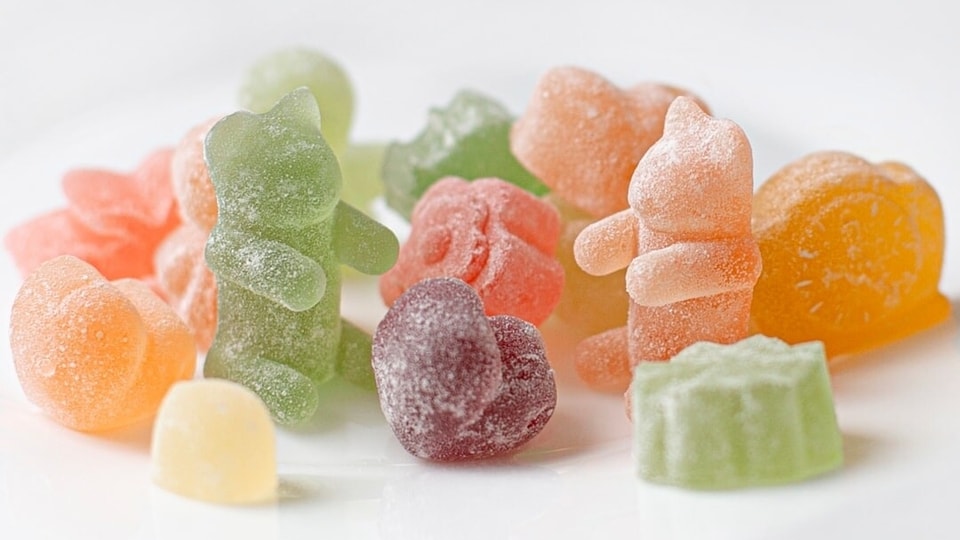
While gummy bears are cute and delicious, they are also very inefficient when it comes to supplementing the daily fibre intake, explains Dr Rajan.
Fibre is an essential macronutrient that has many health benefits, including improved digestion, weight management, blood sugar control, and lower cholesterol. While they are usually found in plant-based foods, they can also be taken in the form of supplements.
However, one particular type of fibre supplement is objectively the worst choice to make, according to Dr Karan Rajan, a UK-based surgeon and health content creator. Taking to Instagram on May 10, he shared four reasons why fibre in gummy bear form is not as healthy as it is marketed to be. They are presented as follows.
1. Unstable matrix
The most obvious issue with taking fibre in gummy form is that the gummy matrix is inherently unstable, shared Dr Rajan. This causes them to degrade faster. The fibre content remaining in the gummies at the end of the shelf life is also untested, which makes it unreliable for meeting the daily fibre need.
As Dr Rajan said, “When you add fibre, which is hydrophilic, meaning it loves water, it starts pulling water out of the gummy matrix immediately. This causes the gummies to degrade, become sticky, clump together, or crystallise. And the biggest scandal is that there's no requirement to test fibre content at the end of shelf life. The amount of fibre at manufacturing is rarely the amount when you eat it six months later.”
2. Types of fibre used
There are only certain types of fibres that can be used in the production of gummies, since most of them are incompatible with the manufacturing process. “They're usually limited to pectin-based fibres or inulin, both of which are fast-fermenting fibres, which sounds good until you realise in high doses that means gas, bloating, and GI distress,” shared Dr Rajan.
“And to maintain an acceptable texture so the gummy doesn't feel gritty or fall apart, the fibre dose has to be kept low,” continued the surgeon, adding that there is an absence of quality clinical data on fibre in gummy form specifically, as available research mainly focuses on fibre in powdered form.
3. High heat degrades fibre
The making of gummies involves high heat, which degrades the fibre structure of many types of fibres used in the gummies. The manufacturing process also involves high-speed mixing, shared Dr Rajan, explaining, “These sheer forces can break down the long-chain polysaccharides, the beneficial part of fibre. This can reduce the molecular weight and prebiotic efficacy.”
4. Low bioavailability
When fibre is in the form of gummies, it is less bioavailable to the gut bacteria, which feed on it. “When fibre is suspended in a gummy matrix, it's physically encapsulated, and your gut bacteria can't access it as easily,” stated Dr Rajan. “Fibre in powder form is the most bioavailable.”
Note to readers: This article is for informational purposes only and not a substitute for professional medical advice. Always seek the advice of your doctor with any questions about a medical condition.
This report is based on user-generated content from social media. HT.com has not independently verified the claims and does not endorse them.


Catch your daily dose of Fashion, Taylor Swift, Health, Festivals, Travel, Relationship, Recipe and all the other Latest Lifestyle News on Hindustan Times Website and APPs.


