
 E-Paper



Pick a side: Don’t let everyday choices make up your identity

 Prefer HTon Google


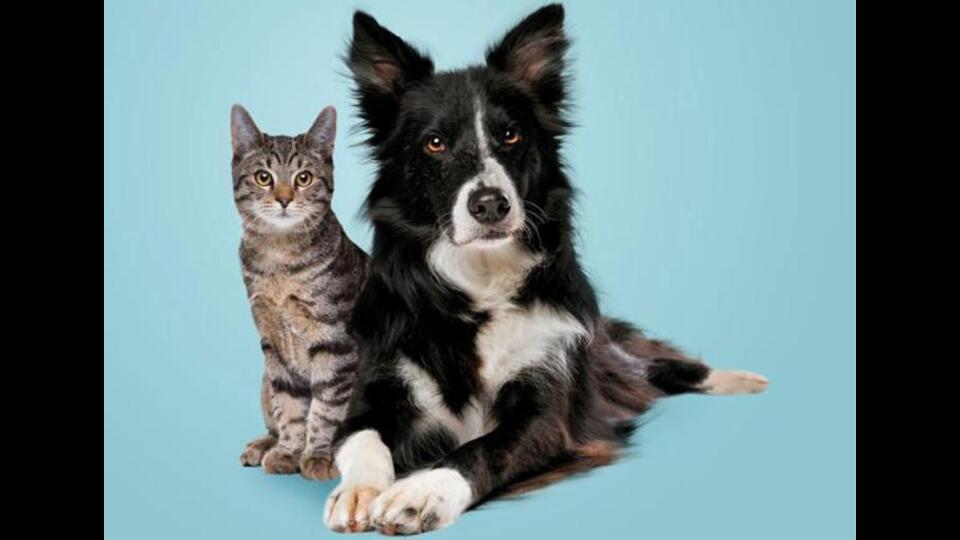
Binary divisions have the power to define us. But they can also allow us to open up, move past petty choices and live together better
So, dog person or cat person? Morning person or night person? Tea or coffee? Boxers or briefs? Apple or Android? Beaches or mountains? PC or console? Introvert or extrovert? Pepsi or Coke? Team Hailey Bieber or Team Selena Gomez?
When did innocuous everyday choices become such binaries that they started to take over our lives and identities?
They pop up on first dates all the time – seemingly arbitrary choices that determine if there will even be a second date. Because an Apple and an Android user might fall in love; but where would they charge their phone?
They’re common in friendships, workplaces and in the online world too. Because, apparently, the universe would explode if Arabica roasters discovered that their buddies were Oolong aficionados all along. Or that the difference between two artificially flavoured fizzy sugar syrups had the ower to end drinking sessions.
No one’s allowed to choose both. Often, you’re not allowed to just be an animal person. Beach and mountain holiday preferences cannot depend on the weather and the time of year. Both larks and owls find afternoon siesta an unacceptable answer for the time of day that suits one best. Pick a side, prepare for war. The undecided die first.
Binary divisions have vexed humans for so long, even psychology has studied the phenomenon. Sigmund Freud called it the “narcissism of small differences”, in which the smaller the contrast between two ideas, the more likely we are think of them as a this-or-that choice,and the more fiercely we treasure our picks, never mind that Liverpool and Chelsea are both English football clubs.
The pandemic shook things up too, when the introvert-extrovert binary crumbled and everyone was driven indoors for months. It’s made more people now admit that they are extroverted in forced social scenarios, but are generally introverts.

We always contained multitudes. At Stanford University, psychology and communication professor Nilam Ram has shown, through several papers, that thought, emotion and behaviour are neither set nor static. Humans veer from wanting to be social to preferring their own company all through the day.
It’s the small binaries that give way to big ones, normalising everyday differences into something more permanent and sinister. Veg or non-veg no longer become about menu choices, but a pathway for polarisation, purity and political commentary. We cherish our trivial stands so fiercely, it sets us up for bigotry, intolerance and hate. It makes it easier to draw lines, keep “the others” out, and plot ways to impose our choices on them.
Sure, there’s right and wrong. Some choices are protected by the constitution. Some sides really do matter. But why spend time fighting over which state has better mangoes, turns out finer silk saris or has been turning out better cinema lately, when there are wider separations afoot? A 2023 Oxfam report states that more than 40% of the wealth created in the country from 2012 to 2021 went to just 1% of the population. Only 3% trickled down to the bottom 50%.
Let’s save our support not for sunrises and sunsets, but for the things that matter. Let’s enjoy both TV shows and the books they’re based on. Let’s drool over both Edward Cullen and Jacob Black. Let’s not let everyday divergences crack the foundation of our humanity.


