
 E-Paper



Travel special: Almaty in Kazakhstan is one of the world’s last secrets

 Prefer HTon Google


No one talks about Kazakhstan, and when they do, most people get it wrong. Here are Almaty’s unexpected delights
For Kazakhstan, don’t listen to the influencers. The ones who’ve travelled there from India tend to be young, penniless students, making the most of the rupee’s advantage over the tenge and India’s visa-free status. (And the fact that a direct flight to Almaty, the biggest city, is barely three hours from Delhi)
So, they mostly tend to be deal hunters. The videos are about discount bins at clothing markets, dorms, and which food stalls offer free samples inside the historic Green Bazaar. And, they pronounce it Kazz-aak-iss-tan, when it’s really Kuzz-ukh-Stan (no i).
They miss the big picture. The Central Asian country and former Soviet republic shares a border with Russia and China, with the six other stans huddled south. It gives Almaty an unusual mix: Persian warmth, Soviet town-planning, the posh mountain-town feel of Colorado, the crispness of Europe in autumn, the crowd-free experience that even luxury destinations can’t match, and the chill vibe a region that isn’t dying to be discovered. Visit for…
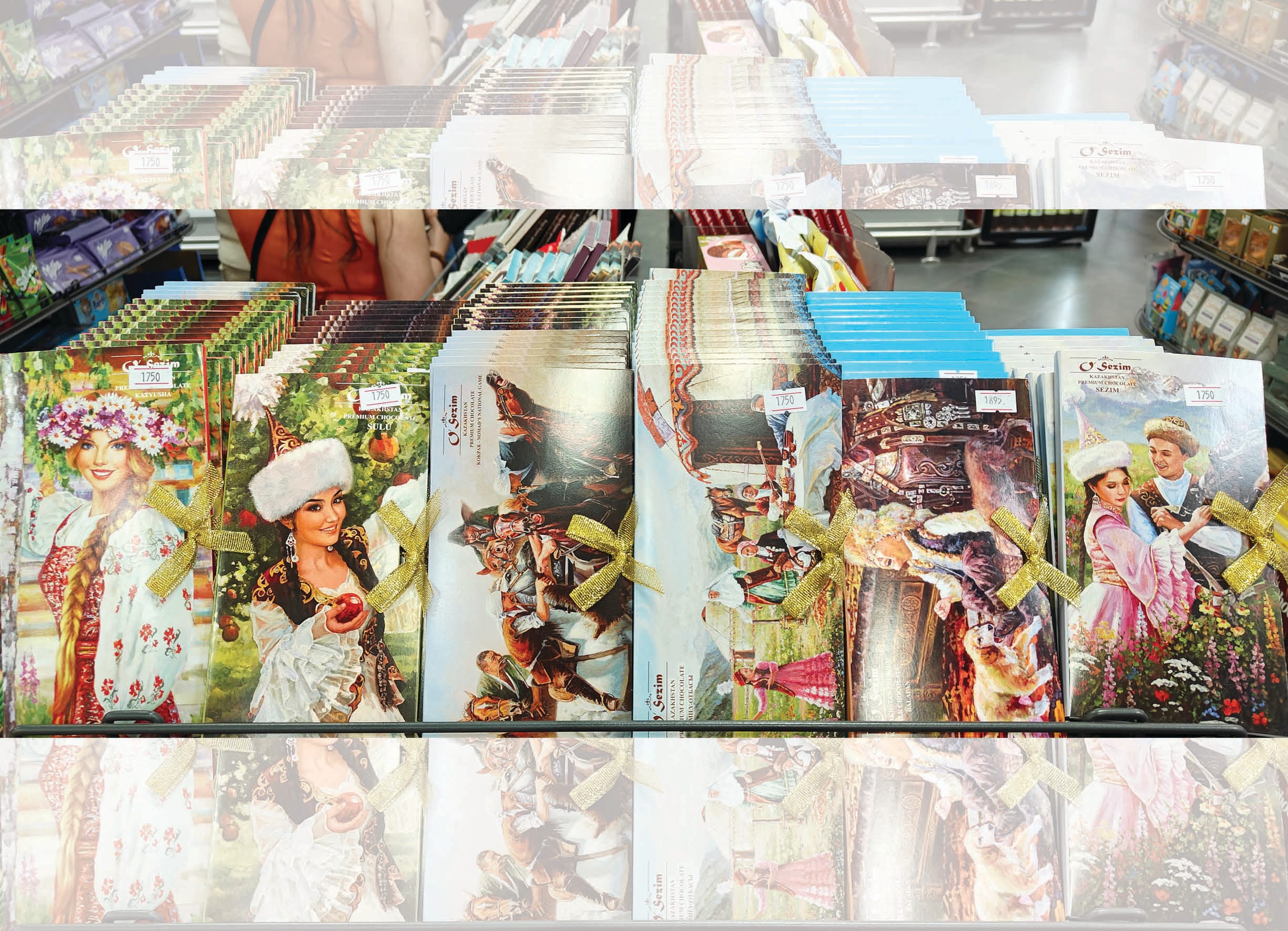
The food: The restaurants serve cuisines from across Central Asia, there’s doner at the street corner, the Korean BBQ is the real thing (with a local horse-meat option) and everyone grabs a hot, flaky meat-and-onion-filled samsa on the commute. Kazakhstan has been making chocolate since the 1940s – it supplied to the USSR and still produces more than 400 types – so the confectionery section of local supermarkets can stretch across several aisles. Don’t be surprised to see delicate watercolours depicting Steppe life, bear hunting, or musical instruments on the packaging. They’ve got the souvenir game down pat. And, because Almaty is considered the birthplace of the modern apple (Almaty means appley in Kazakh), the local variants are cheaper and sweeter than you’ll find anywhere.

The model-city vibe: People tend to be drawn to big cities because their streets are paved with gold. For Indian visitors, it’s enough that Almaty’s streets are paved. They’re often as wide as the roads – you’ll never bump into another pedestrian – and are flanked by old trees. Roses – giant blooms as big as oranges – bloom undisturbed on the pavement, even in the back alleys, where there’s nothing more than a row of auto-repair shops. There’s a rambling park in every neighbourhood, safe even at twilight. No touts, no scamsters, no creepy stares. And where most big cities obsess over anti-homeless architecture, Almaty thoughtfully puts huge benches under its shadiest trees. Even on a busy day, there are plenty of free seats to chill in.
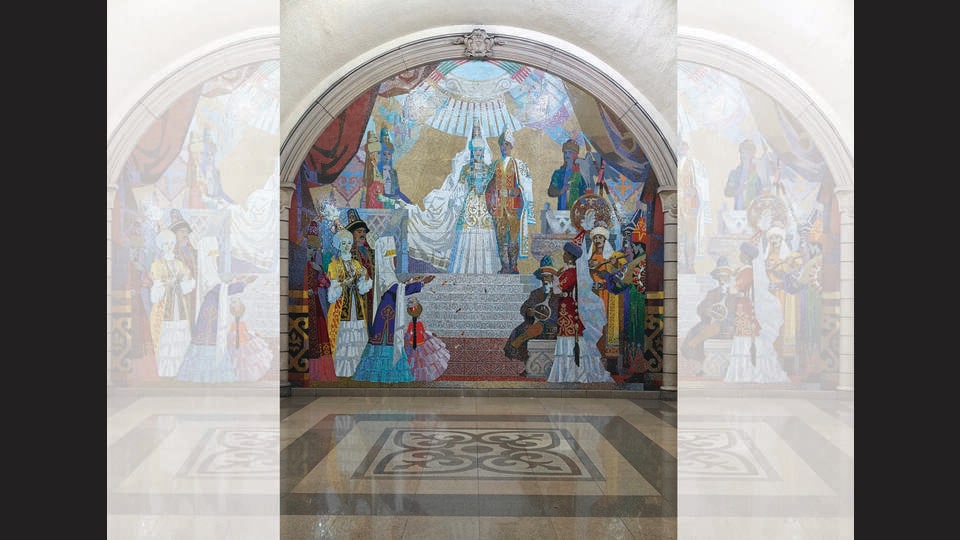
The art: Almaty’s Metro system is relatively new. There’s only one line, one fare – you’ll never get lost. Here, the journey is the destination, each station feels like a mini museum gallery, with themed architecture, murals and mosaics celebrating Kazakhstan’s heroes, landscape, literary greats and space missions. About the only place where you might have to queue up is at the new Almaty Museum of Arts, which has been packed since it opened last month. It’s worth standing in line for the local and international exhibits. This is Kazakhstan showing the world what it wants to be – modern, chic, letting the howling winds of the Steppe clear out the ghosts of its Soviet past.
From HT Brunch, November 1, 2025
Follow us on www.instagram.com/htbrunch


