
 E-Paper



8 things every first time diamond buyer should know: From budget to natural vs lab-grown options

 Prefer HTon Google


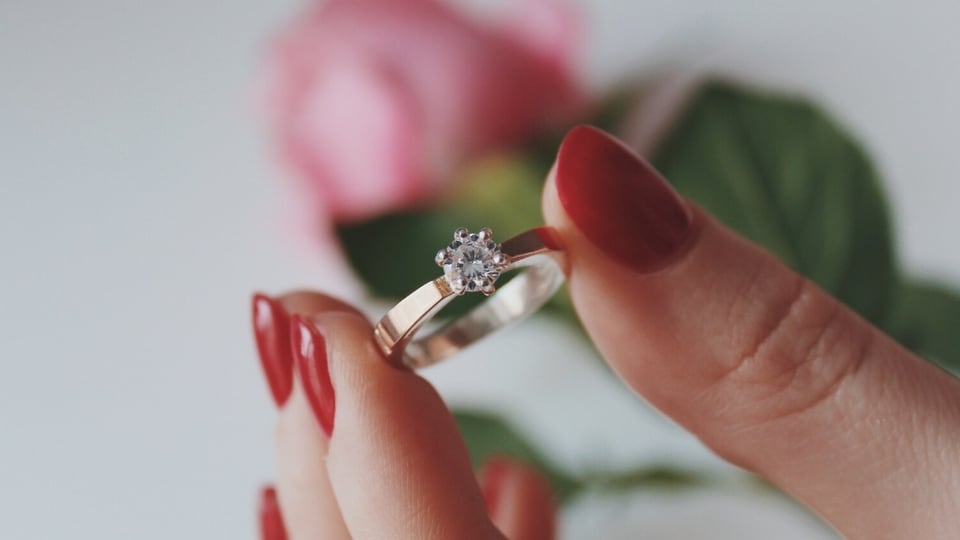
Here’s your comprehensive guide to everything about diamonds so that you can make an informed decision and truly cherish your purchase.
Buying a diamond for yourself, whether to celebrate a career achievement or to gift a loved one on an anniversary or birthday, is undeniably special. But once you begin browsing diamond jewellery online or walk into a store, it is not uncommon to feel overwhelmed by so many options, certification jargons and confusing pricing structure.
ALSO READ: Summer jewellery styling guide: 3 ways to look chic without feeling uncomfortable
After all, buying a diamond is definitely not a casual purchase. It carries significant emotional and financial value. But with right knowledge and few practical checks, first time buyers can be confident, avoid expensive mistakes and make a correct decision.
For all the doubts and first-time buyers insights, HT Lifestyle spoke to Rohit Hudke and Priyanka Padhye, co-founders of Rings & I, who helped debunk many commonly misunderstood jewellery terms and broke down the essentials every buyer should know before investing in a diamond jewellery.
“After ten years in this industry, the one thing I tell every first-time buyer is simple: demand transparency before you buy, not explanations after. Get the certificate verified online yourself,” Priyanka Padhye said, highlighting how buying diamond today has become a big financial decision.
Rohit Hudke agreed and further added, “Ask for making charges in writing. Know your budget, including GST. And always, always ask about the buyback policy. If a jeweller hesitates on any of these, they're not the right fit.”
Here's a detailed and extensive guide from the jewellery experts covering 8 different vital aspects, from understanding diamond certifications and distinguishing between natural and lab-grown diamonds to decoding pricing structures, resale value and common red flag buyers should watch out for:
1. Natural vs. lab-grown
- One cannot tell the difference between a natural and a lab-grown diamond with the naked eye.
- Both are chemically identical, pure carbon, real diamonds in every scientific sense. The only difference is the origin.
- Natural diamonds formed over billions of years beneath the Earth. Lab-grown ones are created in weeks in a controlled environment. Lab-grown diamonds typically cost 70-90% less than natural diamonds.
- A buyer who could previously afford a 0.5-carat natural stone can now own a 1.5-carat lab-grown diamond for the same budget.
- It is not either or, it is purpose driven. Always test the diamond.
2. How to distinguish between lab and natural diamonds
- To the most experienced eyes and even under a standard jeweller's loupe, natural and lab-grown diamonds look identical.
- The most practical tip: always check the certificate and look for the girdle inscription. Most lab-grown diamonds are laser-inscribed with terms like "lab-grown," while mined diamonds typically do not carry such origin disclosures.
- If a jeweller cannot show you a grading certificate or won't let you verify the report number online, walk away. Lab diamond testers are also available in the market. Always check before you buy.
3. Understand beyond 4C’s

- The 4Cs are Cut, Colour, Clarity, and Carat. Cut determines how brilliantly a diamond sparkles and should never be compromised.
- Colour grades run from D (colourless) to Z (yellowish). G or H colour is a smart sweet spot, visually near-identical to D but considerably more affordable.
- Clarity refers to internal flaws. VS1 or VS2 is a safe, practical grade for most buyers. Carat is weight, not size. A 0.90-carat diamond looks almost the same as a 1-carat once set, but costs noticeably less.
- Most of the times this is general information, however in case of natural solitaires, please ask for parameters like BGM, Fluorescence which significantly impact the price of the diamond.
- These parameters are mentioned on the GIA certificate. A ‘NO BGM’ and ‘None’ Fluorescence is preferred.
4. Budgets are flexible if you go for made to order
- In a typical ready stock jewellery store you will find MRP as the product is already made.
- However in jewellery, price can vary significantly depending on the colour-clarity of diamond and karat of gold.
- If you like a design, in made to order you always have a choice to select the parameters and adjust the budget instead of compromising on the design.
- Please note, a design can be made in Rs. 50,000 and also in Rs. 5,00,000/- ; all depends on the specifications.
5. The right questions to ask, and the red flags to watch for
Ask these questions:
- Is this natural or lab-grown, and does the certificate confirm it?
- Can I verify the report number on the lab's website right now?
- What are the making charges as a separate line item?
- What is your buyback or exchange policy, and is it in writing?
Red flags:
- Making charges described vaguely as "as per design" without a clear number (best is if the website/system has a clear break-up)
- Bundled pricing with no separate diamond cost breakdown.
- Any price that looks dramatically below market for the stated grade.
- High-pressure tactics like ‘this price is only for today’ are a serious warning sign. A trustworthy jeweller will welcome your questions.
6. GIA vs. IGI: Which certification to look for
- GIA is widely regarded as the gold standard for natural diamonds, known for strict and consistent grading.
- IGI has become the leading authority for lab-grown diamonds, particularly across India, Europe and Asia.
- For natural diamonds, a GIA certificate commands greater trust and typically supports better resale value.
- For lab-grown diamonds, IGI is the industry-preferred certification and is widely accepted.
- These have been the choices we have seen coming in from customers.
7. Gold vs. platinum
- Most diamond rings in India are set in 18K gold, which means 75% pure gold. It offers a good balance of durability and richness. Platinum is naturally white, denser, and does not fade.
- It is the most durable setting for a diamond and ideal for daily-wear rings. It costs more upfront but requires less maintenance.
- For resale, gold has a transparent daily market rate in India, making its value in any piece easy to recover.
- For a ring worn every day, platinum or 18K yellow gold are both excellent choices. Know the difference before you decide.
8. Truth about resale value
- This is where many Indian buyers get caught off guard.
- Lab grown diamond loses it’s value economically as per demand and supply since it is manufactured in bulk, does not have resale (even if certain brands offer it).
- Lab-grown diamonds have seen significant price drops in recent years and carry minimal resale value in the open Indian market.
- Natural diamonds have resale value which can appreciate but not at a rate to treat it as an investment instrument, unlike gold
- If resale matters, a certified natural diamond with its grading report intact is the safer choice. Either way, ask for a written buyback or exchange policy before you buy.


Catch your daily dose of Fashion, Taylor Swift, Health, Festivals, Travel, Relationship, Recipe and all the other Latest Lifestyle News on Hindustan Times Website and APPs.


