
 E-Paper



Fashion and politics: How clothing has shaped and reflected cultural movements throughout history

 Prefer HTon Google


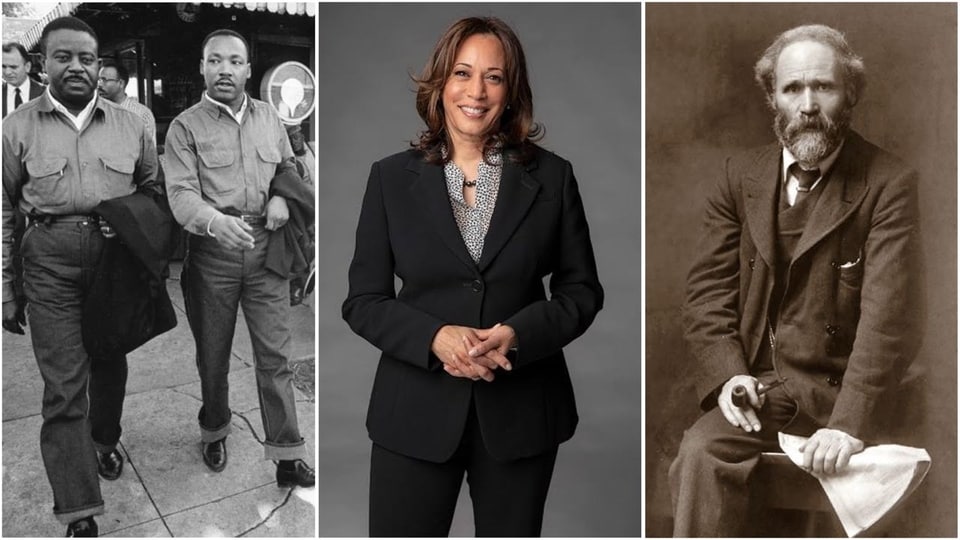
Derek Guy highlights the intersection of fashion and politics, illustrating how clothing has long been a medium for expressing identity and challenging norms.
Fashion has always been political, as popular menswear writer and commentator Derek Guy highlighted in his recent tweet. He responded to a tweet from a user who said, "Even clothes have to be political. Ridiculous." Derek replied, "Clothes have long been political," and shared a lengthy thread on X (formerly Twitter) explaining the history of fashion in politics. Scroll down to know more. (Also read: Lucknow slum kids' Sabyasachi-inspired bridal outfits made from donated clothes win internet; designer responds )
Exploring fashion's political roots
Derek began by explaining how Victorian feminists in the 19th century wore union suits—a more comfortable, one-piece garment that broke from restrictive fashion norms. This move sparked change; even men later adopted this undergarment style, leading to the T-shirt as we know it. "Reform movements often emerge in response to cultural constraints," Derek noted, showing how clothing innovations have roots in political and social shifts.
Derek's insights also explore how fashion became a class signal. In the late 19th century, when British politician Keir Hardie arrived in Parliament wearing a simple suit rather than the expected frock coat and top hat, he signalled solidarity with the working class. "Fashion has often been a silent code," Derek explained, "and Hardie's attire spoke volumes about his alignment with labour rights." Similarly, in the United States, capitalists and managers adopted the three-piece suit as a uniform to downplay class differences, helping popularise terms like "white collar" and “blue collar.”
Clothing as a form of resistance and identity
The politicization of fashion continued in marginalized communities, Derek highlighted, with the zoot suit worn by Black, Latino, and Asian American youth from the 1920s to the 40s. "These oversized styles weren't just about fabric; they represented pride and resistance," he explained. During WWII, however, the zoot suit became controversial due to wartime fabric rationing, fueling racial tension that erupted in the Zoot Suit Riots of 1943. Derek drew a parallel with Nazi-occupied France, where supporters of the Vichy regime viewed oversized clothing on young Parisians—"les zazous"—as symbols of jazz culture and resistance.
Derek further explained how LGBTQ+ communities, especially after the Stonewall Riots, used clothing to make powerful statements. Many gay men adopted "radical drag," which Derek described as a style "blurring lines between the extremes of masculinity and femininity." This fashion choice, which combined rugged boots with gold lamé dresses and makeup, asserted identity loudly and visibly. He also highlighted the emergence of the "Clone Look," a hyper-masculine, workwear-inspired aesthetic popular in San Francisco's Castro district. "For some, it was a way to reclaim masculinity and say, 'I'm proud and unapologetic,'" Derek says.
In today's landscape, Derek argues, fashion is still as political as ever, with styles reflecting stances on gender, race, and identity. "We're living in a highly politicized moment in fashion," Derek tweeted, noting that attempts to legislate drag shows and restrict certain dress codes highlight the continued intersection of fashion and politics. He encourages readers to view fashion not as a superficial trend cycle but as a way to express identity and challenge social norms, noting, "Fashion is a type of social language—and like any language, it reflects the power structures and tensions of the times."


