
 E-Paper



Independence Day 2025: Who is the man behind the design of national flag?

 Prefer HTon Google


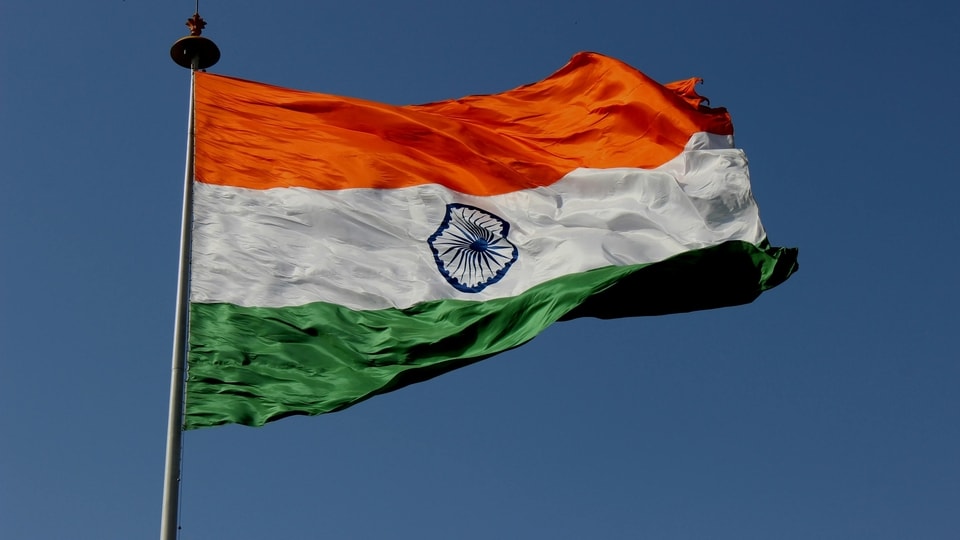
Independence Day: After decades and discussions, the final design of national flag came to be. Know all about the history.
India is all set to celebrate its 79th Independence Day on 15th August. The revered national flag is seen everywhere, from the Prime Minister raising it atop the ramparts of the Red Fort to every home, school, and office. The hoisting of the tricolour flag reflects India's unity and hard-fought freedom from the Britishers, gaining independence from the British Raj after almost 200 years in 1947.
ALSO READ: Independence Day 2025: Here's how Indian fashion has evolved through the decades
Meaning of colours: The colours of the flag have a symbolic nature, with saffron standing for India’s strength and courage. The middle band is white, representing peace and truth, while the bottom dark green band depicts our innate relation to the fertile land, symbolising growth and auspiciousness. The middle white band also features the Ashoka Chakra, which signifies movement and progress.
But how did this beloved national flag come to be? It was an entire process, growing through the nationalist movement, the struggles, and the contributions of freedom fighters. Despite the multiple versions and discussions, one man was behind the final designs we are familiar with today. He was Pingali Venkayya, who designed the first version in 1921. Let's take a look at the evolution of the national flag and how the final design came to be.
1906

The first national flag designed by Sister Nivedita was hoisted at Parsee Bagan Square in Calcutta, acting as a symbol of resistance against British-made goods during the Swadeshi movement. This flag featured three colours and unique symbols: green top band with eight lotuses, yellow with ‘Vande Mataram’, and red with a crescent and sun.
1907

The second national flag's version was seen in 1906 when Madam Bhikaji Cama hoisted it at the International Socialist Congress in Stuttgart, Germany. She was seeking support for India's freedom. This flag is also called the Berlin Committee flag. The flag featured eight stars on the top orange band, yellow in the middle with Vande Mataram, and green at the bottom with a crescent moon and star in the corner.
1917

The Home Rule Movement brought the third flag's design in 1917. Annie Besant and Bal Gangadhar Tilak unfurled this new flag, representing India's demand for greater autonomy. This flag included nine horizontal stripes, five red and four green, with the British flag in the corner. It also featured seven diagonal stars, a crescent and star, and a black vertical triangle along the left side.
1921
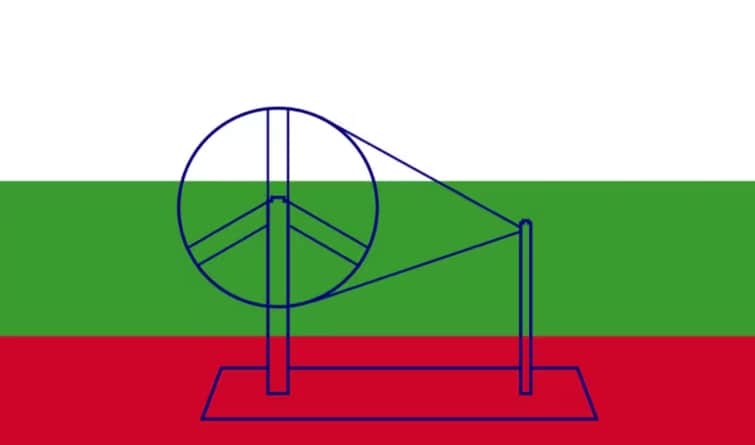
This flag was Pingali Venkayya's first design. He showed this to Mahatma Gandhi. The flag included white, green and red stripes with a charkha in the centre, representing India's unity and progress. But the Indian Congress Committee did not adopt this one as the official flag.
1931
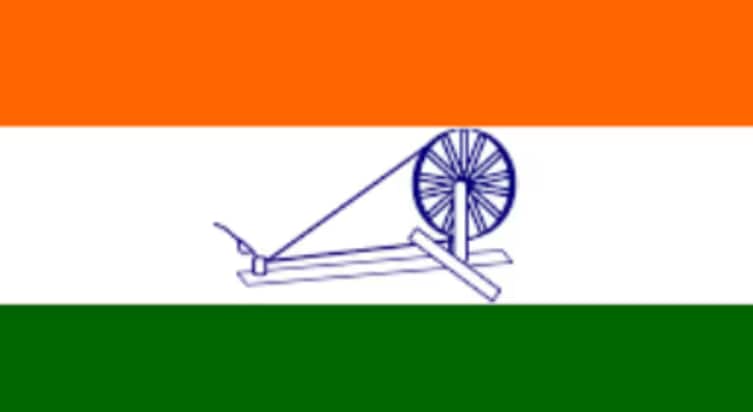
This is the second design that Pingali Venkayya presented again. It took a form very similar to the current design, was approved at a Congress Committee meeting, and was officially adopted as the Committee's flag.
1947

The current design's colours remained the same as Pingali's second design, with only a slight modification, replacing the Charkha with the Dharma wheel.


Catch your daily dose of Fashion, Taylor Swift, Health, Festivals, Travel, Relationship, Recipe and all the other Latest Lifestyle News, Merry Christmas 2025 on Hindustan Times Website and APPs.


