
 E-Paper



Why are millets entering fine dining? Chefpreneur Shivani Sharma reveals what makes them gourmet

 Prefer HTon Google


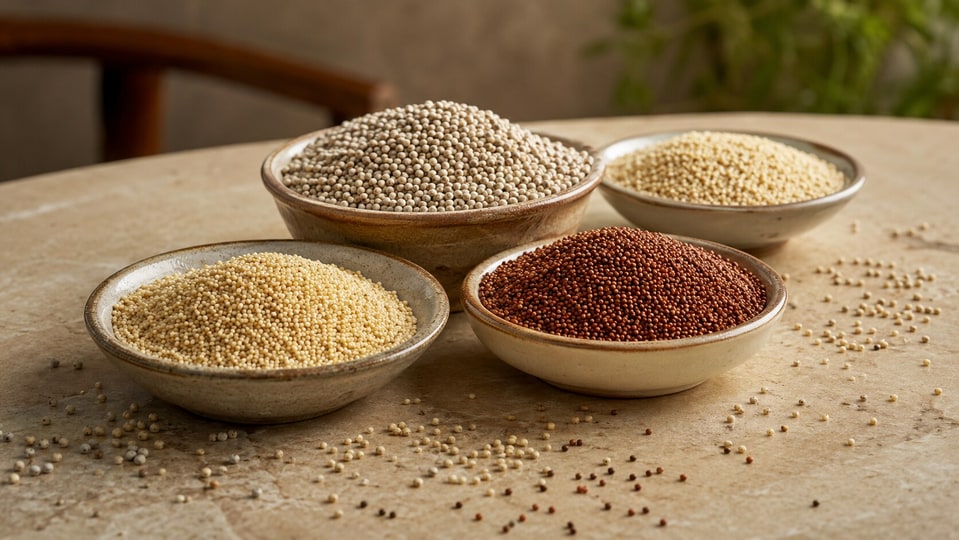
Learn from a culinary expert on why fine dining is changing and making way for humble millets and how menus are accommodating them.
Gourmet food ticks all the boxes of exceptional craftsmanship, meticulous preparation, sophisticated flavours, and elegant presentation. It can be traced to fine-dining establishments, where premium, international ingredients are transformed and crafted into delightful culinary creations. The ingredients are mostly exclusive, with a focus on rarity.
But culinary trends nowadays illustrate that humble, grounded ingredients are also earning a place on a gourmet menu, like millets. Staples of rural kitchens are now making their way into fine dining. And this is driven by several factors, which are shaping the culinary landscape.
Shivani Sharma, chefpreneur, founder of Gourmestan and Maison Gourmestan, explained to HT Lifestyle in an interview the changing dynamics of gourmet food and how, in response to the growing demand for nutritious and sustainable ingredients, millets are finding a place in fine-dining menus. She answered some important questions for us.
How is the meaning of gourmet food changing?
Shivani helped clear the basics on the idea of gourmet, and why it is transforming. If you visualise, you will see expensive setups and rare ingredients, but nowadays, that definition is broadening to give place to ingredients which are responsibly produced.
The chefpreneur described, “What does it mean to be a gourmet in 2026? A term that has long been associated with exclusive, expensive and rare ingredients is now slowly but surely shifting to a new, more mature evolution. Today, the focus of gourmet foods is centred on craftsmanship and ethically sourced, sustainably cultivated ingredients that are as good for the body as they are tantalising to the palate.”
So, despite the humble origins, millets are not qualifying for gourmet. With conversations on sustainability, the definition of luxury is changing. The luxury of a dish is no longer about how expensive it is.
Why are millets entering fine-dining menus?
Let's understand how this convergence is happening. On the surface, ordinary home kitchens and luxurious five-star restaurants may seem worlds apart, but there are clear reasons why millets are rising above this culinary divide.
Shivani answered, “No other ingredient family meets this new adaptation as perfectly as millets – a diverse group of small-seeded, drought-resistant cereal grains. Millets are prized not just for their nutritional density but also for their versatility. The application of gourmet preparation techniques can elevate what was once called a coarse, rural grain to haute cuisine.”
This means their versatility, distinctive flavours, nutritional composition and climate resilience all make them favourable for sophisticated fine-dining preparations.
How are chefs using millets in gourmet dishes?
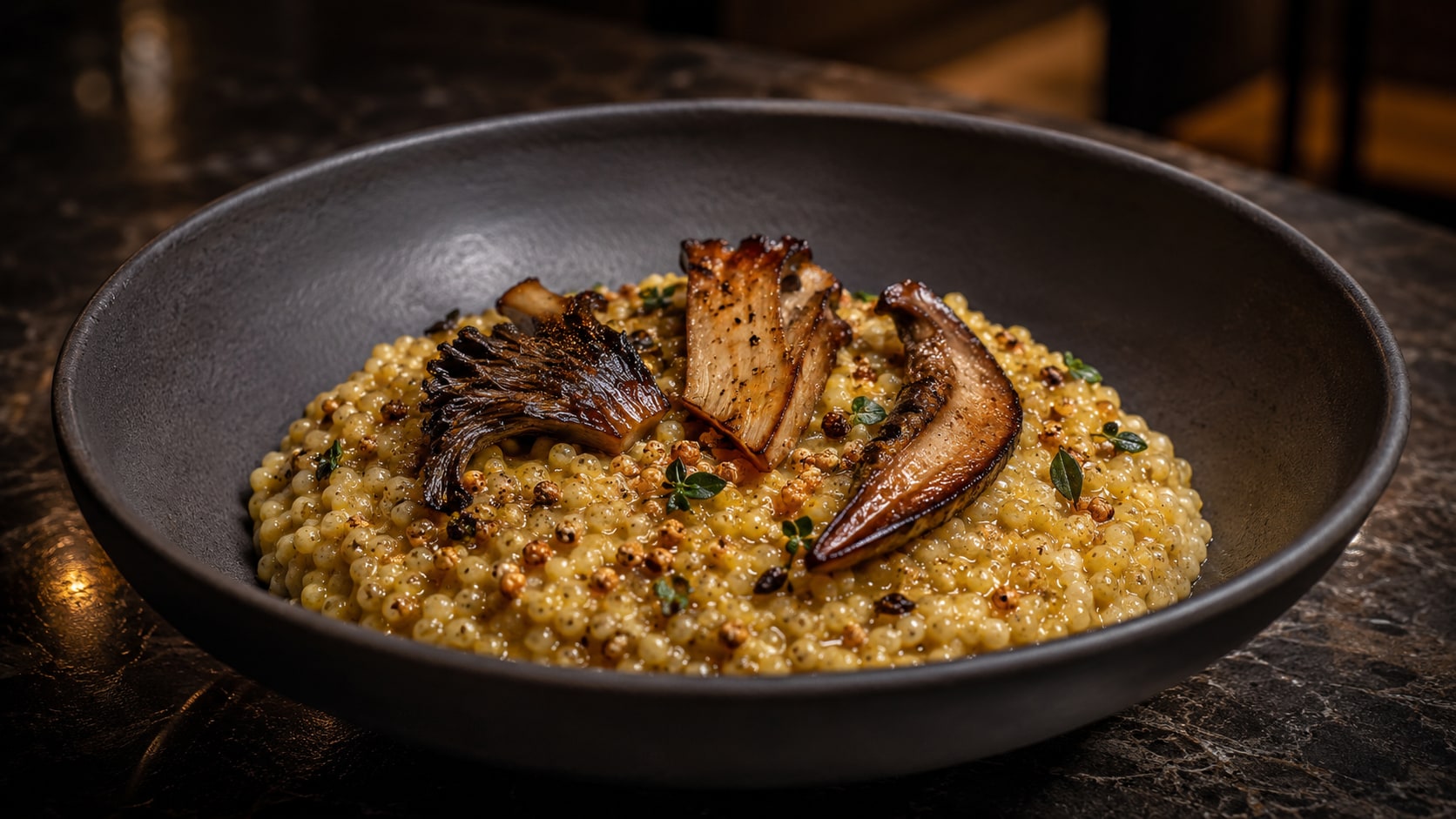
Millets can be incorporated into gourmet dishes in several ways. Shivani listed these methods:
- For contrasting textures: Millets give satisfying crunch or creamy consistency, depending on how they are prepared.
- To bring out different flavours: Millets can absorb flavours, making them versatile.
- To create gluten-free baked food: Millet flour can replace wheat flour in gluten-free cakes and muffins.
- To explore different flavour profiles: Finger millet has earthy, malty notes; foxtail millet has mildy nutty flavour; pearl millet has rich, robust taste; little millet has delicate flavour and texture.
- To use as primary gourmet ingredient: Instead of being treated merely as substitutes for wheat or corn, millets can help chefs and food producers create dishes with greater flavour and textural complexity.
What makes millets a climate-smart gourmet ingredient?
Millets are environmentally friendly, which is why it is becoming popular. They can grow across different climatic regions.
Shivani described which climatic regions they grow in and which agricultural properties they exhibit:“Millets thrive in temperate, subtropical and tropical agroecological zones, as well as on marginal lands. They also demonstrate remarkable potential for cultivation in both stable and abiotic stress environments, requiring less water to complete growth phases as compared to other major cereals.”
Most importantly, millets are strongly relevant from an environmental perspective. As per the chefpreneur, their cultivation can help reduce carbon emissions, sequester carbon, and thereby mitigate the effects of climate change. By adding millets to their dishes, restaurants can also connect their menus to a broader sustainability narrative. Diners may also engage more with these menus as people are becoming more environmentally conscious and looking for ways to make more responsible choices.
What is the nutritional profile of millets?
Shivani believed diners are now also looking into the nutritional profile of the ingredients on their plates. This gives millets yet another reason to find a space on fine dining menus. Millets are revered as ‘nutritional powerhouses’ as they are rich in minerals, vitamins, dietary fibre and protein. While being nutritionally dense, millets' nutritional profile varies, as pearl millet contains zinc and iron, while finger millet is packed with calcium.
Shivani also reminded that they have a lower glycemic index as compared to refined grains, which means the blood sugar spikes will not be sudden.
All in all, fine dining is not solely about presentation or ingredient exclusivity. The rise of millets in contemporary menus tells us that nowadays diners are more inclined towards climate-conscious eating with special focus on regional food heritage.


