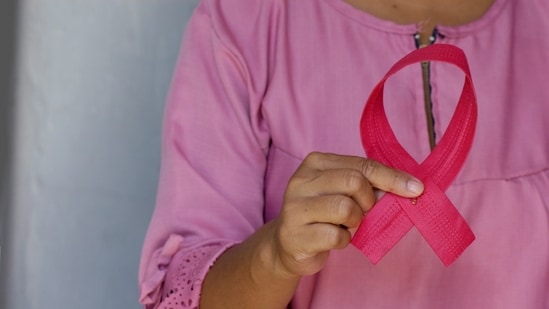
Usually and unfortunately, people seek care only when they have a concern, but breast health is not something that needs attention when a lump or a problem appears. Everyday habits can also play a role. Although no lifestyle completely prevents breast cancer, some simple changes have been linked to a lower risk and better overall health. In an interview with HT Lifestyle, Dr Karishma Kirti, breast specialist and oncoplastic surgeon, Mumbai, shared habits women can practice for better breast health.
Also read | Oncoplastic surgeon shares why breast cancer is rising among younger women and the early signs we often overlook
1. Exercise
Dr Karishma Kirti highlighted that exercise is one of the most useful habits for long-term breast health. Regular physical activity can help control body weight and regulate hormone levels, both of which are linked to breast cancer risk. This does not need an elaborate or extensive (or expensive) workout routine. A brisk walk, swimming, cycling, dancing or strength training for about 30 minutes 5 days a week can be beneficial.
2. Diet
“There is no single breast cancer protection diet,” said Dr Karishma Kirti. A balanced diet can help maintain a healthy weight and improve overall health. Vegetables, fruits, whole grains, pulses, nuts and seeds should feature regularly, along with good sources of protein. Highly processed foods, red meat and excess sugar should be avoided.
3. Alcohol consumption
{{/usCountry}}“There is no single breast cancer protection diet,” said Dr Karishma Kirti. A balanced diet can help maintain a healthy weight and improve overall health. Vegetables, fruits, whole grains, pulses, nuts and seeds should feature regularly, along with good sources of protein. Highly processed foods, red meat and excess sugar should be avoided.
3. Alcohol consumption
{{/usCountry}}Alcohol and breast cancer risk have a clear association. The risk increases with increasing consumption, and no amount of alcohol is considered safe. According to Dr Karishma Kirti, avoiding alcohol completely is the best bet for risk reduction. Practically, reducing the number of drinks and the number of drinking days or watering them down are some tips to start this journey.
4. Self breast exam
Ideally, all women should perform a breast self-examination every month. This brings familiarity with how an individual’s breasts normally look and feel, and any new change can be found early. A new lump, persistent change in the breast, nipple discharge, skin dimpling, nipple inversion, or a change in breast shape should be checked by a doctor. Most breast changes are benign, meaning they are not cancerous, but they should not be ignored.
5. Screening
No one is immune to breast cancer, and healthy habits cannot replace screening. Clinical breast examination or having your breasts examined by a medical health practitioner is also a good screening tool to start in your thirties. Mammography remains an important tool for detecting breast cancer before symptoms appear. The appropriate age and frequency of screening depend on individual risk, family history, and guidelines.
“Women with a strong family history or an inherited genetic risk may need to start screening earlier or undergo additional tests. For most women at average risk, screening with CBE should start at 30 and mammography once every 2 years at 40,” said Dr Karishma Kirti.
Note to readers: This article is for informational purposes only and not a substitute for professional medical advice. Always seek the advice of your doctor with any questions about a medical condition.
Catch your daily dose of Fashion, Taylor Swift, Health, Festivals, Travel, Relationship, Recipe and all the other Latest Lifestyle News on Hindustan Times Website and APPs.
Catch your daily dose of Fashion, Taylor Swift, Health, Festivals, Travel, Relationship, Recipe and all the other Latest Lifestyle News on Hindustan Times Website and APPs.