
 E-Paper



Oncoplastic surgeon shares why breast cancer is rising among younger women and the early signs we often overlook

 Prefer HTon Google



Breast cancer is one of the most common cancers among young women. Here are some of the early signs that are often overlooked.
Breast cancer is often thought of as a disease of the elderly, and while that is true to an extent, breast cancer can develop in younger women, too. In recent times, there has been an overall increase in breast cancer rates worldwide, making it the most common cancer in women. What is somewhat alarming, though, is an increase in the breast cancer incidence rate in younger women (about 1.4 percent each year between 2012–2022) than in women over 50 (about 1 percent each year) However, in general, the breast cancer incidence is still low in young women as compared to women over 50, but this trend in data towards increasing rates is concerning. In conversation with HT Lifestyle, Dr Karishma Kirti, Breast Specialist and Oncoplastic Surgeon, Mumbai, revealed early signs that indicate cancer.
Also read | What is the difference between grade and stage in cancer diagnosis? Raipur-based senior cancer surgeon explains
Why is breast cancer rising among young women?
Dr Kirti said, “In India, we have a larger younger population, which also leads to high numbers of breast cancer patients.
Increase in alcohol use: Alcohol can increase exposure to oestrogen and also cause DNA damage, leading to increased risk. No amount of alcohol is considered safe, as alcohol is a Group I carcinogen, and even light drinkers face some increased risk.

Rise in obesity: Sedentary lifestyle, processed food, and obesity all increase breast cancer risk. Additionally, excess body fat can alter hormonal balance and promote inflammation—both linked to breast cancer development.
Genetic factors: Inherited mutations like BRCA1 and BRCA2 play a role, especially in younger patients. Although it is important to note that most breast cancers are sporadic and not genetically linked.
Environmental exposures: Many environmental factors like air pollution and microplastics, likely influence cancer risk. The link between breast cancer and environmental exposure is under research, though, to be assessed definitively.
Lack of screening and delayed diagnosis: There is no government screening in India. There is a lack of awareness among both patients and sometimes even healthcare providers that “young women don’t get breast cancer.” Fortunately, awareness around breast cancer in young women is increasing, as is screening. More and more women are approaching doctors to know about the disease, learn self-breast examination, and take care of themselves.
Early signs to look for
Dr Kirti highlighted that young women often ignore a tiny lump, a subtle ache, an irritation that comes and goes; these are the whispers your body sends long before it starts to shout.
For many women, the earliest signs of something worth attention are painless and easy to dismiss: a small, movable lump in the breast, unexpected fatigue that rest doesn't fix, changes in skin texture, unusual bleeding, or a nagging discomfort that feels too minor to mention. Busy with work, family, and the relentless pace of daily life, it's natural to push these signals aside, but that's exactly when they matter most.
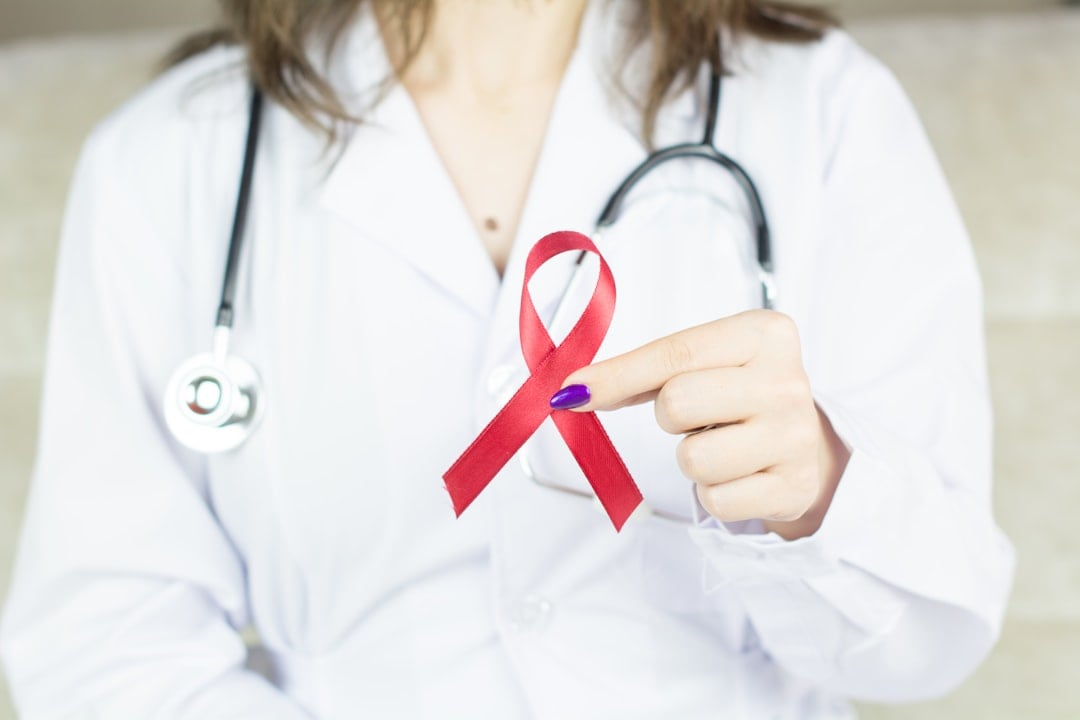
Our bodies rarely raise an alarm without reason, and the quieter the signal, the easier it is to miss. You don't need to wait for pain. You don't need a dramatic symptom to justify concern. If something feels off, even slightly, even briefly, that's enough reason to talk to your doctor. Early detection isn't about being anxious; it's about being informed.
Because what takes five minutes to check today could mean everything. In younger women, breast cancer is often missed, and diagnosis is delayed.
1. Dense breast tissue: On imaging, younger women have denser breast tissue, which makes it more difficult to detect smaller lesions in the breast.
2. Misdiagnosis: Breast lumps, change in size, nipple discharge, and other such symptoms are often attributed to benign lesions like fibroadenoma, hormonal changes, and pregnancy or breastfeeding-related changes.
3. Social barriers: Social and cultural taboos, stigma, fear, or neglect can often prevent a timely visit to the hospital and appropriate care. It is important to understand that awareness is paramount, and early diagnosis saves lives.
Here’s what Dr Kirti recommends:
Know your body and learn about breast cancer, its prevention, and screening.
Learn to examine yourself and understand what is normal for you.
Do not ignore persistent changes, even if they seem insignificant to you.
Talk to other women and spread the word, remove the stigma and shame from the word “breast cancer.”
Early diagnosis means better survival, and it also means less intensive treatment, better cosmetic outcomes, and improved quality of life after treatment. In breast cancer, the earlier we act, the better we do.
Note to readers: This article is for informational purposes only and not a substitute for professional medical advice. Always seek the advice of your doctor with any questions about a medical condition.


Catch your daily dose of Fashion, Taylor Swift, Health, Festivals, Travel, Relationship, Recipe and all the other Latest Lifestyle News on Hindustan Times Website and APPs.


