
 E-Paper



AIIMS-trained neurologist shares warning signs of stroke you should never ignore: ‘Numbness in one hand and…’

 Prefer HTon Google


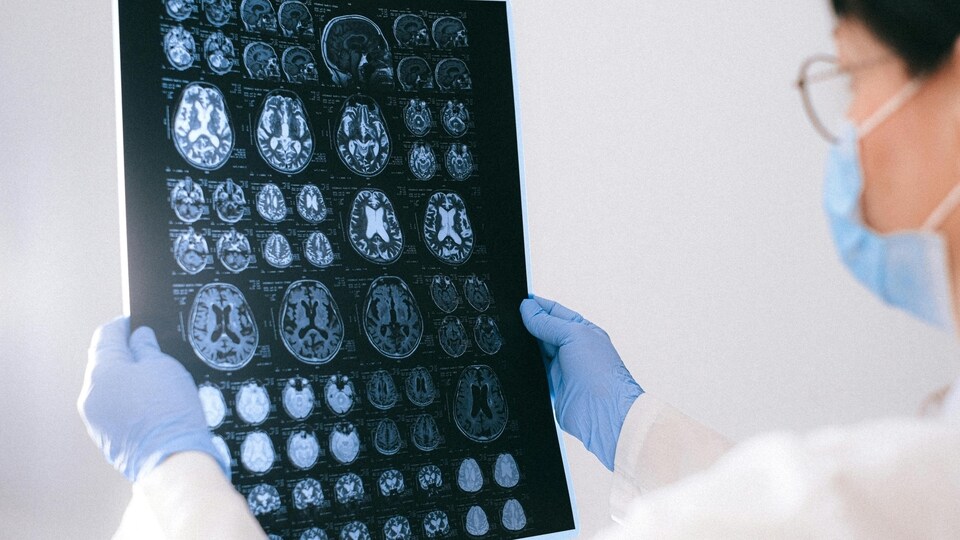
Dr Chawla warns that stroke occur suddenly and explains how to recognise the warning signs, also known as Transient Ischemic Attacks.
A stroke can strike suddenly and without warning - but recognising the early symptoms and acting quickly can make the difference between full recovery and lifelong disability. Experts warn that even if symptoms appear mild or fade within hours, they should never be ignored, as they could signal an impending stroke. Understanding these warning signs and seeking immediate medical help can quite literally save lives.
Dr Rahul Chawla, a neurologist trained at AIIMS, New Delhi, Consultant Neurologist at IBS Hospital, Lajpat Nagar, and founder of HealthPil.com, has highlighted the critical warning signs of a stroke that should never be ignored. In an Instagram video posted on October 3, the neurologist explains that while stroke symptoms - also called Transient Ischemic Attacks - may sometimes subside within a few hours, this should never be mistaken for recovery. He cautions viewers through the real-life story of a patient who ignored these warning signs - and reveals what happened next.
What is a Transient Ischemic Attack?
Dr Chawla describes Transient Ischemic Attack as a warning sign or precursor to strokes, where symptoms appear for a short time and resolve within a couple of hours. He explains, “There is a tingling or numbness in one hand and one leg, the voice becomes slurred, facial drooping (crookedness in the face) occurs, or there is imbalance while walking or moving - and all these problems resolve within one or two hours. We call this a Transient Ischemic Attack (TIA).”
A patient who ignored the symptoms
Dr Chawla warns, “Stroke presents suddenly and there may not be any headache or any warning symptom before.” He goes on to narrate the story of one of his patients - “A 60-year-old gentleman, a chronic smoker, alcoholic, suffering from high BP (blood pressure) and sugar (diabetes) for a long time, but not taking medicine.” He adds that the man suddenly began experiencing the symptoms mentioned above - tingling and numbness in one hand and leg, along with a noticeably weak grip. The neurologist explains that these could be signs of a stroke and stresses the importance of getting to a hospital within three hours. This critical window allows doctors to administer medication that can dissolve the clot and significantly improve recovery outcomes.
He continues the story, “Now when he reached the hospital, his weakness completely and automatically resolved. He thought, ‘I am completely fine’. There was no weakness in his hand grip, and no tingling. So, without seeing a doctor, he went back home.” However, the patient’s symptoms returned the following morning, prompting another visit to the hospital - but by the time he reached the doctor’s office, the symptoms had once again subsided.
The neurologist informed him that he had been experiencing recurrent Transient Ischemic Attacks TIAs), warning that these were a serious indication he could suffer a full-blown stroke at any moment. However, the patient chose to ignore the doctor’s advice and returned home - only to be rushed back to the hospital five hours later. The neurologist carries on, “But this time, his hand and leg were not working at all. The patient who had walked to me earlier, now came in a wheelchair. We conducted an MRI, and it was revealed that the patient had developed an infarct in the Right MCA Territory. A stroke had occurred.”

Stroke dos and don’ts
Dr Chawla highlights, “Unfortunately, this patient is not alone, and we have many such patients who stop their BP and sugar medicines after being influenced by a WhatsApp forward or a health influencer. If someone in your family also has BP or sugar problems, remember that they should not stop the medicine without a doctor's permission.”
The neurologist warns that if someone exhibits these warning signs of a stroke, they should be taken immediately to a hospital equipped with an emergency neurology unit. There, doctors can administer clot-dissolving medication - but it must be given within 4.5 hours to be effective, making timing absolutely critical. He also advises maintaining healthy blood pressure, managing diabetes and cholesterol, quitting smoking, exercising regularly, and reducing salt intake to lower the risk of stroke.
Note to readers: This article is for informational purposes only and not a substitute for professional medical advice. It is based on user-generated content from social media. HT.com has not independently verified the claims and does not endorse them.


Catch your daily dose of Fashion, Taylor Swift, Health, Festivals, Travel, Relationship, Recipe and all the other Latest Lifestyle News on Hindustan Times Website and APPs.


