
 E-Paper



Apollo, Aster CMI and Fortis doctors reveal 5 reasons snoring is a red flag for your heart

 Prefer HTon Google


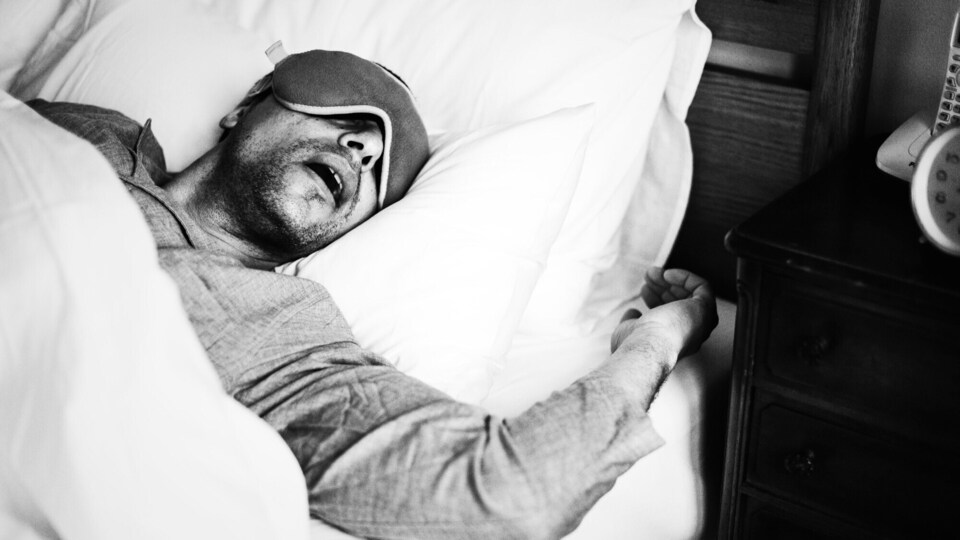
Experts have identified five ways chronic snoring and OSA damage the cardiovascular system.
What many dismiss as a harmless nighttime nuisance or a reason for a partner to nudge them awake might actually be a critical warning sign from the heart. Leading medical experts are warning that persistent, loud snoring is often the first symptom of obstructive sleep apnea (OSA), a condition now being described as a 'cardiovascular alarm bell' that can lead to high blood pressure, irregular heart rhythms, and eventually, heart failure. Also read | Surgeon explains sleep disorder where breathing repeatedly stops and starts during sleep
Why snoring is a red flag for the heart
Dr Varun Bansal, a senior consultant at Indraprastha Apollo Hospitals, told HT Lifestyle that snoring is frequently trivialised, yet its impact on the body is profound. “Persistent, loud snoring... is strongly linked with changes in the way your heart and blood vessels work,” Dr Bansal said.
Experts from Apollo, Aster CMI, and Fortis Hospitals have identified five critical ways that chronic snoring and sleep apnea damage the cardiovascular system:
1. Oxygen deprivation and heart stress
When snoring transitions into sleep apnea, the airway becomes blocked, causing breathing to stop for seconds or even a minute. This happens dozens — sometimes hundreds — of times a night. “Every time breathing stops, blood oxygen levels fall,”Dr Bansal said. The brain enters a state of emergency, triggering stress systems that spike the heart rate to compensate, preventing the heart from resting.
2. The link to 'stubborn' high blood pressure
Normally, blood pressure drops at night to give the heart a break. However, for chronic snorers, blood pressure stays elevated or surges during apnea episodes. Dr Vivek Mahajan, consultant, interventional cardiology at Fortis Hospital Kalyan told HT Lifestyle that many patients with ‘difficult-to-control’ hypertension find the root cause is actually untreated sleep apnea. Over time, this constant pressure makes the heart muscle stiff and less functional.
3. Dangerous heart rhythm disturbances
The repeated 'stop-start' nature of breathing during sleep stimulates stress hormones like adrenaline. This increases the risk of Atrial Fibrillation (AFib) and other irregular heartbeats. These arrhythmias reduce the heart's pumping efficiency, significantly raising the risk of stroke and congestive heart failure.
4. Inflammation and vascular damage
Dr Sunil Kumar K, lead consultant, interventional pulmonology, Aster CMI Hospital, Bengaluru, told HT Lifestyle that repeated breathing pauses trigger systemic inflammation. This inflammation damages the lining of the blood vessels and speeds up plaque buildup (atherosclerosis), which can lead to heart attacks and weakened heart function.
5. The 'vicious cycle' of metabolic stress
Snoring is rarely an isolated issue. It is tightly correlated with abdominal obesity and diabetes. Sleep disruption interferes with hunger hormones, leading to weight gain, which in turn worsens snoring. This 'vicious circle' accelerates damage to the heart muscle and arteries at an earlier age than expected.
The warning signs you shouldn't ignore
While occasional snoring due to a cold or alcohol use is generally not dangerous, doctors urge a medical evaluation if snoring is accompanied by:
⦿ Daytime fatigue or poor concentration.
⦿ Gasping for air or choking sounds during sleep.
⦿ Morning headaches or a dry mouth.
⦿ High blood pressure that doesn't respond well to medication.
“Because patients are already feeling tired all the time, early warning signs of heart failure, such as breathlessness on exertion, often go unnoticed,” warned Dr Mahajan.
The good news: it is reversible
The consensus among specialists is that heart damage caused by sleep apnea is often preventable and sometimes reversible if caught early. Treatments like CPAP (Continuous Positive Airway Pressure) devices, weight management, and lifestyle changes can stabilize heart rhythms and lower blood pressure. If you or a loved one are chronic snorers, a sleep study could be the first step in protecting your heart's future.
Note to readers: This article is for informational purposes only and not a substitute for professional medical advice. Always seek the advice of your doctor with any questions about a medical condition.


Catch your daily dose of Fashion, Taylor Swift, Health, Festivals, Travel, Relationship, Recipe and all the other Latest Lifestyle News on Hindustan Times Website and APPs.


