
 E-Paper



Bariatric surgeon reveals who actually needs Mounjaro and what happens if you discontinue it

 Prefer HTon Google


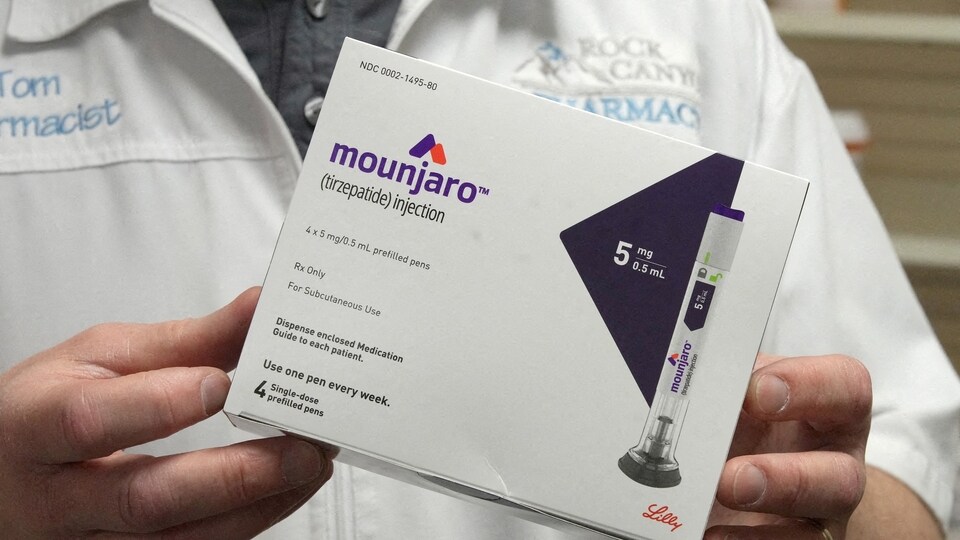
Find out about which BMI category stands to benefit the most from this weight loss drug and what are the side effects of discontinuing it.
for aAfter Ozempic, another diabetes drug driving major buzz is Mounjaro (tirzepatide), which has now taken the spotlight. Used to improve blood sugar control in adults with type 2 diabetes, the medication has sparked discussions for its active role in weight loss.
Comedian Aishwarya Mohanraj recently opened up about using the drug, a move that Soha Ali Khan praised, saying it takes courage to speak about it openly.
But while it may have benefits, it should not be used without proper medical guidance. The first step is awareness, understanding how it works and whether it is suitable for you.
HT Lifestyle reached out to Dr Sharad Sharma, consultant - laparoscopic & bariatric surgery, Fortis Hiranandani Hospital, Vashi, Navi Mumbai, to get a clear idea of who can use the drug and for how long one should use it.
How does Mounjaro work?
With growing attention around the drug Mounjaro, as explained by the surgeon, helps with weight loss by targeting key mechanisms such as appetite suppression, delayed gastric emptying, improved satiety, and better metabolic regulation.
Describing the weight reduction Mounjaro brings in, he added, “As seen in some clinical trials, it may produce an average weight reduction of about 10–15% at lower doses, and up to 15–22% at higher doses.”
What happens if you stop taking Mounjaro?
But here's the flipside. The surgeon warned that the lost weight may return if the medication is discontinued, which is why this GIP and GLP-1 receptor works best when continued long term. “Mounjaro functions as a long-term therapy, similar to medications used for hypertension or diabetes,” he noted. ''
Who may need it?

1. BMI ≤30:
The first category Dr Sharma revealed is BMI less than 30 or ≥27 with comorbidities, where tirzepatide will be effective. “In this group, it can improve insulin resistance, blood pressure, lipid profile, fatty liver disease, and early type 2 diabetes. It will benefit as a monotherapy when lifestyle interventions alone are insufficient,” he elaborated.
2. BMI ≥35 with Comorbidities:
For patients with a BMI of 35 or higher, along with conditions such as type 2 diabetes, obstructive sleep apnea or hypertension, Dr Sharma told bariatric surgery still remains a definitive treatment.
Why? “While Mounjaro alone may produce meaningful weight loss in this group, it may be suboptimal as a long-term standalone strategy, especially in the presence of severe metabolic disease," he described. "Surgery provides greater and more durable weight reduction with higher rates of metabolic remission.”
But tirzepatide may be appropriate, as per the surgeon, for patients unwilling or medically unprepared for surgery.
3. BMI ≥40
For individuals with a higher BMI, Dr Sharma firmly believes that surgery remains the most ‘effective and durable intervention. There are bariatric procedures like sleeve gastrectomy or Roux-en-Y gastric bypass, which, as per the surgeon, can achieve ’25-35 per cent total body weight loss over five to ten years.'
For people falling in this category, weight loss drugs may not work. “In this category, pharmacotherapy alone is generally less effective than surgery in achieving substantial and sustained weight reduction,” the doctor remarked. But he reminded that Tirzepatide should not be viewed as a universal substitute for bariatric surgery for very obese people.
So yes, while Mounjaro (tirzepatide) has risen as a very promising option regarding obesity and type 2 diabetes, it is not a quick fix or a universal replacement for bariatric surgery.
Note to readers: This article is for informational purposes only and not a substitute for professional medical advice. Always seek the advice of your doctor with any questions about a medical condition.


Catch your daily dose of Fashion, Taylor Swift, Health, Festivals, Travel, Relationship, Recipe and all the other Latest Lifestyle News on Hindustan Times Website and APPs.


