
 E-Paper



Cardiologist explains how fructose in fruits can silently damage your liver, leads to cirrhosis and fatty liver disease

 Prefer HTon Google


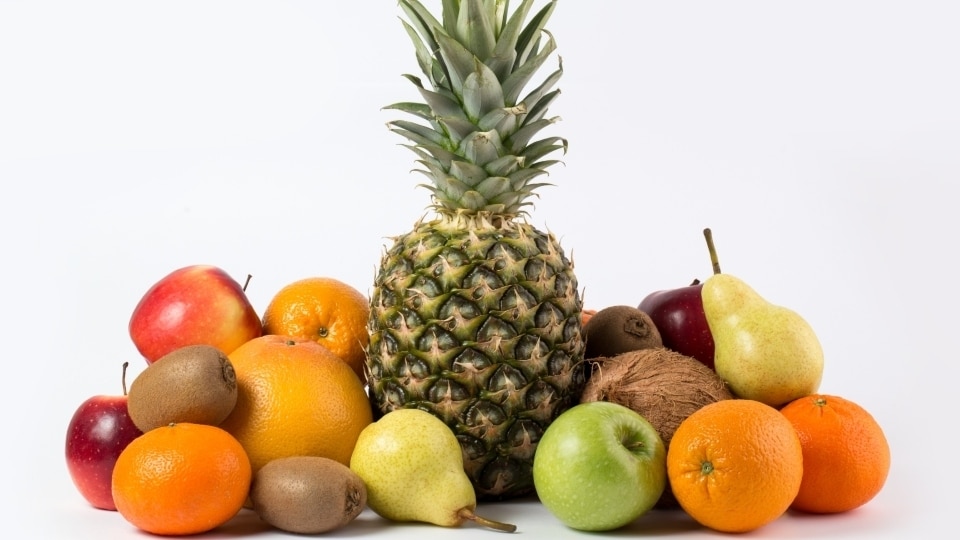
Fructose overload can lead to non-alcoholic fatty liver and cirrhosis, warns cardiologist Dr Alok Chopra. He explains how it can even lead to cirrhosis.
Monitoring our glucose levels is often prioritised by health experts for healthy living. But, often, we forget about fructose, which may silently be harming your liver. According to Dr Alok Chopra, cardiologist and functional medicine expert, it is time we paid attention to it and limit our intake.
In a video posted on April 5, Dr Chopra talked about the actual dangers of fructose and how it could harm your liver. “Fructose overload can silently damage your liver, leading to non-alcoholic fatty liver and even cirrhosis. Your liver does more than you think. Take care of it before it’s too late,” he wrote.
How does fructose harm the liver?
According to the cardiologist, our liver stores fat to protect the body from fructose because ‘fructose doesn't know where to go.’ He explained, “Fructose needs a place to hide, and that place is the liver. In the beginning, it's all right, but later, the liver accumulates fat, and that's how further disease starts.”
Dr Chopra pointed out that though many think that fatty liver is due to alcohol, there can be other causes too, including fructose. “There are people who are overdoing fructose. We start with stage 1 and lead to stage 2. After stage 2, something new happens. It's called NASH, which stands for non-alcoholic steatohepatitis, a medical term for cirrhosis,” he added.
The cardiologist further stated that experts also thought cirrhosis was only caused by alcohol, yet we are seeing younger people, from the ages of 30 to 40, who are developing cirrhosis. “Stage 4 is very troublesome. Sometimes, a piece of the liver has to be removed and made to regrow in another manner. The liver is a very powerful organ. People have removed three-fourths of their livers, and the liver regrows again. Take care of your liver. It's a great organ. Don't bring it to a stage where we call it full-blown cirrhosis,” he added.
What is fructose, and can we monitor it like glucose?
Per the cardiologist, fructose is a natural sugar found in fruits, honey, and high-fructose corn syrup. Unlike glucose, fructose is only metabolised by the liver-which is where the problem lies.
As for whether we can monitor it or not, he stressed that the answer is a ‘big no.’ He explained, “Our body gets glycated, which is like the overtime browning of a toast. If it browns too much, you can't eat it. But this is happening to all of us as we age. It is an ageing phenomenon. This glycation is 10 times more with fructose than with glucose. The difference is really big. All these processed foods with fructose cannot be detected, unlike glucose, and it cannot be burned for fuel, and hence it is converted into fat.”
Is there a way to control it? Dr Chopra suggested eating fruits after meals but not on an empty stomach. When eaten after a meal, fructose piggybacks on the metabolism of the entire meal, hence slowing down the absorption of fructose.
Note to readers: This article is for informational purposes only and not a substitute for professional medical advice. Always seek the advice of your doctor with any questions about a medical condition.


Catch your daily dose of Fashion, Taylor Swift, Health, Festivals, Travel, Relationship, Recipe and all the other Latest Lifestyle News on Hindustan Times Website and APPs.


