
 E-Paper



Cardiologist reveals if ‘one meal a day’ can slow down ageing, help steady fat burn: Here's how to ‘eat less often’

 Prefer HTon Google


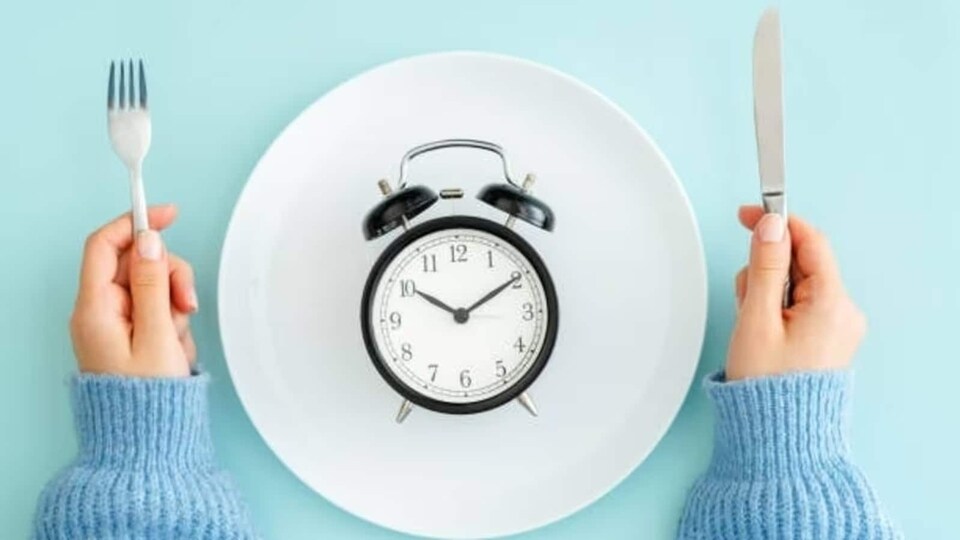
Cardiologist Dr Chopra highlights the benefits of OMAD, including improved gut health, fat burning, and longevity. Though he recommends a modified approach.
Can eating less improve your health? There are several studies that prove that consuming fewer calories may improve health span, influence biological pathways for healthy ageing, and improve mental health, sleep, and muscle function.
But how does it slow down ageing and rewire our biology for longevity? In a September 30 Instagram post, Dr Alok Chopra, cardiologist and functional medicine expert, shed light on the same and introduced the concept of OMAD, which means one meal a day. He claimed that OMAD can actually rebuild your gut, stop bad bacteria, and even trigger stem cell repair.
What is OMAD, and how does it help?
Explaining the concept of one meal a day (OMAD) and how it works, Dr Chopra wrote, “Want to slow down ageing? Try eating less often. OMAD is not just a diet, it’s a lifestyle that rewires your biology for longevity.” He revealed that in OMAD, one fasts for 20 to 22 hours every other day.
- Time-restricted eating, defined by fasting hours
- Popular: 18:6, 20:4, OMAD (18-23 hours fast)
- One meal sitting vs snacks
- Different from intermittent fasting > 24 hours
- May aid weight loss, but not necessarily
Citing a 2018 study from MIT, Dr Chopra revealed that the research found that a 24-hour fast boosts stem cell production in the gut, repairing your digestive lining. Moreover, in a fasted state, sugar-hungry bad bacteria get starved out, giving your good bacteria a chance to thrive.
A better alternative
However, Dr Chopra stated that true OMAD can be hard on digestion because cramming all the calories at once can spike the protein stress pathway and cause inflammation.
Therefore, he prefers an almost OMAD; ‘strong fast, smart feast.’ How to practice it? He explained, “The same 20 to 22-hour fast, but I eat across 2 to 4 hours.”
- Morning intake: tea/coffee, lots of water (excess hydration), and lime water with a pinch of sea salt for electrolytes.
- Transition meal: tomato arugula soup.
- Main meal: 2 poached eggs, broccoli, mushroom toast, sesame seeds, avocado, and toasted cashews.
- Snack: A strawberry spirulina smoothie is good.
“On non-fasting days, I hydrate, get electrolytes, move my body, and add MCT oil, which stands for medium-chain triglycerides,” the cardiologist added.
The benefits
According to the cardiologist, OMAD supports:
- steady fat burning
- nutritional ketosis
- triggers your body's adaptive stress response
- more autophagy
- mitochondrial biogenesis
- better protein quality control
- less inflammation
- improved resilience
Who shouldn't practise OMAD?
According to the cardiologist, OMAD isn't for everyone. He advised, “Avoid it if you are pregnant, breastfeeding, or under 18, if you're underweight, recovering from illnesses or surgery, have an uncontrolled chronic disease, a history of eating disorders, or if you're taking medications that require food.”
Note to readers: This article is for informational purposes only and not a substitute for professional medical advice. Always seek the advice of your doctor with any questions about a medical condition.
This report is based on user-generated content from social media. HT.com has not independently verified the claims and does not endorse them.


Catch your daily dose of Fashion, Taylor Swift, Health, Festivals, Travel, Relationship, Recipe and all the other Latest Lifestyle News on Hindustan Times Website and APPs.


