
 E-Paper



Apollo cardiologist says pollution worsens health for children born with heart defects; suggests 5 ways to protect them
How does pollution impact children with heart defects? Learn 5 basic techniques to protect their health and improve air quality in your community.

 Prefer HTon Google


The air quality is getting worse in Delhi-NCR, becoming a growing concern year after year. Toxic air is a major cause of many illnesses and affects more than just lung health. Recent reports show that it can also harm children with heart problems. Each year, as smog increases and air quality declines, children become more vulnerable to its effects. Their developing bodies may be at risk for heart defects. This concern worsens because air pollution can harm their health and make them more sensitive to harmful particles such as PM2.5, nitrogen dioxide, and ozone.
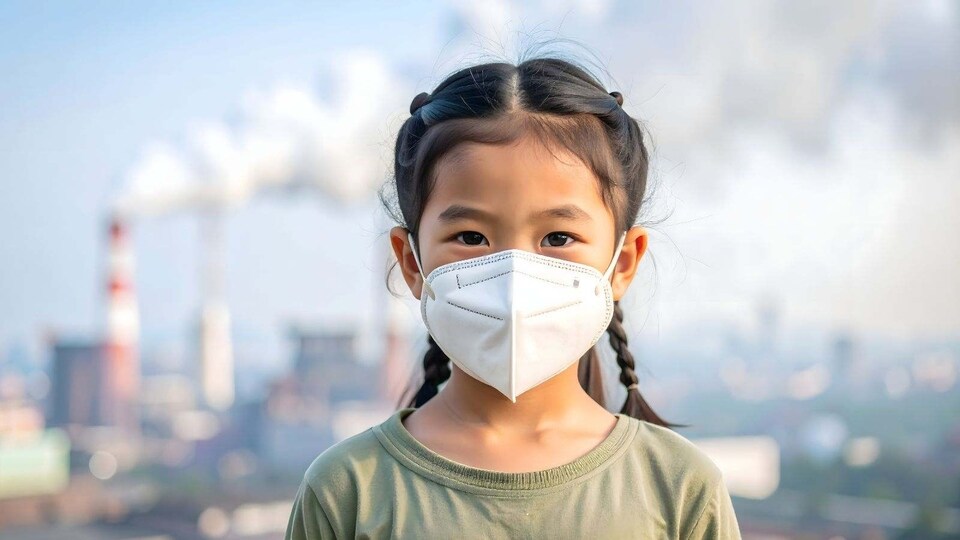

What are the side effects of pollution for children with heart defects?
When pollution increases, more young patients have trouble breathing or recovering from illnesses. Children with heart defects, whether they were born with holes in their hearts or had surgeries to fix these issues, already face challenges, Dr Vikas Kohli, Pediatric Cardiologist, Founder of the Child Heart Foundation (CHF), tells Health Shots. Their hearts need to work harder. When air quality gets worse, it puts even more pressure on these fragile systems.
Fine particulate matter (PM2.5) can enter the bloodstream and cause inflammation. This thickens the blood and irritates blood vessels, potentially reducing oxygen flow. "Healthy children can adapt to these environmental stressors, but this is not true for kids with heart problems", shares the pediatric cardiologist. For them, the stress from PM2.5 builds up slowly and can worsen their health over time.
What causes heart problems in children?
What can we do to help keep our kids safe from this danger? Here are five strategies that can really help.
1. Monitor air quality regularly
One important step parents can take is to stay informed about the air quality in their area. "Checking the Air Quality Index (AQI) is easy, as many apps and websites provide real-time updates", shares the doctor. If the AQI enters the red zone, children with heart defects should stay indoors.
Pollution levels are highest in the morning and evening when traffic is heaviest. To protect your child, consider changing your family's schedule during these times. You can delay outdoor play or adjust school drop-off times to help reduce their exposure to harmful pollutants.
2. Make your home a sanctuary
Many parents mistakenly think their homes are free of pollution. But indoor air pollution can be just as harmful. Daily activities like cooking, burning incense, or even dust from carpets can make the air unhealthy. To keep your home safe, follow cardiologist's advice: "ensure it's well-ventilated and close it off during periods of high outdoor pollution."
Simple habits can improve your home's air quality. Use exhaust fans when cooking, dust and vacuum regularly, and avoid burning materials indoors to keep your space clean. "Consider installing HEPA-filtered air purifiers, especially if you live in a polluted area", shares the expert. Reports show that children who sleep in cleaner rooms wake up with better oxygen levels, leading to healthier mornings.
3. Emphasise regular check-ups
In a world where pollution harms health, regular check-ups are important. Many families do not realise how crucial these visits are during months with high pollution levels. Even small drops in oxygen levels can put extra strain on a child’s heart, often without showing apparent symptoms.
The expert recommends that "parents regularly check their child’s oxygen levels, blood pressure, and heart rhythm". Many parents now use pulse oximeters at home to monitor oxygen levels. If the readings drop, it’s important to contact a healthcare provider quickly to prevent problems. Also, scheduling check-ups during the smog season can help doctors adjust treatment plans promptly. Remember, it’s easier to prevent issues than to recover from them.
4. Boost immunity to guard against infections
Lung health and heart function are closely connected, but this link is often ignored. Children with heart defects are at a greater risk for serious problems from respiratory infections, especially when the air quality is poor. "During periods of pollution, even a slight cough can develop into a severe chest infection, which may lead to hospitalisation", shares the expert.
Choose warm water instead of cold drinks, eat balanced meals with plenty of vitamins, especially vitamin C, and make sure to get enough rest. These simple choices can help boost your child's immune system and provide protection against common health challenges.
5. Advocate for cleaner communities
While people should take precautions, community efforts can improve air quality. Parents of children with heart conditions can play a key role in pushing for cleaner environments. "You can help by joining or starting neighbourhood campaigns to reduce pollution", shares Dr Kohli. Consider initiatives like tree-planting, carpooling, and lobbying against harmful practices such as burning waste. These actions can make a big difference in your community.
Schools have an important role in helping children deal with air pollution. They can adjust schedules to keep kids indoors when the air quality is poor. Schools can also hold workshops to teach everyone about pollution and its health effects.
(Note to readers: This article is for informational purposes only and not a substitute for professional medical advice. Always seek the advice of your doctor with any questions about a medical condition.)

Catch your daily dose of Fashion, Taylor Swift, Health, Festivals, Travel, Relationship, Recipe and all the other Latest Lifestyle News on Hindustan Times Website and APPs.


